
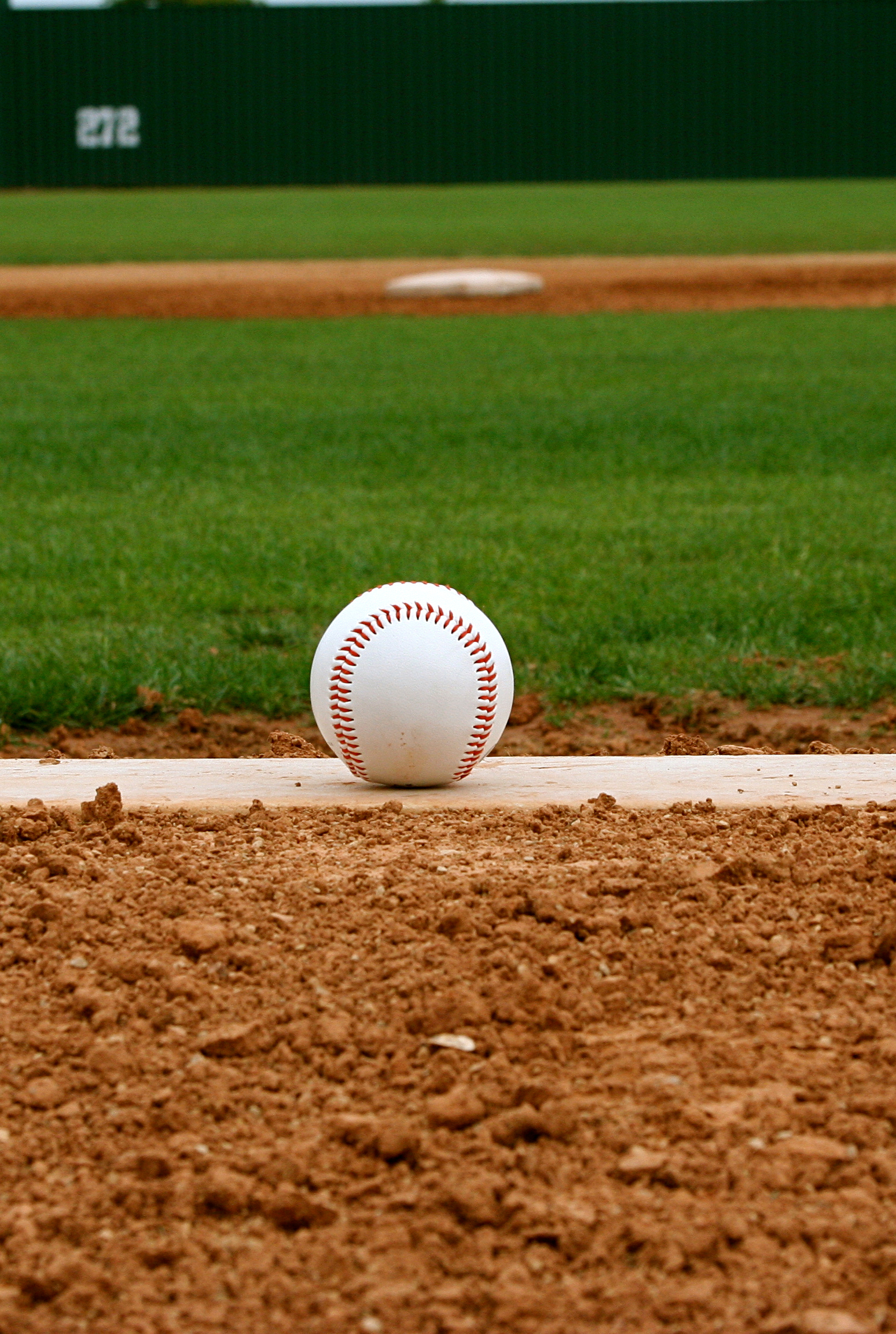
Image Source: www.todayifoundout.com
Why Is There A Pitcher’s Mound In Baseball?
The pitcher’s mound exists in baseball to provide a raised surface for the pitcher, ensuring a consistent baseball pitching distance from the mound to home plate and to offer a strategic advantage to the pitcher. This elevated platform, often referred to as the pitcher’s box in historical contexts, is a fundamental element that shapes the dynamics of the game.
Baseball’s journey from its informal origins to the highly structured sport it is today is a fascinating narrative, and the evolution of the pitcher’s mound is a key chapter in that story. It’s not merely a dirt hill; it’s a carefully designed feature that impacts everything from pitching mechanics to overall baseball game strategy, ultimately contributing to fairness in baseball. Let’s delve into the reasons behind its existence and how it has shaped the game.
The Genesis of the Pitcher’s Mound: Early Baseball and the Need for Structure
In the earliest days of baseball, before the mound as we know it, pitching was a vastly different affair. The pitcher often stood on the same level as the batter, and the baseball pitching distance could even vary. This often led to situations where the pitcher had a considerable advantage, throwing underhand from very close distances.
- Early Rules: Initial rules were quite loose. Pitchers could throw underhand, overhand, or even bounce the ball before it reached the batter. The baseball rule evolution was a slow but steady process of bringing order to chaos.
- The Need for Consistency: As the game gained popularity, the inconsistency in pitching distances and styles became a point of contention. Spectators and players alike desired a more predictable and standardized game. The idea of a designated pitching spot began to take shape.
- The First Raised Platform: While the exact origin of the first elevated pitching spot is debated, the concept of giving the pitcher a slight advantage in terms of trajectory and angle began to emerge. Early accounts mention pitchers standing on a plank or a small mound of dirt.
The Mound’s Purpose: Elevating the Game
The primary reasons for establishing and maintaining the pitcher’s mound revolve around creating a more balanced contest between pitcher and batter.
Enhancing the Pitcher’s Advantage
The elevation of the mound provides the pitcher with several key advantages:
- Angular Velocity: The raised position allows the pitcher to generate more downward velocity on the ball. This creates a more challenging trajectory for the batter to hit effectively. Imagine dropping a ball from a height versus rolling it; the dropped ball picks up speed and angle.
- Visual Deception: The mound helps conceal the pitcher’s release point for a fraction longer. This slight delay in a batter’s ability to identify the pitch type and location can be crucial.
- Psychological Edge: Standing on a raised platform inherently gives the pitcher a commanding presence on the field, contributing to their confidence and mental approach to the game.
Creating a Batter’s Disadvantage (A Necessary One)
Conversely, the mound intentionally introduces a challenge for the batter, fostering a more dynamic game:
- Angle of Attack: The elevated release point forces the batter to adjust their swing. They must hit “up” on the ball to get it into the air effectively, rather than simply swinging horizontally.
- Perception of Speed: The downward angle can make the ball appear to travel faster to the batter than it actually is.
- Strategic Hitting: Batters must anticipate the pitch, the spin, and the angle of delivery from the mound. This requires skill, timing, and keen observation.
The History of the Pitcher’s Mound: A Timeline of Change
The baseball history surrounding the pitcher’s mound is one of gradual refinement and adjustment. The rules and dimensions have been tweaked over time to maintain that delicate balance.
- 1880s: The First Formal Regulations: In the 1880s, significant changes occurred. The pitching distance was standardized, and rules regarding pitching styles evolved. The concept of a raised pitching surface began to be codified. Initially, pitchers were allowed to pitch from as far back as 60 feet 6 inches, but the mound itself was not yet the consistent structure we see today.
- 1893: The Modern Distance and Mound Height Established: A pivotal year in the mound’s history was 1893. The National League officially established the baseball pitching distance at 60 feet 6 inches from the front of home plate to the front of the pitcher’s rubber. Crucially, they also mandated a specific pitching mound height. This standardization was a major step towards creating a more equitable game.
- Initial Mound Height: The initial mandated height was 10 inches. This height was chosen to provide the pitcher with a noticeable advantage without making it impossible for the batter.
- Early 20th Century: Refinements and Adjustments: While the fundamental distance and height were set, minor adjustments continued. The shape and slope of the mound were also subject to interpretation and groundskeeping practices. The focus remained on ensuring that the mound didn’t become so steep or so flat that it disproportionately favored one aspect of the game.
- Mid-20th Century to Present: The core dimensions of the pitcher’s mound have remained remarkably consistent since the early 20th century. While there might be slight variations in how groundskeepers shape and maintain the surface, the fundamental 60 feet 6 inches distance and the 10-inch height (measured from the pitching rubber to home plate) are enshrined in the rules.
Key Milestones in Pitcher’s Mound Evolution
| Year | Key Development | Impact on the Game |
|---|---|---|
| Pre-1880s | No standardized mound; pitchers often on same level. | Inconsistent pitching; potential for significant pitcher advantage. |
| 1880s | Informal raised areas begin to appear; pitching distances start to standardize. | Early steps towards more structured pitching; increased focus on pitcher’s performance. |
| 1893 | Baseball pitching distance set at 60′ 6″; pitching mound height mandated at 10 inches. | Foundation of modern pitching mechanics and game balance laid. |
| Early 1900s | Refinements in mound shaping and slope. | Minor adjustments to enhance pitcher’s advantage without undue batter’s disadvantage. |
| Mid-1900s-Present | Consistent adherence to established dimensions. | Stability in the core mechanics of the game, allowing for strategic development. |
The Mechanics of the Mound: How It Influences Pitching
The pitcher’s mound is not just a passive elevation; it actively influences how pitchers deliver the ball.
Ground Force and Momentum
- Stride Length: The mound allows pitchers to take a longer stride towards home plate. This increases momentum and the force they can transfer into the pitch.
- Push-off: The raised surface provides a firm point from which the pitcher can push off with their back leg. This powerful push-off is crucial for generating velocity.
- Body Alignment: The slope of the mound helps pitchers maintain proper body alignment as they release the ball, allowing for more efficient transfer of energy.
Pitching Styles and Adaptation
Different pitching styles have evolved in conjunction with the mound:
- Overhand Pitching: The mound is ideal for overhand pitchers who rely on downward angle and velocity.
- Sidearm and Submarine Pitching: While these styles might seem counterintuitive to a raised mound, pitchers using them also benefit from the consistent starting point and the ability to generate spin and deception. They might adjust their body angle relative to the mound to achieve their desired release.
The Role of the Pitching Rubber
The pitching rubber, a rectangular white slab embedded into the mound, is the precise point from which the pitcher must release the ball. Its placement at the very front of the mound dictates the official baseball pitching distance.
The Mound in Modern Baseball Strategy
The pitcher’s mound remains a critical element in baseball game strategy. Managers and players consider its characteristics when making decisions.
- Pitcher Fatigue: Pitchers often exert maximum effort from the mound. Managing a pitcher’s workload and recognizing fatigue are essential to prevent injury and maintain performance.
- Pitcher vs. Batter Matchups: The mound’s height and slope can subtly influence how effective a particular pitcher is against certain batters. A pitcher who excels at throwing pitches that break downwards might be particularly effective against batters who struggle with high pitches.
- Defensive Positioning: While not directly related to the mound’s structure, the presence of the mound means the pitcher is a central figure on the field. Defensive players often adjust their positioning based on the pitcher’s tendencies and the game situation.
Fairness in Baseball: The Mound as a Regulator
The concept of fairness in baseball is heavily reliant on the standardization provided by the pitcher’s mound.
- Level Playing Field: By setting a consistent distance and elevation, the mound ensures that all pitchers are operating under similar conditions. This prevents any inherent advantage or disadvantage based solely on the pitching area.
- Batter’s Opportunity: While the mound provides a pitcher’s advantage, it is carefully calibrated to still give the batter a realistic chance to succeed. It’s a delicate balance that allows for exciting offensive plays and defensive gems.
- Historical Context of Fairness: Early baseball was often criticized for its lack of standardization. The introduction of the mound and the fixed pitching distance were significant advancements in making the game more equitable and, therefore, more appealing to a wider audience.
Frequently Asked Questions About the Pitcher’s Mound
How tall is a pitcher’s mound?
The pitching mound height is mandated by rule to be 10 inches higher than home plate. This is measured from the surface of the pitcher’s rubber to the level of home plate.
What is the official baseball pitching distance?
The official baseball pitching distance from the front edge of the pitcher’s rubber to the rear point of home plate is 60 feet 6 inches.
Why is the mound raised?
The mound is raised to provide the pitcher with a better angle to throw the ball towards home plate, increasing velocity and creating a more challenging trajectory for the batter. It’s a key element in creating a balanced contest.
Has the pitcher’s mound always been this way?
No, the baseball rule evolution has seen changes to the pitching area. Early baseball had no standardized mound, and the baseball pitching distance and pitching style varied greatly. The modern mound and distance were largely established in the late 19th century.
Does the pitcher’s mound affect different pitching styles differently?
Yes, while the mound is designed for a standard overhand pitch, pitchers with different styles (sidearm, submarine) adapt their mechanics to utilize the mound for their unique approach. The consistent starting point is beneficial for all pitching types.
Can a pitcher stand on the dirt part of the mound or only on the rubber?
A pitcher must release the ball from within the pitcher’s box, which includes the mound. However, the official pitching distance is measured from the front edge of the pitching rubber. They can utilize the slope and surrounding dirt for their delivery.
What is the pitcher’s box?
The pitcher’s box refers to the designated area from which the pitcher must throw the ball. In modern baseball, this is essentially the mound itself, with the pitching rubber at its apex. Historically, it was a more clearly defined rectangular area.
Is the pitcher’s mound the same in all leagues?
While the professional and generally amateur levels adhere to the 60 feet 6 inches distance and the 10-inch height, there can be variations in youth leagues or other informal baseball settings to accommodate different age groups and skill levels. However, the core concept remains the same.
How does the mound contribute to baseball strategy?
The mound influences pitching mechanics, allows for greater velocity, and affects how pitchers and batters approach each at-bat. It’s a central element that strategists consider when planning games, managing bullpens, and making player evaluations.
What are the advantages of the pitcher’s mound for the pitcher?
The advantages include increased velocity due to stride length and push-off, better downward angle on pitches, and a visual advantage that can help conceal the release point. It also provides a psychological edge.
What are the disadvantages for the batter caused by the mound?
The disadvantages for the batter include the increased downward angle of the pitch, which requires a different swing path, and the potential perception of increased pitch speed. It requires precise timing and a good eye.
What is the significance of the mound in terms of fairness in baseball?
The mound is crucial for fairness in baseball because it standardizes the pitching area, ensuring a consistent baseball pitching distance and elevation for all pitchers. This creates a level playing field for both the pitcher and the batter.
In conclusion, the pitcher’s mound is far more than just a dirt hill. It’s a product of baseball history, a tool for strategic baseball game strategy, and a cornerstone of fairness in baseball. Its carefully determined dimensions, particularly the baseball pitching distance and pitching mound height, are designed to create a challenging yet balanced contest, showcasing the intricate dance between pitcher and batter that makes baseball so compelling. The ongoing baseball rule evolution has refined this crucial element, ensuring that the game continues to be a test of skill, strategy, and athleticism.