
Can you try out for minor league baseball if you’re not drafted? Yes, players who are not drafted can still try out for minor league baseball through open tryouts or by getting an invitation from a scout. This article will guide you through the process of getting noticed and making your mark in professional baseball.
Getting a shot at minor league baseball is a dream for many aspiring players. It’s a stepping stone to the big leagues, a place where raw baseball talent is honed and developed. But how do you actually get there? It starts with knowing the system and putting yourself in the right place at the right time. Many players think the only path is through the amateur draft, but that’s not the case. There are other avenues, and understanding them is key to your success. This guide will walk you through the essential steps, from showcasing your skills to navigating the world of baseball scouting and player development.
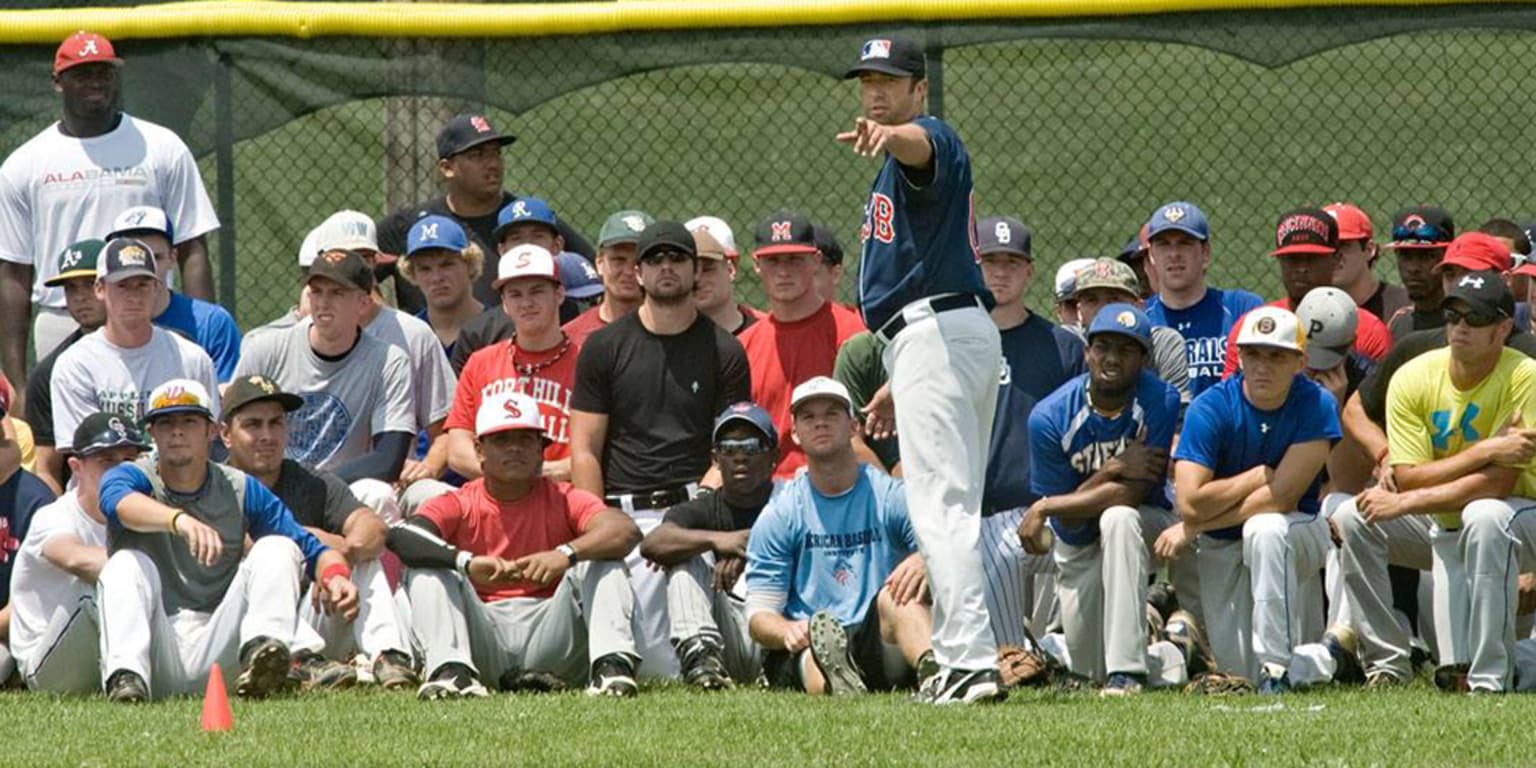
Image Source: img.mlbstatic.com
The Path to Professional Baseball: Beyond the Draft
While the Major League Baseball (MLB) draft is a primary way players enter professional baseball, it’s not the only route. Many talented players emerge from independent leagues, college programs not heavily scouted, or even directly from high school without being drafted. These players often get their opportunities through baseball tryouts, open showcases, or by catching the eye of a scout who is constantly looking for the next big thing. The journey might be different, but the goal remains the same: to impress and earn a baseball contract.
Getting Your Name Out There: Early Steps
Before you even think about a formal tryout, you need to make sure people know you exist and that you have the skills to back it up. This involves a strategic approach to showcasing your abilities.
High School and Amateur Baseball
If you’re still in high school or playing in amateur leagues, your performance on the field is your primary calling card.
- Consistent Performance: Dominating at your current level is the first step. Scouts look for consistent results, not just a few flashy plays. This means showing up every game and performing well.
- High School Baseball: Play for a strong high school team. Good coaching and a competitive schedule expose you to more scouts. Make sure your coaches are aware of your aspirations.
- Amateur Leagues and Travel Ball: Joining reputable travel ball teams or summer collegiate leagues can significantly increase your exposure. These teams often play in tournaments where scouts are present.
- Statistics and Video: Keep track of your stats and consider creating highlight reels of your best plays. Good video can be a powerful tool when shared with coaches and scouts.
College Baseball
Playing college baseball offers a structured environment with built-in exposure to scouts.
- Choose the Right Program: Not all college programs have the same level of scouting attention. Research schools that have a history of producing professional players or that play in competitive conferences.
- Excel in Conference Play: Conference games are often heavily scouted. Performing well against top competition is crucial.
- Summer Ball: Playing in prestigious summer collegiate leagues (like the Cape Cod League) is a common path for many drafted and undrafted players to get noticed by pro scouts.
Showcasing Your Skills: Where to Be Seen
Showcase baseball events and baseball camps are specifically designed to put players in front of scouts and recruiters. These are critical opportunities to make a strong impression.
Baseball Camps and Clinics
- Purpose: These events focus on skill development and often include game-like situations. Many colleges and even some professional organizations host camps.
- Benefits: You get direct instruction from experienced coaches and the chance to perform in front of evaluators.
- Choosing the Right Camp: Look for camps with a reputation for attracting scouts. Some are more geared towards development, while others are explicitly designed for exposure.
Showcase Events
- Purpose: Showcases are all about getting seen. They are structured events where players demonstrate their abilities in front of a panel of scouts and recruiters.
- What Scouts Look For: Scouts evaluate various aspects:
- Raw Athleticism: Speed, agility, arm strength.
- Hitting: Power, bat speed, pitch recognition, plate discipline.
- Fielding: Glove work, footwork, range, arm accuracy.
- Pitching: Velocity, command, secondary pitches, mechanics, composure.
- Baseball IQ: Game awareness, decision-making, instincts.
- Preparation is Key: Be in peak physical condition. Dress professionally (team uniform if applicable, clean and neat). Bring your own equipment.
- Making a Good Impression: Beyond your skills, scouts notice your attitude, coachability, and how you interact with others. A positive demeanor goes a long way.
The Open Tryout: Your Chance to Shine
Many minor league baseball teams, especially those not affiliated with MLB organizations or in independent leagues, hold open baseball tryouts. These are often your best bet if you haven’t been drafted or invited to a specific team’s camp.
What to Expect at an Open Tryout
- Large Numbers: Be prepared to face a lot of competition. Hundreds, sometimes thousands, of players show up hoping to get noticed.
- Multiple Rounds: Tryouts usually consist of several rounds. You might be evaluated in positional drills, batting practice, and simulated games.
- Strict Time Limits: Each player gets a limited amount of time to showcase their skills. You need to make every second count.
- Focus on Fundamentals: Scouts at open tryouts are often looking for raw talent and good fundamentals. They want to see if you have the basic building blocks of a professional player.
How to Stand Out
- Arrive Early: Get there well before the scheduled start time. This shows you are serious and organized.
- Be Prepared: Have your equipment in order, including a backup glove or bat if possible. Bring water and snacks.
- Warm-Up Effectively: Don’t just wait around. Do your own warm-ups to be ready to perform at your best from the first drill.
- Show Your Best Skills: Focus on what you do best. If you’re a hitter, make solid contact. If you’re a pitcher, throw strikes with good velocity. If you’re a fielder, make clean plays.
- Hustle and Effort: Every drill matters. Show maximum effort on every play, run hard, and communicate clearly.
- Be Coachable: Listen to the instructions given by the evaluators. Show that you can take direction and make adjustments.
- Have a Professional Demeanor: Avoid complaining, showing frustration, or engaging in negative behavior. Keep a positive attitude.
The Role of Baseball Scouting
Baseball scouting is the engine that drives talent identification in professional baseball. Scouts are the eyes and ears of the organizations, constantly evaluating players at all levels.
What Scouts Look For
Scouts use a sophisticated system to evaluate players, often referred to as the “5-Tool Player” concept, though this is a simplified view. They look for a combination of skills that indicate a player’s potential to succeed at the highest level.
- Hitting: The ability to hit for average and power. This includes bat speed, pitch recognition, and the ability to make adjustments.
- Power: The ability to hit the ball with authority and drive it for extra bases.
- Running: Speed on the bases and in the outfield. This translates to stolen bases, extra bases on hits, and defensive range.
- Fielding: The ability to make plays consistently and with good range. This includes glove work, footwork, and throwing accuracy.
- Arm Strength: The ability to throw the ball with velocity and accuracy from various positions.
Beyond these core tools, scouts also assess:
- Intangibles: Work ethic, competitiveness, leadership, mental toughness, and coachability.
- Baseball IQ: Awareness of the game, decision-making, understanding situations.
- Physical Tools: Body type, strength, agility, and projected physical development.
How to Catch a Scout’s Eye
- Be Where They Are: Play in games and tournaments where scouts are known to be present. High school, college, summer leagues, and specific showcase events are key.
- Be Consistent: Scouts see many players. Consistent performance over time is more valuable than a single great game.
- Show Improvement: Scouts track players over seasons. Demonstrating growth in your skills and physical development is a positive sign.
- Have Good Numbers: While not everything, strong statistics are a direct indicator of performance.
- Have a Good Reputation: Coaches, teammates, and even past scouts can provide feedback on a player’s character and work ethic.
- Get Your Information Out: Ensure your coach or personal contacts have your updated stats, contact information, and highlight videos ready to share with scouts.
Player Development: What Happens After You’re Noticed
If a scout or organization shows interest, the next phase is player development. This is where your journey really begins to take shape.
Getting a Baseball Contract
- The Offer: If you impress enough, you might receive an offer for a baseball contract. This is a formal agreement outlining your terms of employment with the team.
- Signing Bonuses and Salaries: Contracts can vary significantly. Younger players might receive signing bonuses, while established players have salaries.
- Physicals and Paperwork: Before signing, you’ll undergo a physical examination to ensure you’re healthy enough to play. There will also be legal paperwork to complete.
Minor League Systems
- Affiliated Ball: Most minor league players are part of MLB organizations. They play in leagues affiliated with MLB teams (e.g., Triple-A, Double-A, High-A, Low-A, Rookie League).
- Independent Leagues: These leagues are not affiliated with MLB. They offer opportunities for players to continue their careers and get noticed by MLB scouts. Some independent leagues have very high levels of competition.
- Your Development Path: Once signed, you’ll be assigned to a team within the organization. Your role will be determined by your current skill level and potential.
The Development Process
- Coaching and Training: Minor league teams have dedicated coaches, trainers, and conditioning staff to help you improve.
- Game Experience: You’ll get extensive game experience, facing different types of competition and learning to adapt.
- Skill Refinement: The focus is on refining your existing skills and developing new ones. This might include working on your swing, improving your pitching mechanics, or enhancing your defensive abilities.
- Physical Conditioning: Maintaining peak physical condition is paramount. You’ll follow rigorous training programs.
- Mental Toughness: The minor league grind is tough. You’ll learn to deal with adversity, travel, and the pressure to perform.
Essential Gear and Preparation
Proper preparation extends to your equipment and your physical and mental readiness.
What to Bring to a Tryout
- Baseball Gear:
- Glove (a spare is a good idea)
- Batting gloves
- Helmet (if required or preferred)
- Cleats (properly worn in)
- Baseball pants and a clean, tucked-in jersey (neutral colors are often best if you don’t have a team to represent)
- Catcher’s gear (if trying out as a catcher)
- Personal Items:
- Plenty of water
- Snacks
- Sunscreen
- Hat
- Towel
- Any personal training aids you prefer for warm-up.
- A notebook and pen to jot down notes or contact information.
- A copy of your stats or highlight reel link on a phone or tablet (if appropriate).
Physical and Mental Preparation
- Physical Conditioning:
- Strength Training: Focus on compound movements that build overall strength.
- Cardiovascular Fitness: Maintain good stamina for long games and extended seasons.
- Flexibility and Mobility: Prevent injuries with regular stretching and mobility exercises.
- Sport-Specific Drills: Practice the movements specific to your position.
- Mental Preparation:
- Visualize Success: Imagine yourself performing well in drills and games.
- Stay Positive: A positive attitude is infectious and helps you perform better.
- Focus on the Process: Don’t get overwhelmed by the outcome. Concentrate on executing each drill to the best of your ability.
- Learn from Mistakes: If you make an error, don’t dwell on it. Learn from it and move on to the next play.
Frequently Asked Questions (FAQ)
Q1: How old do you have to be to try out for minor league baseball?
A1: Generally, players must be at least 16 years old to sign a professional contract, but many tryouts are open to players 18 and older, especially those coming from college or independent leagues. Age requirements can vary by league and team.
Q2: What is the best way to get noticed by scouts?
A2: Consistent performance in high-level amateur leagues, college baseball, and reputable summer collegiate leagues, along with participating in well-attended showcase events, are the best ways to get noticed. Creating highlight videos and ensuring your coaches are in contact with scouts also helps.
Q3: Can I try out for a specific MLB team’s minor league system?
A3: Yes, many MLB organizations hold open tryouts for their minor league affiliates. You can check the team’s official website for announcements about upcoming tryout dates and locations. However, being invited directly by a scout is often a more targeted way to get a look.
Q4: What if I’m a pitcher? What do scouts look for?
A4: For pitchers, scouts primarily look at velocity, command (ability to throw strikes in the zone), secondary pitches (curveball, changeup, etc.), mechanics, stamina, and poise. They also evaluate your ability to get outs and your overall delivery.
Q5: Is there a difference between MLB-affiliated minor leagues and independent leagues?
A5: Yes. MLB-affiliated minor leagues are directly linked to MLB teams and serve as a pathway to the majors. Independent leagues are not affiliated with MLB, but they offer competitive baseball and can still be a place where MLB scouts find talent.
Q6: What are the chances of getting a baseball contract from a tryout?
A6: The chances are generally low due to the sheer number of players who attend tryouts. However, by preparing thoroughly and performing at your best, you maximize your opportunities. Focus on displaying your best skills and showing your potential.
Q7: How important is a player’s background in amateur baseball or college baseball?
A7: A strong background in amateur baseball or college baseball is very important. It shows a proven track record of competing and developing in structured environments. Scouts often look at a player’s history to gauge their potential and ability to handle the rigors of professional baseball.
By focusing on consistent performance, strategic showcasing, and diligent preparation, aspiring players can significantly increase their chances of getting noticed and earning a baseball contract in minor league baseball. The journey requires dedication, but the opportunity to pursue a career in professional baseball is within reach for those who commit to the process.