
So, can you try out for minor league baseball? Yes, you absolutely can try out for minor league baseball. While the path might seem exclusive, there are defined ways aspiring players can get noticed and earn a chance to play professionally. This guide will break down exactly how to pursue that dream, from open tryouts to getting your name on the radar of professional baseball scouting.
The journey to professional baseball is a marathon, not a sprint. It requires talent, dedication, and a strategic approach to getting seen. Many aspiring players dream of hearing their name called in the minor league baseball draft or earning an invitation to a professional team’s spring training. But how does one get to that point? It all starts with understanding the landscape and actively pursuing opportunities. This comprehensive guide will equip you with the knowledge and actionable steps to navigate the world of baseball recruitment and showcase your abilities to those who matter most.
Image Source: img.mlbstatic.com
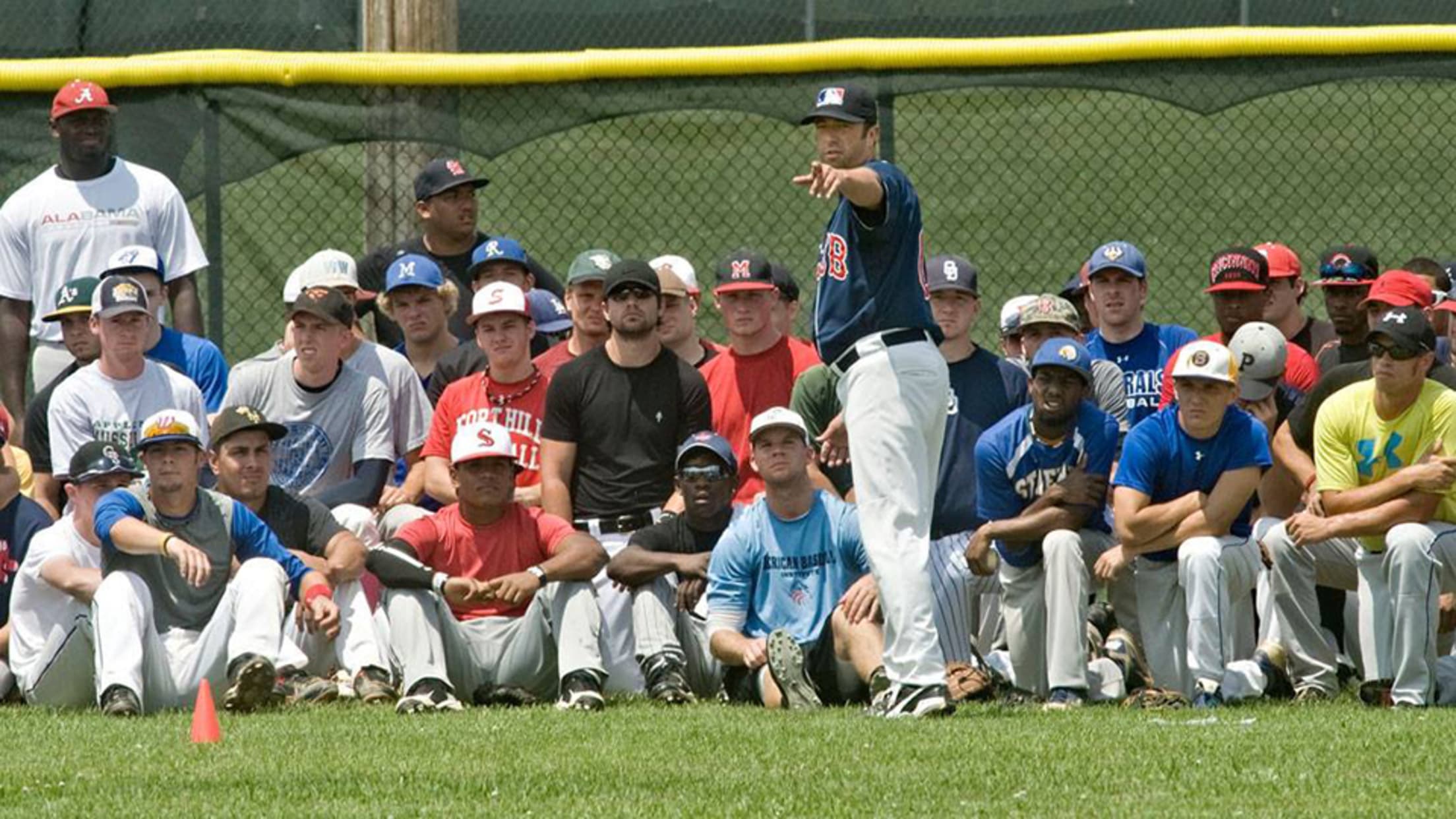
The Path to the Pros: From Amateur to Pro
The road to professional baseball is paved with hard work and consistent performance. It’s a journey that typically begins at the amateur level, whether that’s high school, college, or independent leagues. Baseball prospect evaluation is a continuous process, and scouts are always looking for the next wave of talent.
High School Baseball: Laying the Foundation
For many, high school is the first significant step in their baseball journey. Excelling here is crucial for building a reputation and attracting attention.
- Performance is Key: Consistently good hitting, fielding, pitching, and running speed are non-negotiable. Scouts look for well-rounded players.
- Travel Ball and Showcases: Participating in reputable travel ball programs and attending baseball showcases can significantly increase your visibility. These events are specifically designed to put players in front of college coaches and, in some cases, professional scouts.
- Academic Standing: Maintaining good grades is important, especially if you aim for college baseball, which often serves as a stepping stone to professional leagues.
College Baseball: The Major Stepping Stone
College baseball is a primary pipeline for the minor league baseball draft. Many players use college as a platform to further develop their skills and gain exposure.
- Division I, II, and III: Each division offers different levels of competition and exposure. Division I generally offers the most exposure to professional scouts.
- Summer Leagues: Playing in collegiate summer leagues (like the Cape Cod League) is highly recommended. These leagues feature top college talent and attract significant scouting attention.
- Development and Coaching: College programs provide structured coaching and resources for baseball player development, which is vital for refining skills and preparing for the professional game.
Independent Baseball: A Second Chance and Alternative Route
For players who might have been overlooked in the draft or are looking for another opportunity, independent leagues can be a viable path.
- Showcasing Talent: Independent leagues offer a platform to continue playing at a high level and showcase skills for affiliated scouts.
- Tryout Opportunities: Many independent league teams hold their own baseball tryouts, providing a direct entry point.
Getting Noticed: Strategies for Exposure
Simply being a good player isn’t always enough. You need to actively seek opportunities to be seen by the right people. Baseball recruitment often relies on a combination of performance and strategic self-promotion.
The Role of Baseball Showcases
Baseball showcases are events specifically organized to give players an audience with college coaches and professional scouts.
-
Types of Showcases:
- Regional Showcases: These are often run by scouting services or organizations and draw players from a specific geographic area.
- National Showcases: These events attract top talent from across the country and are heavily scouted.
- Team-Specific Showcases: Some professional organizations or their affiliates might host their own showcases.
-
Maximizing Showcase Performance:
- Be Prepared: Arrive early, have your equipment in order, and be mentally ready to compete.
- Focus on Fundamentals: Scouts are looking for solid mechanics and a good understanding of the game.
- Showcase Your Strengths: If you’re a power hitter, hit for power. If you’re a speedster, show off your speed.
- Get Your Information Out: Have a well-prepared player information sheet ready for scouts.
Baseball Academies and Training Centers
Investing in a good baseball academy can provide structured training, expert coaching, and often, connections to scouts and recruitment networks.
- Skill Development: Academies offer specialized training in hitting, pitching, fielding, and strength and conditioning.
- Exposure Opportunities: Many academies organize their own travel teams or participate in high-profile tournaments, increasing player visibility.
- Guidance: They can offer advice on the recruitment process and help players navigate the complexities of getting scouted.
The Power of Video
In today’s digital age, video is an invaluable tool for baseball recruitment.
- Highlight Reels: Create professional-looking highlight reels showcasing your best plays, at-bats, and pitching performances.
- Game Footage: Full game footage allows scouts to see how you perform in different situations and against various competition.
- Sharing: Share your videos with coaches, scouts, and on platforms where they are likely to be seen.
Direct Tryout Opportunities: Open Calls and Invites
While draft eligibility is a common route, direct baseball tryouts are also a significant way to get into minor league organizations.
Open Tryouts
Many affiliated minor league teams and some independent teams hold open tryouts each year. These are essentially free-agent tryouts where any player can show up and attempt to earn a contract or an invitation to spring training.
- When and Where: Open tryouts are typically held in the late winter or early spring, just before the minor league season begins. Team websites and local sports news are the best sources for information on dates and locations.
-
What to Expect:
- Large Numbers of Players: Be prepared to compete against a lot of talent.
- Evaluated on Specific Skills: You’ll likely go through drills for hitting, fielding, pitching (if applicable), and baserunning.
- Limited Opportunities: Not everyone who tries out will get an offer, but it’s a chance to be seen by the organization’s coaching and scouting staff.
-
Baseball Tryout Tips for Open Tryouts:
- Arrive Early: Beat the rush and get your name registered.
- Dress Professionally: Wear clean, well-fitting baseball attire.
- Bring Your Own Equipment: Ensure your gear is in good condition.
- Be Confident: Project a positive attitude, even if you’re nervous.
- Focus on Fundamentals: Execute the basics flawlessly.
- Be Coachable: Listen carefully to instructions from evaluators.
- Show Your Hustle: Give 100% on every play and drill.
Invitation-Only Workouts
Sometimes, teams will hold invitation-only workouts for players they have identified as potential prospects. This often stems from previous scouting efforts, attendance at showcases, or recommendations.
- Getting an Invitation: This usually comes through connections made at showcases, through a college coach or agent, or from a scout who has seen you play.
- Higher Level of Evaluation: These workouts are more in-depth and can include extended playing sessions or specific skill tests.
Understanding the Scouting Process
Professional baseball scouting is a meticulous and often lengthy process. Scouts are employed by Major League Baseball organizations to identify and evaluate talent.
What Scouts Look For: Beyond the Stat Sheet
While statistics are important, scouts are trained to look for much more. Baseball prospect evaluation involves assessing a player’s physical tools, mental makeup, and potential for growth.
-
The Five Tools: This is a common framework scouts use to evaluate players:
- Hitting: Ability to make contact and hit for average.
- Power: Ability to hit for extra bases and home runs.
- Running: Speed, both in terms of baserunning and fielding.
- Fielding: Ability to make plays defensively, including arm strength and accuracy.
- Arm: Strength and accuracy of a player’s throwing arm.
-
Intangibles: Scouts also assess qualities like:
- Baseball IQ: Understanding of the game, situational awareness.
- Work Ethic: Dedication to improvement.
- Competitiveness: Desire to win and perform under pressure.
- Coachability: Willingness to learn and adapt.
- Character: Integrity and maturity.
Baseball Scouting Reports
When a scout sees a player, they compile a detailed baseball scouting report. These reports are the primary way information about prospects is shared within an organization.
- Structure of a Report: A typical report includes:
- Player Information: Name, position, age, physical measurements.
- Performance Data: Statistics from games and workouts.
- Tool Grades: A numerical or rating scale for the five tools.
- Strengths and Weaknesses: A detailed breakdown of what the player does well and areas for improvement.
- Projected Outcome: What type of player the organization believes they can become (e.g., starter, role player, bust).
- Signability: Likelihood of the player signing if drafted or offered a contract.
The Draft Process: MLB’s Entry Point
The minor league baseball draft is the primary mechanism through which players transition from amateur to professional baseball in affiliated leagues.
- Eligibility: Generally, players are eligible for the draft after graduating high school or completing a certain amount of college. International players have their own signing periods.
- Pre-Draft Process: Scouts spend months evaluating potential draft picks, attending games, running workouts, and compiling reports.
- Signing Bonuses: Players who are drafted often receive signing bonuses, the amount of which depends on where they are drafted and their perceived talent.
Preparing for Your Baseball Tryout
Success at a tryout is about more than just natural talent; it’s also about preparation and presentation.
Physical Preparation
- Strength and Conditioning: Focus on a comprehensive program that builds strength, power, and endurance. Plyometrics and agility drills are crucial for improving quickness and explosiveness.
- Sport-Specific Drills: Practice the fundamental movements of baseball – throwing, catching, hitting, and running – regularly.
- Injury Prevention: Proper warm-ups, cool-downs, and stretching are vital to avoid injuries that could derail your chances.
Mental Preparation
- Visualization: Imagine yourself performing well in tryout situations.
- Confidence Building: Remind yourself of your past successes and your hard work.
- Handling Nerves: Develop strategies for managing performance anxiety, such as deep breathing exercises.
- Focus: Concentrate on the task at hand and don’t get distracted by other players or your own mistakes.
What to Bring to a Tryout
- Your Glove: A broken-in glove that you are comfortable with.
- Your Own Bat: If permitted (check the rules beforehand).
- Appropriate Baseball Attire: Clean, professional-looking uniform or baseball pants, jersey, and cleats.
- Water and Snacks: Stay hydrated and energized.
- Sunscreen and Hat: Protection from the elements.
- Personal Information Form: If you’ve received one beforehand, have it filled out and ready.
- Resume/Baseball Resume: A summary of your playing history, achievements, and contact information.
What Happens After the Tryout?
Even if you don’t get an immediate offer, your performance at a tryout can still be valuable.
Feedback and Follow-Up
- Request Feedback: If possible, politely ask for feedback on your performance. This can help you identify areas to improve.
- Stay in Touch: If you made a good impression but didn’t get an offer, consider sending a polite follow-up email thanking the evaluators for their time and reiterating your interest.
Continuous Improvement
- Analyze Your Performance: Reflect on what went well and what could have been better.
- Keep Training: Don’t stop working on your game. The next opportunity might be just around the corner.
- Seek Other Opportunities: Continue attending showcases, playing in leagues, and honing your skills. Baseball academies can be excellent resources for ongoing development.
Frequently Asked Questions (FAQ)
Q1: How old do you have to be to try out for minor league baseball?
A1: Players are typically eligible for the minor league draft and associated tryouts once they have graduated from high school or completed a certain period of college eligibility. There isn’t a strict minimum age for trying out for any professional baseball team, but affiliated minor league teams generally focus on players 18 years and older due to contract regulations and the demands of professional baseball. International players have different signing age regulations.
Q2: Do I need an agent to try out for minor league baseball?
A2: No, you do not need an agent to participate in open tryouts. However, if you are drafted or are negotiating a contract, having a reputable agent can be beneficial to ensure you get a fair deal and understand the complexities of professional contracts.
Q3: How often do minor league teams hold open tryouts?
A3: Most affiliated minor league teams hold open tryouts annually, usually in the late winter or early spring before their respective seasons begin. The exact timing and frequency can vary, so it’s essential to check the official websites of the teams you are interested in.
Q4: What is the difference between an open tryout and a showcase?
A4: An open tryout is a direct opportunity to impress a specific minor league team and potentially earn a contract or invitation. A showcase is typically a more general event designed to present players to a broader audience of college coaches and professional scouts from multiple organizations. While scouts attend showcases, the primary goal is exposure to a wider net of evaluators.
Q5: How important is a strong arm for scouts?
A5: A strong arm is a significant asset that scouts look for. It’s one of the key “tools” of the game. A strong, accurate arm is crucial for outfielders, infielders (especially shortstops and third basemen), and of course, pitchers. It allows them to make plays from further distances and with more velocity, which can be a game-changer.
Q6: Can I get scouted if I don’t play college baseball?
A6: Yes, absolutely. While college baseball is a common pathway, players from high school, independent leagues, or even strong amateur leagues can be scouted and drafted. Excelling and gaining exposure through showcases and strong performances in any competitive environment is key.
Q7: What should I do if I get rejected from a tryout?
A7: Rejection is a part of the process. Use it as motivation. Analyze your performance, seek constructive feedback if possible, and continue to work on your game. Look for other opportunities, such as more showcases or tryouts with different teams. Persistence is vital in pursuing a career in professional baseball.
The journey to minor league baseball is demanding, but with the right preparation, strategy, and unwavering dedication, you can significantly increase your chances of getting noticed and taking that crucial first step towards a professional career. Good luck!