
Can a baseball catcher call plays? Yes, a skilled baseball catcher can and often does call plays, guiding the pitcher on what pitch to throw and strategizing with infielders on defensive plays. The catcher is the quarterback of the baseball field, a crucial position that demands a unique blend of physical prowess, mental acuity, and leadership. This guide will delve deep into what it takes to excel as a catcher, from the fundamental baseball fundamentals to advanced baseball strategies.
Playing the catching position is one of the most physically and mentally demanding roles in baseball. It requires a deep understanding of the game, excellent communication skills, and unwavering resilience. If you’re looking to master this vital position, you’ve come to the right place.
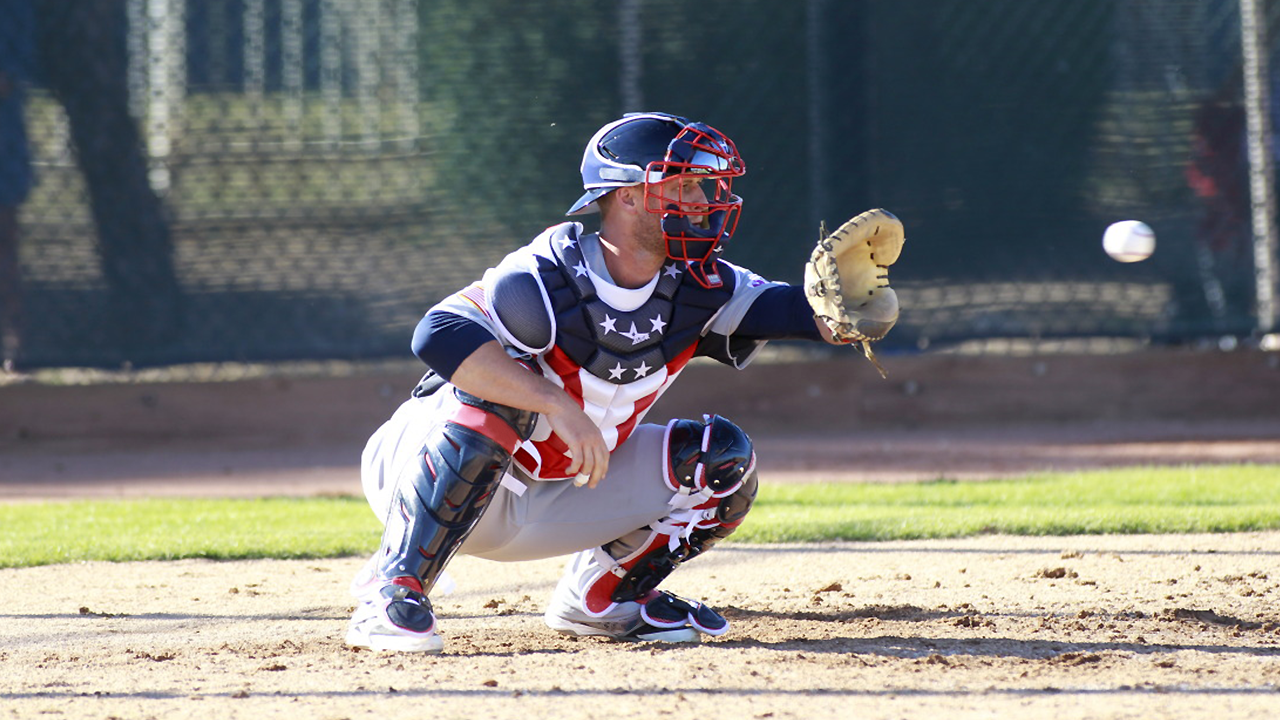
Image Source: res.cloudinary.com
The Catcher’s Toolkit: Essential Gear
Before you can even think about framing pitches or blocking errant throws, you need the right equipment. A catcher’s gear is specialized to protect them from high-speed pitches and foul tips.
Catcher’s Gear Breakdown:
- Helmet/Mask: This protects the face from pitched balls and batted balls. Look for a comfortable, well-fitting mask that offers good visibility.
- Chest Protector: Covers the torso, protecting against impact from pitches that get past the catcher.
- Shin Guards: Protect the knees, shins, and feet from foul balls and impacts.
- Catcher’s Mitt: This is a specialized, heavily padded baseball glove designed for receiving pitches. It’s larger and rounder than a standard fielder’s glove, with a deep pocket.
- Throat Protector: An attachment to the mask that further safeguards the throat.
- Cup: Essential for male players to protect the groin area.
- Catcher’s Leg Guards: These extend higher up the leg than standard shin guards for added protection.
Choosing the Right Baseball Glove
The baseball glove is your primary tool. A catcher’s mitt is different from other gloves. It’s designed for receiving fastballs, curveballs, and sliders thrown at high speeds.
- Size and Shape: Catcher’s mitts are typically between 32-34 inches in circumference. They have a rounded shape and a deep pocket to help secure the ball.
- Padding: The padding is crucial for shock absorption. A good mitt will feel substantial and protective.
- Break-in: Like any glove, a catcher’s mitt needs to be broken in properly. This involves conditioning the leather and working the pocket to create a comfortable, reliable receiving surface.
Mastering the Catcher’s Stance
Your catcher’s stance is your foundation. A good stance allows you to be agile, receive pitches effectively, and quickly transition to throwing.
Key Elements of a Solid Catcher’s Stance:
- Feet Placement:
- Feet should be shoulder-width apart or slightly wider.
- Weight should be balanced, with the balls of your feet on the ground.
- Knees should be bent, creating a low center of gravity.
- Body Posture:
- Keep your back relatively straight, not hunched over.
- Your chest should be up, but not rigid.
- Your arms should be relaxed, with your glove out in front of you.
- Glove Position:
- The glove should be presented to the pitcher with the pocket facing upwards.
- Keep your glove hand relaxed, ready to absorb the impact of the ball.
- The mitt should be positioned to create a target for the pitcher.
- Head and Eyes:
- Your head should be up, with your eyes focused on the pitcher.
- Maintain eye contact throughout the pitch delivery.
- Your chin should be tucked slightly, protecting your throat.
Variations in Stance:
- “Crouch” Stance: The most common stance, with knees bent and hips low. This allows for quick movement and stability.
- “Leg Kick” Stance: Some catchers incorporate a slight leg kick as part of their presentation. This can be used to disguise their receiving position or to generate momentum for a throw. However, it can also affect balance and reaction time if not executed properly.
- “Kneeling” Stance: Less common, this stance involves one knee on the ground. It can be used for specific situations, but it limits mobility.
Receiving Pitches: The Art of Framing
Receiving pitches is more than just catching the ball. Framing is the art of making a pitch look like a strike, even if it’s on the edge of the zone. This can significantly impact the game by earning you strikes and saving your pitcher from unnecessary walks.
Techniques for Effective Pitch Receiving:
- Soft Hands: The key to framing is “soft hands.” This means using your muscles to absorb the impact of the ball, rather than letting the glove be a rigid barrier. This prevents the ball from popping out of the mitt.
- Presenting the Target: Always present a clear, consistent target to your pitcher. This usually involves having your glove in the center of the strike zone.
- Moving with the Pitch: As the pitch comes in, subtly move your glove to make the pitch appear to be in the zone.
- Low Pitches: Let the ball sink into your glove. A slight downward movement of the glove can sell a borderline low pitch.
- High Pitches: Catch the ball cleanly, preventing any upward movement of the glove.
- Outside Pitches: Move the glove slightly towards the center of the plate.
- Inside Pitches: Move the glove slightly towards the center of the plate.
- Blocking Pitches: This is a critical defensive skill. You need to be able to stop pitches in the dirt or that are fouled off.
Blocking Pitches Effectively:
- Get Your Body in Front: Your primary goal is to get your body between the ball and home plate.
- Knees Down: Drop to your knees quickly, forming a “wall.”
- Chest Protector Forward: Angle your chest protector to create a barrier.
- Glove Down: Keep your glove low, ready to trap any errant bounces.
- “Trap” the Ball: Instead of just catching it, try to trap the ball between your glove and the ground or your chest protector.
- “Pound” the Ball: For pitches in the dirt, “pound” the ball with your glove to keep it from skipping away.
- Recover Quickly: After blocking, immediately get back into your catcher’s stance to be ready for the next pitch or a potential play at the plate.
Throwing a Baseball: Essential Skills
A catcher’s arm is vital for throwing out runners attempting to steal bases. Throwing a baseball effectively involves a proper grip, a strong base, and accurate mechanics.
Mechanics of Throwing:
- Grip:
- Grip the ball across the seams with your index and middle fingers on the seam.
- Your thumb should be on the underside of the ball, on the smooth leather.
- Keep a relaxed grip; don’t squeeze the ball too tightly.
- Receiving the Pitch:
- As you receive the pitch, bring the ball directly into your throwing hand.
- Secure the ball in your glove.
- Transition:
- Once you have a good grip, transition the ball to your throwing hand smoothly.
- Turn your shoulders towards your target.
- Arm Action:
- Bring your arm back in a fluid motion, creating a whip-like action.
- Your elbow should be at a comfortable throwing angle.
- Throwing:
- Step towards your target with your opposite foot.
- Release the ball at the peak of your arm swing.
- Follow through with your arm motion towards your target.
Throwing to Bases:
- Throwing to Second Base:
- This is the most common throw. You need to get the ball out of your glove and to the second baseman quickly.
- Practice a quick transfer from your glove to your throwing hand.
- Turn your hips and shoulders towards second base.
- Aim for a strong, accurate throw.
- Throwing to First Base:
- Usually done on a ground ball fielded by the catcher.
- Focus on a clean pickup and a strong, accurate throw.
- Throwing Home:
- This is typically for runners trying to score from third.
- Requires a strong, accurate throw to hit the cutoff man or directly to the plate.
Game Management: The Catcher’s Role
Beyond receiving and throwing, the catcher is a key strategist. They communicate with the pitcher, manage the infield, and understand baseball rules and situations.
Calling Pitches and Working with the Pitcher:
- Signaling: Catchers use a system of signals to communicate with the pitcher about what pitch to throw (fastball, curveball, changeup, etc.) and where to throw it (inside, outside, high, low).
- “How to Pitch”: A catcher’s primary job is to help the pitcher execute the game plan. This involves:
- Knowing the Pitcher’s Strengths: Understanding what pitches the pitcher throws best and at what locations.
- Reading the Batter: Identifying the batter’s tendencies, strengths, and weaknesses.
- Game Situation: Considering the score, inning, number of outs, and runners on base.
- Communication: Constantly communicating with the pitcher, offering encouragement, and making adjustments.
- Pitcher-Catcher Relationship: A strong bond and trust between the pitcher and catcher are essential for success.
Infield Communication and Defense:
- Directing the Infield: Catchers are responsible for directing the infielders on defensive plays. This includes:
- Positioning: Calling for infielders to adjust their positioning based on the batter, pitcher, and game situation.
- Cutoff Men: Setting up cutoff men for throws from the outfield.
- Plays at the Plate: Directing infielders on how to field ground balls and make throws to the plate.
- Bunts and Squeezes: Identifying and reacting to bunts and squeeze plays.
- Pop-Ups and Foul Balls: Calling for the ball on pop-ups and foul balls in the infield or behind the plate.
Base Running and Fielding:
- Preventing Steals: A strong arm and quick release are crucial for throwing out base stealers.
- Fielding Ground Balls: Catchers must be adept at fielding ground balls hit directly at them.
- Tagging Runners: Blocking the plate and making tags on runners trying to score. This requires good footwork and the ability to control the ball.
Advanced Baseball Strategies for Catchers
As you progress, you’ll want to incorporate more advanced baseball strategies into your game.
Pitch Sequencing:
- Mixing it Up: Don’t throw the same sequence of pitches too often. Keep the batter guessing.
- Setting Up Pitches: Sometimes, a pitch that isn’t ideal can set up a more effective pitch later. For example, an outside fastball might set up a devastating curveball.
- Exploiting Weaknesses: If a batter struggles with off-speed pitches, you might call for more changeups or curveballs.
Situational Awareness:
- Runner on First: Consider how to play the runner on first for a potential double play.
- Runner on Second: Think about how to prevent the runner from advancing on a passed ball or wild pitch.
- Runners on Second and Third: This is a high-pressure situation. You need to be precise with your pitches and be ready to block anything in the dirt.
- Hit and Run: Be prepared for a hit-and-run play, ensuring you can block and make a quick throw if necessary.
Understanding the Strike Zone:
- Consistency: Work with your umpire to establish a consistent strike zone.
- Framing: Continue to refine your framing techniques to maximize the calls you get.
Managing the Game Flow:
- Pace of Play: While you want to be quick, you also need to allow your pitcher to breathe.
- Momentum: Be aware of the game’s momentum and try to maintain it for your team.
Developing Your Catcher’s Skills
Becoming a great catcher is a journey that requires dedication and constant practice.
Practice Drills:
- Receiving Drills: Practice receiving pitches from a coach or teammate at various speeds and locations. Focus on soft hands and clean transfers.
- Blocking Drills: Work on getting into a blocking position quickly and effectively, trapping balls in the dirt.
- Throwing Drills: Practice throwing to various bases from different positions. Work on your transfer speed and accuracy.
- Arm Strength and Conditioning: Regular exercises to build arm strength and stamina are crucial.
- Situational Drills: Practice specific game situations, like defending the plate or throwing out a runner stealing second.
Mental Aspects of Catching:
- Focus and Concentration: You need to be locked in for every pitch.
- Resilience: You’ll take foul balls off your body, miss a block, or have a bad throw. You need to shake it off and stay focused.
- Leadership: Be a vocal leader on the field, communicating with your teammates.
- Game Planning: Study opposing hitters and pitchers to develop effective game plans.
Frequently Asked Questions (FAQ)
Q1: What are the most important qualities of a good baseball catcher?
A: The most important qualities include strong receiving skills, accurate throwing, good blocking ability, leadership, communication, a high baseball IQ, and mental toughness.
Q2: How do I improve my catcher’s arm strength?
A: Regular throwing drills, long toss, and specific arm strengthening exercises (like resistance band work) can improve arm strength. Proper mechanics are also crucial for maximizing your throwing power.
Q3: Is it hard to play catcher in baseball?
A: Yes, it is a physically demanding and mentally challenging position. It requires a lot of practice and dedication to master.
Q4: What is the difference between a catcher’s mitt and a fielder’s glove?
A: A catcher’s mitt is larger, more heavily padded, and has a deeper pocket than a fielder’s glove. It’s designed specifically for receiving pitches at high speeds.
Q5: How can I get better at framing pitches?
A: Practice soft hands, present a consistent target, and learn to subtly move your glove to make pitches appear in the strike zone. Watching experienced catchers can also be beneficial.
Q6: What should I do if I miss a block or a throw?
A: It’s important to have a short memory. Acknowledge the mistake, learn from it, and immediately focus on the next pitch or play. Resilience is key for a catcher.
By focusing on these fundamental aspects and continually refining your skills, you can master the role of the baseball catcher and become an invaluable asset to your team. The catching position is a challenging but rewarding one, and with dedication, you can excel.