
What is the best baseball glove for beginners? The best baseball glove for beginners is typically an all-around glove made of synthetic leather or cowhide, designed for comfort and ease of use, often with a larger pocket and simpler lacing.
Choosing the right baseball glove can feel like a big decision. It’s your primary tool on the field, the extension of your hand that snags line drives and fields ground balls. A well-chosen glove not only performs better but also feels more comfortable, allowing you to focus on the game. This guide will walk you through everything you need to know to make an informed decision, from understanding different glove parts to finding the perfect fit.
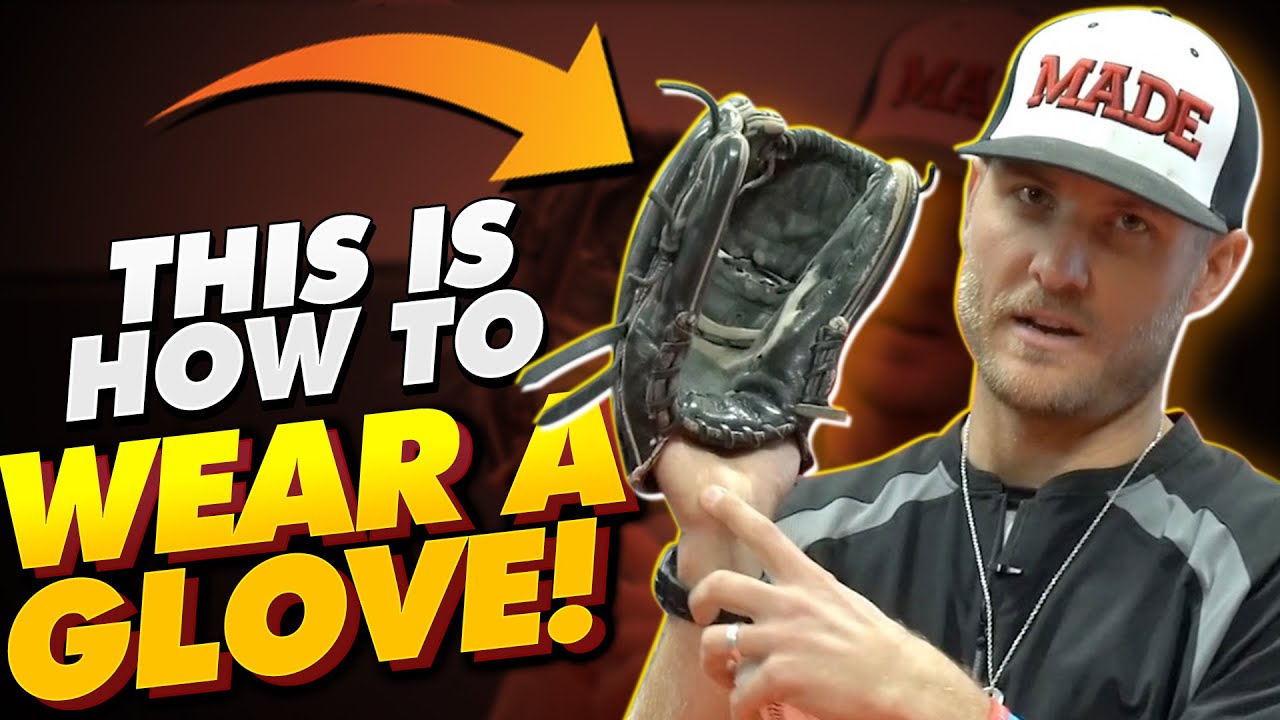
Image Source: i.ytimg.com
Fathoming the Fundamentals: Glove Anatomy
Before diving into glove selection, it’s helpful to know the basic parts of a baseball glove. Each component plays a role in how the glove functions and feels.
- Palm: The main pocket of the glove where the ball rests.
- Webbing: The material that connects the thumb and index finger. Different web styles offer varying levels of visibility and ball security.
- Heel: The base of the glove, which helps absorb impact.
- Lacing: The leather strips that hold the glove together and can be adjusted for fit.
- Finger Stalls: The individual compartments for your fingers.
- Thumb Stall: The compartment for your thumb.
- Back: The exterior of the glove, which can be open or closed.
- Wrist Strap/Adjustment: The mechanism at the back of the glove to secure it to your hand.
Deciphering Glove Size: The Key to a Good Baseball Glove Fit
The size of a baseball glove is crucial for effective play. A glove that’s too big can be cumbersome, while one that’s too small won’t properly secure the ball. The sizing is typically measured from the tip of the index finger to the heel of the glove along the pocket.
Baseball Glove Size Guide
Here’s a general baseball glove size guide, though keep in mind that specific brands might have slight variations:
| Player Age/Level | Youth (T-ball, Little League) | Infielders (Youth & Adult) | Outfielders (Youth & Adult) | First Basemen | Catchers |
|---|---|---|---|---|---|
| Suggested Size | 9″ – 11.5″ | 11″ – 11.75″ | 12″ – 13″ | 12″ – 13″ | 31″ – 34″ |
- Youth Players (T-ball, Little League): Smaller, lighter gloves are essential for developing players. They need gloves that are easy to open and close, allowing them to catch the ball with confidence. For younger players, a glove in the 9 to 10.5-inch range is common for T-ball, moving up to 11 to 11.5 inches for Little League.
- Infielders: Typically prefer smaller gloves (11″ to 11.75″). This allows for quicker transfers from the glove to the throwing hand, which is vital for turning double plays and making fast outs. The pocket is usually shallower to make it easier to pop the ball out for a throw.
- Outfielders: Generally use larger gloves (12″ to 13″). The larger size helps with catching fly balls, especially those hit deep into the outfield. A deeper pocket is also preferred to secure the ball and prevent it from popping out.
- First Basemen: Require specialized mitts that are larger and have a deeper pocket, often with a closed web. This design helps scoop low throws and secure hard-hit balls. They don’t have individual finger stalls; instead, the glove is a single large pocket.
- Catchers: Use catcher’s mitts, which are heavily padded and rounded. They lack finger stalls and have a deep pocket designed to absorb the impact of pitches and create a visible target for the pitcher.
Interpreting Baseball Glove Materials: What Your Glove is Made Of
The materials used in a baseball glove significantly impact its durability, feel, and price.
Baseball Glove Materials
- Genuine Leather (Cowhide): This is the most common material for quality baseball gloves.
- Pros: Durable, molds well to the player’s hand, develops a personal feel over time, offers good protection.
- Cons: Requires a significant break-in period, can be more expensive, needs proper care to prevent drying out or getting waterlogged.
- Types:
- Full-grain leather: The highest quality, using the entire hide, offering superior durability and a great feel.
- Top-grain leather: The second-highest quality, with the outermost layer of the hide removed to create a smoother finish. Still very durable.
- Genuine leather: Often a lower-grade leather, can be stiffer and less durable than full- or top-grain.
- Synthetic Leather (PU Leather, PVC Leather): A man-made alternative.
- Pros: Generally less expensive, requires minimal to no break-in period, often lighter, more water-resistant.
- Cons: Less durable than genuine leather, doesn’t mold to the hand as well, can feel less premium, may not offer as much protection.
- Best for: Beginners, younger players, or those on a tighter budget.
- Kangaroo Leather: A premium material used in some high-end gloves.
- Pros: Extremely lightweight yet very strong and durable, molds exceptionally well.
- Cons: Very expensive, requires careful breaking in and care.
Gauging Baseball Glove Position: Tailoring to Your Role
Your position on the field dictates the type of glove that will best suit your needs.
Baseball Glove Position Specifics
- Infield Gloves:
- Webbing: Open webbing (like an H-web or I-web) is common. This allows infielders to see the ball into the glove for quicker transfers.
- Pocket: Shallower pockets make it easier to get the ball out quickly.
- Size: Generally smaller (11″ – 11.75″) for fast hands.
- Outfield Gloves:
- Webbing: Deeper, closed webs (like a Trapeze web or Two-Piece web) are preferred. This helps with catching high fly balls and hiding the ball from base runners.
- Pocket: Deeper pockets are essential for securing fly balls.
- Size: Larger (12″ – 13″) to reach more balls.
- First Base Mitts:
- Design: No finger stalls, a large, padded, and deep pocket.
- Webbing: Often a closed web to scoop throws.
- Function: Designed for scooping low throws and snagging line drives hit to the first baseman.
- Catcher’s Mitts:
- Design: Heavily padded, round, no finger stalls, deep pocket.
- Function: Absorbs the impact of pitches and provides a clear target for the pitcher.
Achieving the Perfect Baseball Glove Fit: Comfort is Key
The best way to know if a glove fits is to try it on. However, there are key indicators to look for.
How to Check Baseball Glove Fit
- Slide Your Hand In: Ensure all your fingers fit comfortably into their respective stalls. Your index finger should feel snug but not cramped.
- Check Thumb Placement: Your thumb should fit snugly into the thumb stall. It shouldn’t be too loose or too tight.
- Close the Glove: Try to close the glove around a ball. It should close naturally without excessive force. You shouldn’t have to “fight” the glove to get it to close.
- No Pinching or Rubbing: There should be no points of discomfort, pinching, or excessive rubbing on your hand.
- Feel the Sweet Spot: The pocket should feel like a natural extension of your hand, allowing you to feel the ball securely.
- Secure the Wrist: The adjustable wrist strap should allow you to tighten the glove for a secure fit. Ideally, the glove should feel like part of your hand, not a separate, floppy item.
The Art of Breaking in a Baseball Glove
A new baseball glove, especially one made of leather, will feel stiff and unwieldy. Breaking in a baseball glove is the process of softening the leather and shaping the pocket to conform to your hand and playing style.
Methods for Breaking in a Baseball Glove
- Play Catch: The most natural and effective method. Regularly playing catch with a friend will gradually soften the leather and help shape the pocket.
- Glove Oil/Conditioner: Applying a small amount of glove oil or conditioner can help soften the leather. Rub it into the palm and fingers, focusing on areas that need to be more flexible. Avoid over-oiling, as this can make the glove too heavy or greasy.
- Glove Mallet: A specialized mallet can be used to pound the pocket and the areas you want to soften. This mimics the action of catching a ball.
- Rubber Band Method: Close the glove around a ball in the pocket and secure it with a rubber band. Leave it overnight. This helps the glove retain its shape.
- The “Oven” Method (Use with Extreme Caution): Some suggest placing the oiled glove in a low-temperature oven (around 200°F or 93°C) for a short period (10-15 minutes). This is risky as it can dry out and damage the leather. If attempted, monitor it very closely and use the lowest possible heat. It’s generally recommended to avoid this method.
Important Note: Avoid using excessive heat from hair dryers or microwaves, as these can quickly damage and ruin the leather. Patience is key; a good break-in takes time.
Exploring Custom Baseball Gloves: For the Discerning Player
For players seeking a truly personalized experience, custom baseball gloves offer a unique opportunity to tailor every aspect of their gear.
Benefits of Custom Baseball Gloves
- Personalized Fit: You can specify exact sizing and finger stall dimensions.
- Material Choice: Select from premium leathers and other high-quality materials.
- Webbing Options: Choose the web style that best suits your position and preference.
- Color and Design: Customize colors, lacing, and even add personal embroidery or logos.
- Pocket Depth: Specify the exact depth of the pocket you desire.
Custom baseball gloves are often made by specialized companies or can be ordered through some major baseball glove brands. They are typically more expensive than off-the-shelf models but offer an unparalleled level of customization.
Renowned Baseball Glove Brands
The baseball glove market is dominated by several reputable brands, each with its own reputation for quality, performance, and specific features.
Popular Baseball Glove Brands
- Wilson: A dominant force, known for their A2000 and A2K series, which are widely considered top-tier gloves. They are popular among professionals and serious amateurs.
- Rawlings: Another long-standing leader, famous for their Heart of the Hide and Pro Preferred series. Rawlings gloves are known for their quality leather and excellent craftsmanship.
- Mizuno: Offers a range of gloves, including their popular MVP Prime and GGE (Global Elite) series. Mizuno gloves are often praised for their comfort and quick break-in.
- Easton: Known for its innovative designs and quality materials, Easton offers gloves that cater to various player levels.
- Louisville Slugger: A historic brand that continues to produce reliable and well-made gloves suitable for all levels of play.
- All-Star: Particularly renowned for their catcher’s mitts and first base mitts, but they also produce quality fielders’ gloves.
When choosing among baseball glove brands, consider trying on gloves from different manufacturers to see which feels best in your hand.
Baseball Glove Lacing: More Than Just Aesthetics
The lacing on a baseball glove is crucial for its structure, durability, and how it conforms to your hand. The leather laces are typically made from the same material as the glove itself.
Considerations for Baseball Glove Lacing
- Durability: High-quality laces resist stretching and breaking.
- Flexibility: Well-maintained laces allow the glove to open and close smoothly.
- Adjustability: The lacing pattern can be adjusted to fine-tune the glove’s fit and pocket depth. For example, loosening or tightening certain areas can change how the glove closes.
- Repair and Replacement: Laces can wear out over time and may need to be replaced. Many players opt to re-lace their gloves themselves or have it done professionally to refresh an older glove.
Baseball Glove Care: Keeping Your Glove in Top Shape
Proper baseball glove care is essential for extending the life of your glove and maintaining its performance.
Tips for Baseball Glove Care
- Keep it Clean: Wipe down your glove with a damp cloth after each use to remove dirt and sweat.
- Condition Regularly: Apply a small amount of glove conditioner or oil periodically (monthly or as needed) to keep the leather supple and prevent it from drying out and cracking. Use a specialized baseball glove conditioner for best results.
- Store Properly:
- Avoid extreme temperatures: Don’t leave your glove in a hot car trunk or a damp basement.
- Use a glove guard or wrap: Store the glove with a ball in the pocket and wrap it with a rubber band or glove guard to help it maintain its shape.
- Avoid plastic bags: These can trap moisture and promote mildew. Use a breathable glove bag if possible.
- Avoid Over-Oiling: Too much oil can make the glove heavy, greasy, and can degrade the leather over time.
- Let it Air Out: After a game or practice, especially if it got wet, let your glove air dry naturally. Don’t force dry it with heat.
- Inspect Laces: Check the lacing regularly for any signs of wear or damage.
Frequently Asked Questions (FAQ)
Q: How often should I condition my baseball glove?
A: It depends on how often you use it and the climate you play in. For regular use, once a month is a good starting point. If the leather feels dry or stiff, it’s time for conditioning.
Q: Can I use any oil on my baseball glove?
A: It’s best to use specialized baseball glove conditioners or natural oils like neatsfoot oil. Avoid petroleum-based products, as they can damage the leather.
Q: My glove feels too stiff. What can I do?
A: Play catch with it regularly, apply a small amount of glove conditioner, and consider using a glove mallet to work the pocket. Patience is key!
Q: What’s the difference between a baseball glove and a softball glove?
A: Softball gloves are typically larger with deeper pockets and wider webs to accommodate the larger softball. Baseball gloves are generally smaller with shallower pockets for quicker ball transfers.
Q: How long does a baseball glove typically last?
A: With proper care, a good quality leather baseball glove can last for many years, often through multiple seasons of play, even for serious players. Cheaper synthetic gloves will have a shorter lifespan.
By considering these factors – size, position, materials, fit, and care – you’ll be well on your way to finding the perfect baseball glove that will be your reliable partner on the diamond for seasons to come. Happy catching!