
What is the best way to measure your hand for a baseball glove? The best way to measure your hand for a baseball glove is by accurately measuring its length and circumference. This guide will walk you through the simple steps to ensure you find the perfect fit, making your baseball glove fitting a breeze.
Picking the right baseball glove is as crucial as having a solid batting stance or a powerful throwing arm. A glove that fits well feels like an extension of your hand, improving your fielding, comfort, and confidence on the field. But with so many sizes and styles, how do you know which one is right for you? The secret lies in baseball glove sizing and knowing how to get an accurate glove hand measurement. This guide is your ultimate resource for baseball glove fitting, helping you navigate the process of finding your baseball glove size with confidence. We’ll delve into the specifics of baseball hand span, baseball glove circumference, and baseball glove length to create your personal glove fit guide.
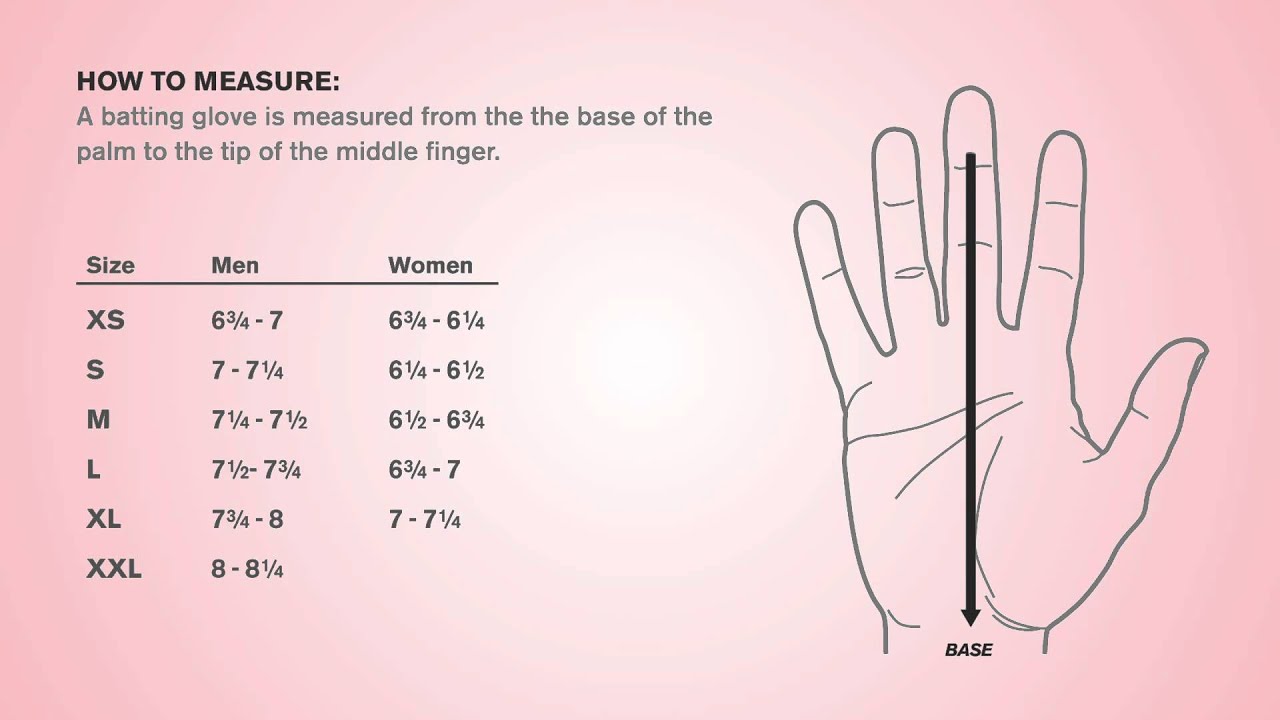
Image Source: i.ytimg.com
Why Accurate Hand Measurement Matters for Baseball Gloves
A well-fitting baseball glove isn’t just about comfort; it directly impacts your performance. A glove that’s too big can feel clumsy, making it harder to catch the ball cleanly. A glove that’s too small can restrict your hand, leading to discomfort, blisters, and a compromised grip. Getting your baseball glove size right from the start saves you the hassle of returns and exchanges and, more importantly, helps you develop your skills without being hindered by ill-fitting equipment.
The Impact of Glove Fit on Fielding
- Ball Control: A proper fit allows for better control of the ball when it enters the glove. You can secure the ball more easily, reducing fumbles and errors.
- Glove Feel: When your glove fits correctly, it feels like a natural part of your hand. This improves your “feel” for the ball, allowing for quicker transfers from glove to throwing hand.
- Comfort and Endurance: Playing baseball involves long hours on the field. An uncomfortable glove can be a major distraction and lead to fatigue. A good fit minimizes rubbing and pressure points, letting you focus on the game.
- Injury Prevention: While not a primary cause of injury, an ill-fitting glove can sometimes lead to awkward hand positioning or stress on your hand and wrist, especially during intense plays.
Tools You’ll Need for Glove Hand Measurement
Before you start, gather these simple items:
- A flexible measuring tape: A tailor’s tape measure is ideal. If you don’t have one, a piece of string and a ruler will work.
- A pen or pencil: For marking the string if needed.
- A flat surface: To lay your hand on for accurate measurements.
Step-by-Step: How to Measure Your Hand for a Baseball Glove
The key to getting the right baseball glove size is to measure both the length and the circumference of your dominant hand. Your dominant hand is the hand you use to throw the ball.
Step 1: Measuring Your Hand Length
This measurement is crucial for determining the overall size of the glove.
- Place Your Hand Flat: Lay your dominant hand flat on a piece of paper or a flat surface with your palm down. Spread your fingers slightly, but not too wide.
- Mark the Top: Using a pen or pencil, carefully mark the tip of your longest finger (usually the middle finger).
- Mark the Bottom: Mark the base of your palm, right where your wrist begins.
- Measure the Distance: Use your flexible measuring tape or string and ruler to measure the straight-line distance between these two marks. This is your baseball glove length. Ensure the measurement is taken along the center of your hand, not at an angle.
Step 2: Measuring Your Hand Circumference
This measurement is essential for ensuring the glove is wide enough to comfortably accommodate your hand.
- Wrap the Tape: Take your flexible measuring tape and wrap it around the widest part of your palm. This is typically just below your knuckles, across the base of your fingers.
- Keep it Snug but Not Tight: The tape should be snug against your skin, but not so tight that it digs in or constricts your hand. You should be able to move your hand slightly.
- Read the Measurement: Note the measurement where the tape overlaps. This is your baseball glove circumference.
Step 3: Measuring Your Middle Finger Length (Optional but Recommended)
Some manufacturers also use middle finger length as a factor in baseball glove fitting.
- Align the Tape: Place the end of your measuring tape at the tip of your middle finger.
- Measure Down: Extend the tape down the center of your middle finger to the crease where your finger meets your palm.
- Record the Length: Note this measurement.
Step 4: Measuring Your Span (Baseball Hand Span)
The baseball hand span can give an additional indicator of your hand’s width and how it will fit inside a glove.
- Extend Your Hand: Lay your dominant hand flat on a surface.
- Spread Your Fingers: Spread your fingers as wide as you comfortably can.
- Mark the Extremes: Mark the tip of your thumb and the tip of your pinky finger.
- Measure the Distance: Measure the straight-line distance between these two marks. This measurement, your baseball hand span, helps understand how well your hand will fit across the width of the glove’s pocket.
Converting Your Measurements to Baseball Glove Sizes
Once you have your hand measurements, you can compare them to manufacturer sizing charts. These charts are the key to translating your glove hand measurement into a specific baseball mitt size guide.
Understanding Glove Sizing Charts
- Glove Size vs. Hand Size: It’s important to note that baseball glove sizes are typically measured in inches, referring to the length of the glove from the heel to the top of the index finger, not your hand’s direct measurements. However, your hand measurements are the starting point for choosing the correct glove size.
- Position Matters: Glove sizes vary significantly depending on the player’s position. Infielders generally use smaller gloves for quick transfers, while outfielders prefer larger gloves for catching fly balls. Pitchers and catchers have specialized gloves designed for their unique roles.
- Age Groups: Youth players will have different sizing needs than adult players. Always check charts specifically designed for the age group you are buying for.
Example Sizing Chart (Illustrative – Always Check Specific Manufacturer)
This is a general guide. Always refer to the specific brand’s baseball glove fitting chart for the most accurate results.
| Hand Measurement (Inches) | Recommended Glove Size (Inches) | Player Type/Position |
|---|---|---|
| Length | Glove Length | |
| 7.0 – 7.5 | 10.5 – 11.0 | Youth Infielders, some Outfielders |
| 7.5 – 8.0 | 11.0 – 11.5 | Adult Infielders, Youth Outfielders |
| 8.0 – 8.5 | 11.5 – 11.75 | Adult Outfielders, some Third Basemen |
| 8.5+ | 11.75 – 12.5+ | Outfielders, First Basemen, Pitchers (specialized designs) |
| Circumference | (Considered for Width) | |
| 7.5 – 8.0 | Generally fits in 10.5-11.5 | |
| 8.0 – 8.5 | Generally fits in 11.5-12.0 | |
| 8.5+ | Generally fits in 12.0+ |
Note: This table is a simplified representation. Actual glove sizes are determined by measuring the glove itself, not directly by hand measurements. Your hand measurements help you select the appropriate glove size.
Fathoming Glove Fit: Beyond Simple Measurements
While measurements are essential, the glove fit guide isn’t complete without considering the feel and functionality.
The Pocket Depth and Shape
- Infielders: Prefer shallower pockets that allow for quicker ball transfers.
- Outfielders: Often prefer deeper pockets to secure fly balls.
- Catchers: Have specialized mitts with deep pockets designed to receive pitches.
- First Basemen: Use wider, deeper mitts for scooping throws and catching balls.
Break-in Period Considerations
Most baseball gloves, especially those made of leather, require a break-in period. However, a glove that’s drastically the wrong size will never feel right, no matter how much you break it in. Consider how easily the glove closes and if your hand feels cramped or has too much excess room.
Trying on Gloves
If possible, always try on gloves before buying. Walk around, mimic catching motions, and see how it feels. Does it close easily? Is there any pinching or rubbing? Does it feel balanced? This is the ultimate test of baseball glove fitting.
Popular Baseball Glove Positions and Their Sizing
The position you play significantly influences the baseball glove sizing you should look for.
Infield Gloves
- Characteristics: Smaller in size (typically 10.5 to 11.75 inches), shallow pockets, and often a two-piece or H-web.
- Purpose: Designed for quick transfers from glove to throwing hand, essential for turning double plays and making fast outs.
- Measurement Tip: Focus on a snug fit that allows for rapid glove closure. Your glove hand measurement here should prioritize a glove that doesn’t feel cumbersome.
Outfield Gloves
- Characteristics: Larger in size (typically 11.75 to 12.75 inches), deeper pockets, and often an I-web or modified trap web.
- Purpose: Made for snagging fly balls, providing a larger target area and a pocket to secure the ball.
- Measurement Tip: Ensure the glove offers enough length and depth to comfortably catch fly balls without the ball popping out. Your baseball glove length will be a key factor here.
Pitcher Gloves
- Characteristics: Medium size (typically 11.5 to 12 inches), closed webbing (like a two-piece web) to hide the ball from batters.
- Purpose: The closed web helps pitchers conceal their grip on the ball, making it harder for batters to anticipate the pitch type.
- Measurement Tip: The glove should feel secure and allow for easy concealment of the ball while still providing a reliable catch.
Catcher’s Mitts
- Characteristics: Unique mitts with no finger stalls, extra padding, and a deep pocket. Sizes are typically measured by circumference rather than length.
- Purpose: Designed specifically to receive fast pitches, absorb impact, and allow the catcher to frame pitches effectively.
- Measurement Tip: Catcher’s mitt sizing is less about your hand measurements and more about the mitt’s fit around your hand and the feel of the pocket. It should feel like a solid, padded extension of your arm.
First Baseman’s Mitt
- Characteristics: Longer, wider, and more flexible than other gloves, with a deep pocket and usually a two-piece or H-web.
- Purpose: Optimized for scooping throws out of the dirt and catching balls hit hard at the first base bag.
- Measurement Tip: The mitt should feel comfortable and allow for a wide reach, but the primary focus is on the mitt’s construction for its intended purpose.
Common Pitfalls in Baseball Glove Fitting
Avoiding these mistakes will make your baseball glove fitting experience much smoother.
Over-reliance on Brand Sizing
While manufacturer charts are helpful, they are not always perfectly consistent across all brands. A size 11.5 in one brand might feel different from a size 11.5 in another. Always use your measurements as a starting point and adjust based on how the glove feels.
Ignoring Hand Circumference
Many people focus solely on the length of their hand, forgetting about the circumference. A glove that is long enough but too narrow will be uncomfortable and restrict your grip. Your baseball glove circumference measurement is just as vital.
Buying a Glove “To Grow Into”
While kids do grow, buying a glove that is significantly too large will hinder their development and confidence. It’s better to get a glove that fits well now and upgrade as they grow.
Not Considering the Glove’s Design
Different glove designs and webbing patterns affect how the glove closes and feels. What works for one player or position might not work for another.
Tips for a Better Baseball Glove Fitting Experience
- Measure Both Hands: Even though you’ll use your dominant hand for fielding, measuring both can give you a better overall sense of your hand size and shape.
- Measure at the End of the Day: Your hands can swell slightly throughout the day, especially after physical activity. Measuring at the end of the day can provide a more accurate representation of your hand size during a game.
- Consider Glove Material: Leather gloves will stretch and mold to your hand over time, while synthetic materials may offer a more consistent fit from the start. Your hand measurements will help you choose the right size for either material.
- Don’t Be Afraid to Ask for Help: If you’re unsure, consult with experienced baseball players, coaches, or staff at a sporting goods store. They can offer valuable insights and help with baseball glove fitting.
Frequently Asked Questions (FAQ)
Q1: How do I know if a baseball glove is too big or too small?
A: A glove is too big if your hand slides around inside it, you can’t close it effectively, or it feels clumsy. A glove is too small if your fingers are cramped, the glove doesn’t fully close around the ball, or it causes pain or discomfort. Your glove hand measurement should align with the glove’s size specifications for a proper fit.
Q2: Can I use my baseball glove measurements for softball gloves?
A: Yes, the process for glove hand measurement is very similar for both baseball and softball gloves. However, softball gloves often have slightly different sizing conventions and designs due to the larger ball size. Always check the specific baseball mitt size guide or softball mitt sizing charts.
Q3: How much should a baseball glove stretch?
A: Leather gloves will stretch and conform to your hand with use. A good rule of thumb is that a glove should feel snug but not painfully tight when new. You should have a little room to move your fingers, but not so much that your hand slides. The break-in process will allow the glove to fit more perfectly.
Q4: Do different brands have different sizing for baseball gloves?
A: Yes, there can be variations in baseball glove sizing between brands. It’s essential to consult the specific manufacturer’s baseball glove sizing chart. Your baseball hand span and other measurements provide a baseline, but the final selection may require trying on gloves from different brands.
Q5: What is the best way to break in a baseball glove?
A: The best ways to break in a glove involve consistent use, flexing the glove, and using a small amount of glove conditioner. Avoid excessive heat or soaking the glove, as this can damage the leather. The goal is to soften the leather and shape the pocket. This process ensures a good glove fit guide.
By following these steps and paying attention to the details of baseball glove sizing, you can confidently select a glove that enhances your game and provides comfort for seasons to come. Remember, accurate glove hand measurement is your first step to finding your baseball glove size and mastering your game.