
Can you make your own baseball cards? Yes, you absolutely can! This guide will walk you through the exciting process of creating your very own baseball cards, from concept to finished product. Whether you’re a seasoned baseball card collecting enthusiast looking to immortalize your favorite players, or you simply want to create a unique gift, this detailed guide is for you. We’ll cover everything you need to know about baseball card printing, custom baseball cards, and the basics of baseball card manufacturing.
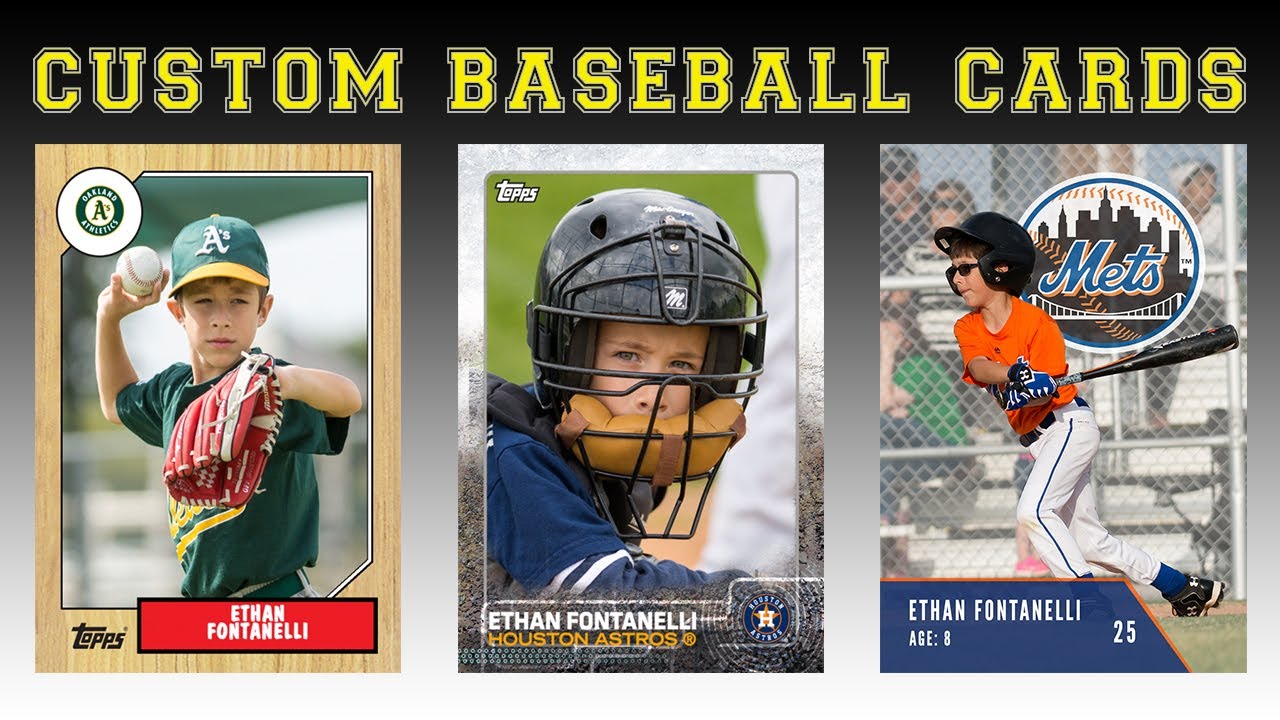
Image Source: i.ytimg.com
The Allure of Custom Baseball Cards
The world of baseball card collecting is vast and varied. While iconic cards from legends like Mickey Mantle and Babe Ruth command incredible baseball card value, there’s a growing interest in personalized creations. Making your own baseball cards allows you to:
- Celebrate Personal Achievements: Create cards for little league stars, fantasy baseball league champions, or even your own sports accomplishments.
- Create Unique Gifts: Imagine a card featuring a loved one as a sports hero – it’s a truly memorable present.
- Design Your Dream Set: Ever thought about how a different player would look on a vintage card? Now you can find out!
- Learn About the Process: Gain a deeper appreciation for the intricate baseball card manufacturing that goes into the cards you cherish.
Deciphering the Essentials of Card Creation
Before we dive into the “how-to,” let’s touch upon the key elements that make a baseball card feel authentic.
Front of the Card: The Visual Story
The front of a baseball card is its iconic face. It typically includes:
- Player Name: Clearly displayed, usually in a prominent font.
- Team Name/Logo: Identifies the player’s affiliation.
- Player Image: A high-quality photograph of the player in action or a portrait.
- Year: Often subtly included.
- Card Number: Part of the set’s numbering system.
- Brand Logo: The issuing company (e.g., Topps, Upper Deck).
Back of the Card: The Statistical Compendium
The back is where the “stats” come alive. You’ll usually find:
- Player Biography: A brief history or interesting facts about the player.
- Statistics: Career highlights, season stats, batting averages, home runs, etc.
- Card Set Information: Details about the year and set the card belongs to.
- Copyright Information: Legal notices.
Step-by-Step: How to Create Your Baseball Cards
Creating your own baseball cards involves a few key stages. We’ll break them down into manageable steps.
Step 1: Planning and Design Concept
This is where your creativity shines!
Conceptualizing Your Set
- Theme: What kind of cards are you making? Vintage? Modern? Fantasy? Funny?
- Players: Who will be featured? Real players? Fictional characters? Yourself?
- Era: Are you mimicking a specific year’s design or creating something new?
- Set Size: How many cards will your set have?
Gathering Your Assets
- Images:
- High-Resolution Photos: This is crucial for a professional look. You can use photos you’ve taken, find royalty-free images, or even use publicly available images (be mindful of copyright if you plan to sell them).
- Player Information: Names, teams, stats, bios.
- Design Templates:
- Existing Card Designs: You can use existing baseball card designs as inspiration or even as a base if you’re skilled with design software. This helps in replicating the feel of vintage baseball cards or modern sets.
- Creating Your Own Template: This offers maximum flexibility.
Step 2: Designing Your Cards
This is the core of the baseball card manufacturing process. You’ll need design software.
Recommended Design Software
- Adobe Photoshop/Illustrator: Industry standards, powerful but can have a learning curve.
- Canva: User-friendly, with many templates and a drag-and-drop interface, great for beginners.
- GIMP: A free and open-source alternative to Photoshop.
- Affinity Designer/Photo: Professional-grade software at a more accessible price point.
Designing the Front
- Set Up Your Canvas: Standard baseball card dimensions are typically around 2.5 x 3.5 inches. Set your resolution to at least 300 DPI for good print quality.
- Add Player Image: Place your chosen player photo. Ensure it’s clear and well-composed.
- Incorporate Text: Add the player’s name, team, and any other essential front-side details. Choose fonts that match your desired era or style.
- Branding: Add a fictional or real brand logo.
- Borders and Accents: Design the borders, colors, and any special effects to give your card its unique look.
Designing the Back
- Layout: Plan where the text and statistics will go. A common layout includes a title, player bio, and statistical tables.
- Text Content:
- Player Bio: Write a short, engaging blurb.
- Statistics: Format stats clearly. You can find typical stat lines for different eras online to make them look authentic.
- Design Elements:
- Background: Choose a background color or pattern that complements the front.
- Logos: Include your brand logo again.
- Card Number/Set Info: Make sure this is present.
Tip: Look at existing rare baseball cards or vintage baseball cards to get ideas for layout and design elements. This can significantly influence perceived baseball card value if you’re aiming for authenticity.
Step 3: Printing Your Baseball Cards
Once your designs are finalized, it’s time to bring them to life!
Printing Methods
- Home Printing:
- Pros: Convenient, good for small batches.
- Cons: Quality can vary significantly depending on your printer and paper. Requires precise cutting.
- What You’ll Need:
- High-quality inkjet or laser printer.
- Cardstock: Look for heavyweight, smooth cardstock (e.g., 100lb cover stock). Some cardstock is specifically designed for photo printing.
- Paper cutter or craft knife and ruler.
- Professional Printing Services:
- Pros: Excellent print quality, professional finish, accurate cutting, often on specialized paper.
- Cons: More expensive, requires larger print runs, longer turnaround time.
- Where to Look:
- Local print shops.
- Online printing services (e.g., Vistaprint, Moo, Shutterfly often have custom card options).
- Specialty printers that cater to trading cards.
Preparing Files for Professional Printing
- File Format: Most printers prefer PDF, AI, or EPS files.
- Color Mode: Use CMYK color mode for printing, not RGB (used for screens).
- Bleed: Add a bleed area (usually 0.125 inches) around your design. This is an extra margin of your background color or image that gets trimmed off, ensuring no white edges appear on the final card.
- Resolution: Ensure all images are at least 300 DPI.
- Templates: Many professional printers offer templates to help you set up your files correctly.
Paper Choice and Cardstock Weight
The feel of the card is as important as its look.
- Cardstock Weight: Measured in pounds (lb) or points (pt).
- 350gsm (approx. 130lb cover): A good weight for custom cards that feel substantial.
- 16pt or 20pt: Common weights for professional card printing.
- Finish:
- Matte: Non-reflective, classic look.
- Glossy: Shiny, vibrant colors, but can show fingerprints.
- Satin/Silk: A balance between matte and glossy.
Step 4: Cutting and Finishing
Precision is key here.
Cutting Your Cards
- Guillotine Paper Cutter: Provides straight, clean cuts. Best for small batches if you have one.
- Rotary Cutter and Mat: Offers flexibility and control.
- Scoring Tool: If printing multiple cards on a larger sheet and cutting manually, scoring the fold lines first makes for a cleaner finish.
- Professional Cutting: Printers usually offer cutting services, ensuring perfect edges.
Optional Finishing Touches
- Lamination: Can add durability and a glossy finish, but can make cards feel less traditional.
- Holographic Foils/Stamps: For a premium, rare baseball cards feel.
- Autograph Stickers: If you’re creating cards for personal signings.
Considerations for Baseball Card Value and Grading
If you’re creating cards with the idea of their potential baseball card value, there are a few extra things to consider, though it’s important to note that custom-made cards generally do not hold significant resale value compared to officially licensed and produced cards.
Authenticity and Licensing
- Official Sets: Major card manufacturers like Topps, Panini, and Upper Deck have licensing agreements with MLB and the MLB Players Association. This is what gives officially produced cards their official status and contributes to their market baseball card value.
- Your Creations: When you make your own cards, you are essentially creating fan art or personal memorabilia. They are not official products.
Rarity vs. Production
- Rare Baseball Cards: The value of rare baseball cards stems from a combination of scarcity (low print runs), player significance, historical context, and condition.
- Custom Cards: While you can print a very limited number of your custom cards, they are not considered rare in the same way as officially produced limited editions because they weren’t part of an established, limited production run by a licensed manufacturer.
Baseball Card Grading
- Professional Grading Services: Companies like PSA, BGS (Beckett), and SGC specialize in baseball card grading. They assess cards based on condition (centering, corners, edges, surface) and assign a numerical grade.
- Custom Cards and Grading: It is highly unlikely that professional grading services would grade privately produced custom baseball cards, especially if they are designed to mimic officially licensed products. Their focus is on officially produced sports trading cards. If you were creating cards with a completely original design and theme unrelated to existing sports properties, it’s still not their typical market.
Baseball Card Investing
- Official Cards: Baseball card investing primarily involves acquiring officially produced cards of valuable players, often looking for key rookie cards or cards from significant historical sets.
- Custom Cards: Custom-made cards are generally not considered investment vehicles. Their value is almost entirely personal or sentimental.
Exploring Different Styles of Baseball Cards
There’s a huge spectrum of styles you can emulate or invent.
Vintage Baseball Cards
- Era Inspiration: Think 1950s Topps, 1970s Fleer, or 1980s Donruss.
- Design Elements: Simpler designs, often with borders, specific color palettes, and classic typography.
- Image Style: Black and white photos were common in earlier eras, transitioning to color.
- Back Design: Often featured player stats and historical tidbits in a straightforward layout.
Modern Baseball Cards
- Design Elements: More complex graphics, foil accents, die-cut shapes, intricate photo editing, and varied textures.
- Autographs and Relics: Modern cards frequently include real autographs or pieces of game-used memorabilia (jersey, bat). Replicating these requires more advanced printing and finishing techniques.
- Insert Sets: Modern sets often have numerous parallel and insert sets with different designs and rarity levels.
Fun and Creative Custom Cards
- Fantasy Players: Create cards for your fantasy league team.
- Pets or Family Members: Design cards featuring your loved ones as baseball stars.
- Inside Jokes: If you have a group of friends with shared memories or inside jokes, you can immortalize them on cards.
- Parody Cards: Create humorous takes on existing card designs or players.
Tools and Resources for Baseball Card Printing
To make your custom baseball cards look professional, consider these:
Software and Online Tools
- Adobe Creative Cloud: Photoshop, Illustrator, InDesign.
- Canva: For easy, template-based design.
- Photopea: A free, web-based Photoshop alternative.
Printing Services
- Local Print Shops: Great for quick, small runs and personalized service.
- Online Card Printers: Search for companies specializing in custom card printing, trading cards, or playing cards. Many offer templates and different paper stocks.
Supplies
- High-Quality Cardstock: Essential for a good feel.
- Paper Trimmer/Guillotine Cutter: For clean edges.
- Printer: If printing at home.
Frequently Asked Questions (FAQ)
Q1: Can I sell my custom baseball cards?
While you can sell them, it’s crucial to be aware of copyright and trademark laws. If you use images of players, team logos, or league names without proper licensing, you could face legal issues, especially if you’re trying to profit from them. Creating cards for personal use or as gifts is generally safe. If you plan to sell, it’s best to use original artwork, royalty-free images, or get explicit permission.
Q2: What is the standard size of a baseball card?
The standard size for modern baseball cards is 2.5 inches by 3.5 inches. Older cards, particularly from the early days of baseball card collecting, might vary slightly, but 2.5 x 3.5 inches is the benchmark.
Q3: How do I make my custom cards look like vintage baseball cards?
To achieve a vintage look:
* Research Designs: Study cards from your target era (e.g., 1950s Topps, 1970s Topps). Pay attention to font styles, color palettes, border designs, and photo treatments.
* Use Appropriate Fonts: Look for vintage-style fonts.
* Image Treatment: Consider black and white photos or sepia tones for very early vintage looks. For the 70s and 80s, use appropriate color saturation and framing.
* Back Design: Keep the back design simple, with clear statistical presentation and perhaps a basic biographical section.
Q4: What kind of paper is best for making baseball cards?
A smooth, heavyweight cardstock is ideal. Look for weights around 100 lb cover or higher (or the equivalent in GSM, like 300-350gsm). The finish can be matte, satin, or glossy, depending on the look you’re going for.
Q5: How do I get player statistics for my cards?
You can find player statistics on many sports websites (like Baseball-Reference.com), in sports encyclopedias, or by referencing existing baseball cards. For custom cards featuring fictional players or yourself, you can invent the stats!
Q6: Can I add autographs or memorabilia to my custom cards?
For personal custom cards, you can absolutely do this! You can write or sign your name, and if you have pieces of memorabilia, you could potentially adhere them using strong adhesive, though this is usually more for hobbyist projects than professional-looking results. For official cards, these features are part of the licensed baseball card manufacturing process.
Q7: Is making baseball cards a good way to invest?
Generally, no. While the baseball card collecting market can see significant returns on officially produced, rare, or historically important cards, custom-made cards are typically not considered investments. Their value is sentimental and personal. True baseball card investing focuses on officially licensed products with proven market demand and scarcity.
Q8: What are the key differences between making custom cards and official baseball card production?
The primary differences lie in licensing, scale, and quality control. Official baseball card manufacturing involves complex licensing agreements with players and leagues, large-scale printing presses, specialized machinery for cutting and collation, and rigorous quality control to ensure consistency and meet grading standards. Custom card creation is typically a small-scale, personal endeavor.
Q9: How important is baseball card grading for custom cards?
Baseball card grading is not relevant for custom-made cards. Grading services like PSA or Beckett authenticate and grade officially produced sports trading cards based on specific criteria. Your custom creations fall outside the scope of their services.
By following these steps and tips, you can embark on the rewarding journey of creating your own custom baseball cards. It’s a fantastic way to engage with the hobby of baseball card collecting on a personal level and produce something truly unique!