
Can you hit the ball farther and with more force? Yes, you absolutely can! Hitting harder in baseball is about developing explosive power through a combination of proper swing mechanics, targeted training, and consistent practice. This isn’t about just swinging faster; it’s about generating more force and transferring it efficiently into the ball. We’ll delve deep into the techniques and training methods that will transform your hitting game, focusing on bat speed, leg drive, core strength, hip rotation, and a strong follow through.
Image Source: lh7-rt.googleusercontent.com
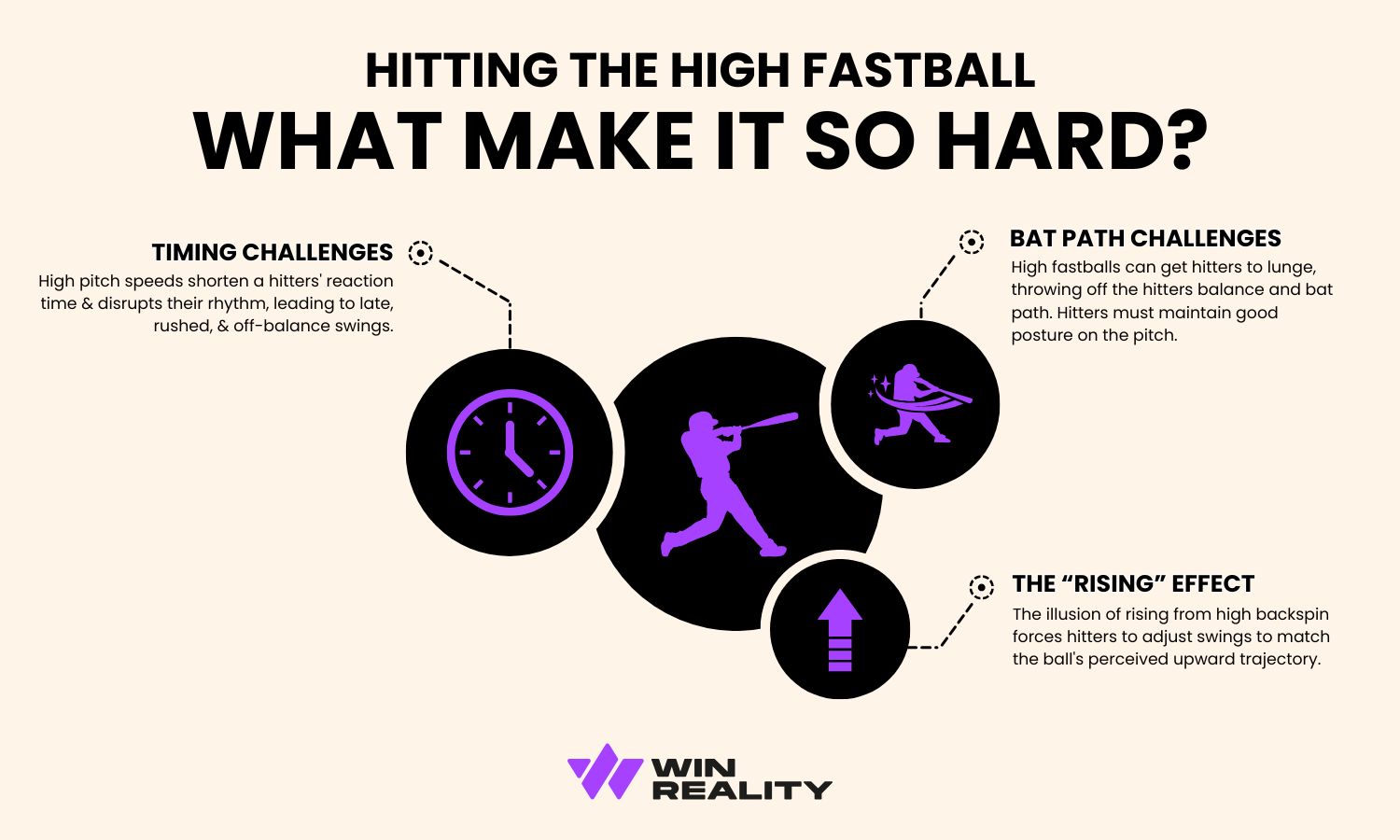
The Science of a Powerful Swing
Hitting a baseball hard is a complex kinetic chain reaction. Every part of your body, from your feet to your hands, works together to create maximum force. To hit harder, you need to optimize this chain, ensuring that power is generated from the ground up and transferred smoothly through your body to the bat.
Why Bat Speed Matters Most
Bat speed is arguably the most critical factor in hitting for power. The faster the bat travels through the hitting zone, the more energy it transfers to the ball. Think of it like a collision: a faster-moving object imparts more force. Increasing bat speed means hitting the ball with greater velocity, leading to longer distances and more extra-base hits. It’s not just about swinging harder; it’s about swinging smarter and faster through efficient mechanics.
Deciphering Your Swing Mechanics
Swing mechanics are the foundation of powerful hitting. A good swing uses the entire body in a coordinated sequence.
- Load and Stride: This is the initial movement where you gather energy. A proper load and stride involves coiling your hips and shoulders, creating potential energy. Your stride should be controlled and balanced, allowing you to transfer weight forward effectively.
- Separation: As you stride, your hips should begin to open while your upper body remains back. This creates torque, like winding up a spring, building significant rotational power.
- Rotation: The hips are the engine of the swing. Powerful hip rotation initiates the movement, followed by the torso, arms, and finally, the bat.
- Contact: The goal is to meet the ball out in front of the plate with an upward angle to maximize lift and carry.
- Follow Through: A complete follow through is crucial. It signifies that you’ve used all your available energy and allows the bat to continue its path naturally after contact. A good follow-through prevents you from decelerating too early and helps maintain balance.
Building the Engine: Strength and Conditioning for Power
Hitting a baseball hard requires more than just good technique; it demands physical strength, particularly in key areas that contribute to explosive power.
The Power of Leg Drive
Your legs are your foundation and a major source of power. A strong leg drive allows you to transfer force from the ground up through your body into the swing.
- Lower Body Strength: Exercises like squats, lunges, and deadlifts build the necessary strength in your quads, hamstrings, and glutes. These muscles are essential for generating initial force.
- Plyometrics: To translate strength into speed, plyometric exercises are key. Box jumps, jump squats, and broad jumps train your muscles to produce force quickly and explosively. These movements mimic the rapid force production needed in a baseball swing.
Core Strength: The Central Powerhouse
Your core is the link between your lower and upper body. A strong and stable core is essential for transferring power efficiently and maintaining balance during the swing.
- Rotational Power: Exercises like medicine ball throws (rotational slams, twists), cable wood chops, and Russian twists build rotational strength and power.
- Anti-Rotation: Exercises such as planks, Pallof presses, and side planks improve core stability, preventing energy leaks and allowing for a more powerful transfer of force.
- Overall Core Engagement: Many compound exercises inherently work the core. Squats, deadlifts, and even overhead presses require significant core stabilization.
Hip Rotation: Unleashing Torque
As mentioned, hip rotation is critical. Training your hips to rotate quickly and powerfully will significantly increase your bat speed.
- Hip Mobility: Exercises like hip circles, leg swings, and glute bridges improve the range of motion in your hips, allowing for a more complete and powerful rotation.
- Glute Activation: Weak glutes can limit hip power. Glute bridges, clam shells, and banded walks help activate and strengthen these crucial muscles.
- Rotational Drills: Specific drills that emphasize hip-driven rotation are invaluable.
Essential Hitting Drills for Power Development
Theoretical knowledge is important, but practical application through hitting drills is where you truly build power hitting ability. These drills focus on specific aspects of the swing to enhance bat speed and overall force.
Drills for Bat Speed and Explosive Power
These drills are designed to increase how fast your bat moves through the hitting zone and develop explosive power.
- Tee Drills:
- High Tee: Start with the tee at chest height. Focus on a quick, aggressive swing with a good follow through.
- Middle Tee: Adjust the tee to roughly belt height. Emphasize generating power through proper hip rotation and leg drive.
- Low Tee: Place the tee at knee height. This drill forces you to use your lower body and core to generate power, promoting good sequencing and leg drive.
- Soft Toss:
- Inward Toss: Have a partner toss the ball slightly from the side to encourage proper hip rotation and bat path.
- Outward Toss: Toss the ball slightly away from the hitter, requiring them to extend and drive the ball.
- Medicine Ball Throws:
- Rotational Throws: Stand sideways, mimicking your hitting stance. Rotate your torso and throw a medicine ball against a wall. This is excellent for building core strength and hip rotation power.
- Overhead Throws: Mimic the upward motion of a swing by throwing a medicine ball overhead and forward. This helps develop explosive upward power.
- Weight Swings:
- Use lighter bats or weighted training bats (not too heavy, as this can promote bad habits). Focus on accelerating the bat through the hitting zone and maintaining a strong follow through. The goal is to feel the weight of the bat and learn to control it at higher speeds.
- The “Bat Drag” Drill: This drill, when executed correctly, helps promote proper swing mechanics by focusing on keeping the barrel of the bat in the correct hitting zone longer. It emphasizes a strong hip rotation and maintaining lag.
Drills for Improving Load and Stride
A good load and stride sets the stage for a powerful swing.
- “No Stride” Batting Practice: Hit off a tee or soft toss without taking a stride. This forces you to generate power from your load and lower body coils, improving leg drive and hip rotation without relying on a forward step.
- “Stride and Stop” Drill: Take your normal stride and load, but pause briefly before initiating the swing. This helps you feel the proper weight transfer and hip engagement.
- Mirror Drills: Practice your load and stride in front of a mirror to check for balance, coiled position, and proper weight distribution.
The Importance of the Follow Through
A proper follow through is not just an aesthetic part of the swing; it’s a critical indicator that you’ve efficiently transferred energy to the ball.
- Full Body Engagement: A good follow-through involves the full rotation of your torso, hips, and arms. It’s the natural deceleration of the bat after impact.
- Preventing Deceleration: Trying to “guide” the ball or stop the swing at contact often leads to a loss of power. The follow-through ensures you’re accelerating through the ball.
- Balance: A strong follow-through should leave you in a balanced position, ready for the next pitch or to field.
Nutrition and Recovery for Peak Performance
Training hard is only half the battle. Proper nutrition and recovery are essential for building muscle, generating energy, and preventing injuries, all of which contribute to your ability to hit harder.
Fueling Your Power
- Protein: Crucial for muscle repair and growth. Include lean protein sources like chicken, fish, lean beef, eggs, and legumes in your diet.
- Carbohydrates: Provide the primary energy source for intense workouts. Opt for complex carbohydrates like whole grains, fruits, and vegetables.
- Healthy Fats: Support hormone production and overall health. Avocados, nuts, seeds, and olive oil are good sources.
- Hydration: Dehydration can significantly impair performance. Drink plenty of water throughout the day, especially before, during, and after training.
Recovery Strategies
- Sleep: Aim for 7-9 hours of quality sleep per night. This is when your body repairs muscle tissue and recovers.
- Active Recovery: Light activities like walking, swimming, or cycling on rest days can improve blood flow and reduce muscle soreness.
- Stretching and Foam Rolling: Improve flexibility and reduce muscle tightness, helping prevent injuries and maintain range of motion for optimal hip rotation and swing mechanics.
- Proper Cool-Down: Gentle stretching after a workout helps your muscles recover and can reduce stiffness.
Putting It All Together: A Sample Training Plan
Here’s a sample outline for incorporating these principles into your training. Remember to consult with a qualified coach or trainer for a personalized plan.
Sample Weekly Training Schedule (Off-Season)
| Day | Focus | Exercises / Drills | Notes |
|---|---|---|---|
| Monday | Lower Body Strength & Plyometrics | Squats, Deadlifts, Lunges, Box Jumps, Jump Squats | Focus on lifting progressively heavier weights for strength, and explosive movements for power. |
| Tuesday | Hitting Drills (Tee & Soft Toss) | High Tee Drills, Middle Tee Drills, Inward Soft Toss, Focus on hip rotation and bat speed. | Emphasize controlled movements and proper swing mechanics. |
| Wednesday | Core Strength & Rotational Power | Medicine Ball Rotational Throws, Cable Wood Chops, Planks, Pallof Presses, Russian Twists | Focus on feeling the engagement of your core and the transfer of power from the ground up. |
| Thursday | Hitting Drills (Weighted Swings & BP) | Weighted Bat Swings (light), Live BP focusing on power hitting, incorporate leg drive and good follow through. | Aim for quality swings over quantity. Focus on making solid contact with intent to drive the ball. |
| Friday | Upper Body Strength & Power | Bench Press, Overhead Press, Rows, Pull-ups, Medicine Ball Overhead Throws | Focus on building strength in the upper body, which complements the rotational power. |
| Saturday | Active Recovery & Mobility | Light cardio (jogging, cycling), stretching, foam rolling, hip mobility exercises, dynamic warm-ups. | Prioritize recovery to allow muscles to repair and grow stronger. |
| Sunday | Rest | Complete rest. | Allow your body to fully recover and prepare for the next week of training. |
In-Season Adjustments: During the season, the focus shifts more towards maintenance and performance. Reduce the volume and intensity of strength training, and prioritize skill-specific hitting drills and batting practice. Ensure adequate recovery between games.
Common Questions About Hitting Harder
What is the single most important factor for hitting harder?
While many factors contribute, bat speed is often considered the single most important factor. The faster your bat moves through the hitting zone, the more energy it can transfer to the ball, resulting in greater distance and velocity.
Can I improve my hitting power without lifting weights?
Yes, you can significantly improve your hitting power without traditional weightlifting, especially if you focus on bodyweight exercises, plyometrics, and specific hitting drills that enhance bat speed, hip rotation, and leg drive. However, incorporating strength training can accelerate your progress and provide a more robust foundation for explosive power.
How often should I practice hitting to improve power?
Consistency is key. Aim for at least 2-3 dedicated hitting practice sessions per week. Within these sessions, incorporate drills that specifically target power development, such as those focusing on load and stride, hip rotation, and follow through.
What are common mistakes people make when trying to hit harder?
- Swinging too hard without control: This often leads to poor swing mechanics and reduced bat speed.
- Not using the lower body: Relying solely on arm strength limits your power potential and proper leg drive.
- Poor hip rotation**: Failing to efficiently transfer power from your hips results in weaker hits.
- Cutting the follow through**: Stopping the swing at contact prevents the full release of energy.
- Lack of core strength**: A weak core leads to energy leaks and instability.
- Not practicing power hitting drills: Focusing only on contact without specific power drills hinders development.
By focusing on explosive power, refining your swing mechanics, building core strength, utilizing effective hitting drills, and consistently working on your leg drive, hip rotation, and follow through, you’ll be well on your way to hitting the ball harder and with more authority. Remember, dedication and smart training are your greatest allies on the path to becoming a true power hitter.