
Can you get dirt out of white baseball pants easily? Yes, you absolutely can! With the right approach and a few key cleaning agents, tackling those stubborn dirt and grime marks on your pristine white baseball pants becomes a manageable task. This comprehensive guide will walk you through the best methods for ensuring your baseball uniform care is top-notch, keeping your whites looking their best, game after game. We’ll delve into effective stain removal techniques, specifically addressing common baseball-related stains like grass stains and mud stains, and how to achieve brilliant cleaning white fabric results.
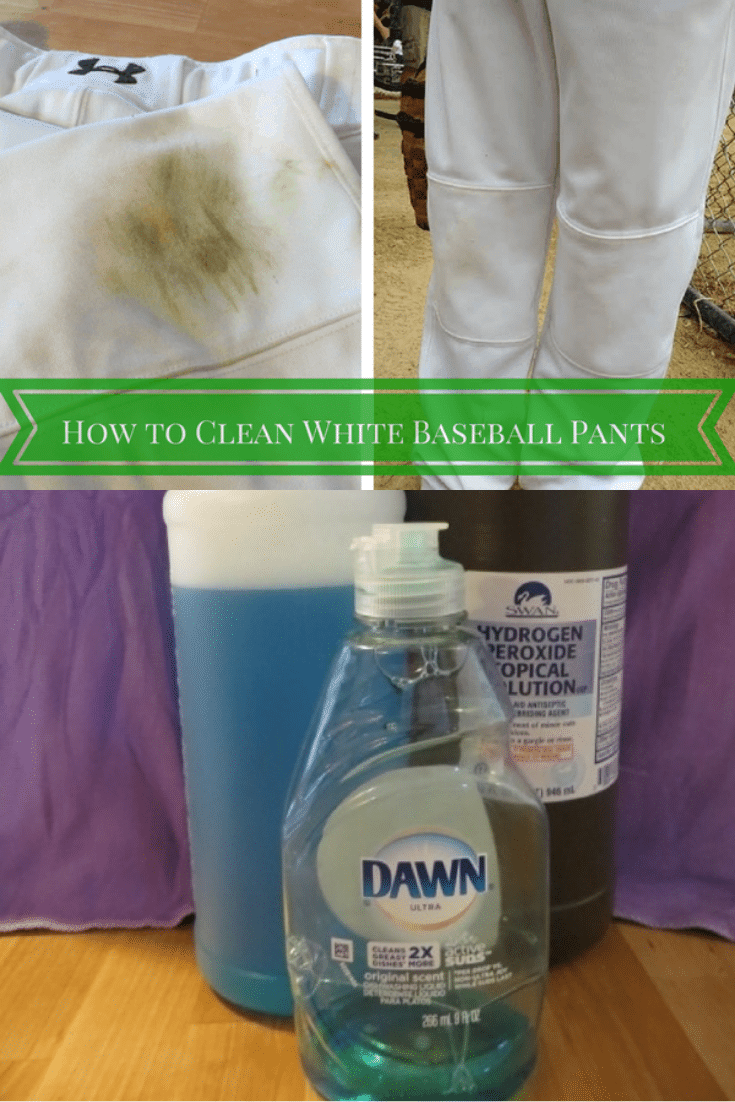
Image Source: bloggingmomof4.com
The Battle Against Baseball Grime
White baseball pants are iconic, a symbol of the sport’s purity and tradition. However, they are also a magnet for dirt, grass stains, mud stains, and the general wear and tear that comes with sliding, diving, and celebrating home runs. Effectively cleaning white fabric requires more than just tossing them in the washing machine. It involves a strategic approach to stain removal, starting from the moment the game ends.
Initial Steps: The Foundation of Cleanliness
Before you even think about the washing machine, there are crucial pre-game and post-game steps you can take. These initial actions significantly impact how easily you can remove stains later.
Immediate Action: The Sooner, The Better
- Brush Off Loose Dirt: As soon as the game is over, gently brush off any large clumps of dirt or dried mud from your pants. A soft-bristled brush or even an old toothbrush works well. This prevents the dirt from becoming deeply embedded in the fabric fibers.
- Address Wet Mud: If the pants are still damp with mud, avoid rubbing it in. Try to gently scrape off as much as possible. Running cold water through the back of the stain can also help dislodge it without spreading it further.
Pre-Treating Stains: Your First Line of Defense
Pre-treating is arguably the most critical step in successful stain removal. This process weakens the stain before it even enters the main wash cycle.
Selecting the Right Pre-Treatment
There are several effective pre-treatment options available:
- Liquid Laundry Detergent: A high-quality liquid laundry detergent is a powerhouse for pre-treating. Apply it directly to the stained areas.
- Enzyme-Based Cleaners: These cleaners are specifically designed to break down organic stains like grass and mud. Look for products that are safe for white fabrics.
- Stain Remover Sticks or Sprays: Many commercial stain removers are formulated to tackle tough stains. Follow the product’s instructions carefully.
Application Techniques for Pre-Treating
- Gentle Rubbing: After applying your chosen pre-treatment, gently rub the fabric together. You can also use a soft brush (like an old toothbrush) to work the cleaner into the stain.
- Allowing Dwell Time: Let the pre-treatment sit on the stain for at least 15-30 minutes, or as directed by the product. For tougher stains, you might let it sit for a few hours or even overnight.
Tackling Common Baseball Stains
Baseball uniforms are prone to specific types of stains that require targeted approaches.
Grass Stains: The Green Menace
Grass stains are notorious for their vibrant green hue and tendency to cling stubbornly to fabric.
Breaking Down Chlorophyll
The key to removing grass stains lies in breaking down the chlorophyll, the pigment that gives grass its color.
- Enzyme Power: Enzyme-based stain removers are particularly effective against grass stains because enzymes are biological catalysts that break down organic matter.
- Alcohol’s Role: Isopropyl alcohol (rubbing alcohol) can also be a surprisingly effective solvent for grass stains. Apply it to the stain with a cotton ball and blot gently.
Steps for Grass Stain Removal:
- Pre-treat: Apply a liquid laundry detergent or an enzyme-based cleaner directly to the grass stain.
- Scrub Gently: Use a soft brush to work the cleaner into the fabric.
- Soak (Optional but Recommended): For stubborn grass stains, soaking the pants in a solution of cool water and your chosen cleaner for a few hours can make a significant difference.
- Wash: Wash the pants as usual in cool or warm water.
Mud Stains: The Earthy Obstacle
Mud stains, especially when dried, can be a real challenge. The dirt particles can penetrate deep into the fabric fibers.
The Art of Mud Removal
- Let it Dry (Mostly): While immediate action is usually best, for mud, it’s often beneficial to let it dry completely. Once dry, you can often brush off a significant portion of the mud before it gets wet and smeared.
- Cold Water First: Always start with cold water when dealing with mud. Hot water can set the stain, making it harder to remove.
Steps for Mud Stain Removal:
- Brush Off Dry Mud: Once the mud is dry, brush off as much as you can with a stiff brush.
- Pre-treat: Apply liquid laundry detergent directly to the mud stain.
- Soaking Stains: For deeply embedded mud stains, soaking the affected area in a solution of cold water and laundry detergent or a laundry booster for a few hours is highly recommended. This allows the detergent to work its way into the mud particles.
- Gentle Scrubbing: After soaking, gently scrub the stain with a soft brush.
- Wash: Wash the pants in cold water with your regular laundry detergent.
Advanced Stain Removal Techniques
When standard pre-treatment isn’t enough, it’s time to bring out the heavy hitters.
The Power of Soaking Stains
Soaking is a fantastic method for loosening deeply ingrained dirt and stains. It allows cleaning agents more time to break down the stain molecules.
Soaking Solutions:
- Detergent Soak: Dissolve a good amount of your regular laundry detergent in a tub or basin of cool water. Submerge the stained pants and let them soak for several hours, or even overnight, for tough stains.
- Oxygen Bleach Soak: For whites, an oxygen bleach (like OxiClean) is a safe and effective option. Mix the oxygen bleach with cool water according to package directions and soak the pants. Oxygen bleach works by releasing oxygen molecules that help break down stains without damaging fabric fibers like chlorine bleach can.
Laundry Boosters: Amplifying Cleaning Power
A laundry booster can significantly enhance your cleaning efforts, especially for heavily soiled white fabric.
Types of Laundry Boosters:
- Borax: Borax is a natural mineral that acts as a water softener and a laundry booster. It helps lift stains and brightens whites. Add it to your wash cycle along with your regular detergent.
- Washing Soda: Washing soda (sodium carbonate) is another effective booster that helps lift grease and grime. Use it sparingly, as it can be quite potent.
The Role of Bleach: Use with Caution
While chlorine bleach can be a powerful tool for cleaning white fabric, it should be used with extreme caution on baseball pants, especially if they have any colored trim or lettering.
Bleach Best Practices:
- Spot Test: Always test bleach on an inconspicuous area of the pants first to ensure it doesn’t damage the fabric or cause discoloration.
- Dilute: Never apply undiluted bleach directly to the fabric. Dilute it with water according to product instructions.
- Oxygen Bleach is Safer: As mentioned, oxygen bleach is generally a safer and more effective alternative for general whitening and stain removal on most fabrics.
The Washing Machine: Your Ally in Cleanliness
Once you’ve pre-treated and possibly soaked your pants, it’s time for the main wash.
Washing Machine Settings:
- Water Temperature: For most stains, especially grass and mud, cool or warm water is best. Hot water can set some stains. Check the care label on your pants.
- Cycle Selection: A normal or heavy-duty cycle is usually appropriate.
- Load Size: Don’t overcrowd the washing machine. Give the pants enough room to move freely for a thorough clean.
Detergent Usage:
- High-Quality Detergent: Use a good quality laundry detergent. For whites, consider a detergent specifically formulated for whites, which often contains optical brighteners.
- Add Boosters: This is where you can add your borax or washing soda if you’re using them.
Post-Wash Inspection: Catching Lingering Stains
This is a crucial step that many people overlook.
The Importance of Checking Before Drying
- Never Machine Dry a Stained Item: Heat from the dryer will permanently set any remaining stains, making them virtually impossible to remove.
- Inspect Thoroughly: After the wash cycle is complete, carefully inspect the pants, especially the areas that were heavily stained. Hold them up to the light to catch any subtle marks.
Dealing with Lingering Stains
If you still see traces of stains after washing:
- Re-treat: Apply your chosen pre-treatment again to the affected areas.
- Soak Again: Consider another soak, perhaps for a longer duration or with a stronger solution.
- Try a Different Method: If grass stains didn’t fully come out, try an alcohol-based method. If mud stains are persistent, try an enzyme cleaner.
- Wash Again: Repeat the washing process.
Drying Your White Baseball Pants
Once you are absolutely certain all stains are gone, you can proceed to drying.
Air Drying vs. Machine Drying
- Air Drying (Recommended): Air drying is the safest option for white baseball pants. Hang them in a well-ventilated area, preferably outdoors in the sun. Sunlight is a natural bleaching agent and can help further brighten whites.
- Machine Drying: If you must use a machine dryer, use a low heat setting. High heat can damage the fabric and potentially set any microscopic stains you might have missed.
Maintaining Your White Baseball Pants: Proactive Measures
Preventative care is as important as reactive cleaning when it comes to baseball uniform care.
Pre-Game Preparation
- Consider a Stain Repellent Spray: Some players use fabric protector sprays on their pants to help repel dirt and moisture. Test these on a small area first to ensure they don’t alter the fabric’s appearance.
Post-Game Rituals
- Immediate Spot Cleaning: If you notice a small, fresh stain, try to address it as soon as possible. A damp cloth with a little detergent can often lift minor marks before they set.
- Proper Storage: Store your clean baseball pants in a dry, well-ventilated area. Avoid cramming them into a dirty equipment bag.
Common Challenges and Solutions
Let’s address some specific scenarios you might encounter.
Table: Stain Type and Recommended Treatment
| Stain Type | Recommended Pre-Treatment | Soaking Solution (if needed) | Notes |
|---|---|---|---|
| Grass | Liquid laundry detergent, enzyme cleaner | Cool water + detergent or oxygen bleach | Chlorophyll breaks down best with enzymes. |
| Mud | Liquid laundry detergent, mild soap | Cold water + detergent or laundry booster | Let mud dry before brushing off. Always use cold water initially. |
| Pitcher’s Mud | Specific stain removers for clay/dirt, liquid detergent | Cold water + detergent | Pitcher’s mud can be tougher due to clay composition. |
| Grease/Oil | Dish soap (cuts grease), pre-wash stain remover | Warm water + detergent | Dish soap is excellent for breaking down grease. |
| Sweat Stains | Baking soda paste, hydrogen peroxide (spot test first) | Warm water + oxygen bleach | Sweat can cause yellowing. Hydrogen peroxide is a mild bleach. |
| Red Dirt | Liquid laundry detergent, specialized dirt stain remover | Cool water + detergent | Red dirt can be particularly stubborn. |
Specific Fabric Considerations
Most modern baseball pants are made from durable synthetic blends, often polyester and spandex. These fabrics are generally resilient to cleaning, but always check the care label.
- Polyester: Resists wrinkles and is relatively easy to clean.
- Spandex/Elastane: Provides stretch but can be sensitive to high heat and harsh chemicals.
Frequently Asked Questions (FAQ)
Q1: What is the best way to get dried mud out of white baseball pants?
The best way to tackle dried mud is to let it dry completely. Then, brush off as much as you can. Pre-treat the remaining stain with liquid laundry detergent and then soak the pants in cool water with detergent or a laundry booster for several hours before washing.
Q2: Can I use bleach on my white baseball pants?
Yes, you can use bleach, but with caution. Chlorine bleach can be harsh and may damage certain fabrics or trims. It’s generally safer to use oxygen bleach, which is effective for whitening and stain removal without the harshness of chlorine bleach. Always spot test first.
Q3: How do I prevent grass stains from setting?
The key is to pre-treat grass stains as soon as possible. Apply a liquid laundry detergent or an enzyme-based stain remover directly to the stain and let it sit for at least 15-30 minutes before washing. Avoid using hot water initially, as it can set the stain.
Q4: What is a laundry booster?
A laundry booster is an additive you put in your washing machine to enhance the cleaning power of your regular detergent. Common laundry boosters include borax and washing soda, which help with stain removal, water softening, and brightening whites.
Q5: How often should I wash my baseball pants?
It’s best to wash your baseball pants after every game or practice to prevent dirt and stains from becoming permanent.
By following these detailed steps and employing the right techniques for stain removal and cleaning white fabric, you can keep your white baseball pants looking sharp and ready for every game. Consistent baseball uniform care will ensure your whites remain a source of pride, not a point of frustration.