
Becoming a youth baseball umpire is a rewarding way to stay involved in the sport you love, contribute to your community, and earn some extra money. So, how do you become a youth baseball umpire? You typically need to complete training, get certified through an organization, and acquire the necessary equipment. This guide will walk you through every step of your journey to the diamond.
The world of youth baseball relies on the dedication and skill of its umpires. These individuals are the guardians of the game, ensuring fair play, enforcing the rules, and helping young athletes learn valuable lessons beyond just hitting and fielding. If you’ve ever watched a game and thought, “I could do that,” you’re in the right place. This in-depth guide will provide you with a clear roadmap to become a youth baseball umpire, covering everything from initial training to managing a game effectively.
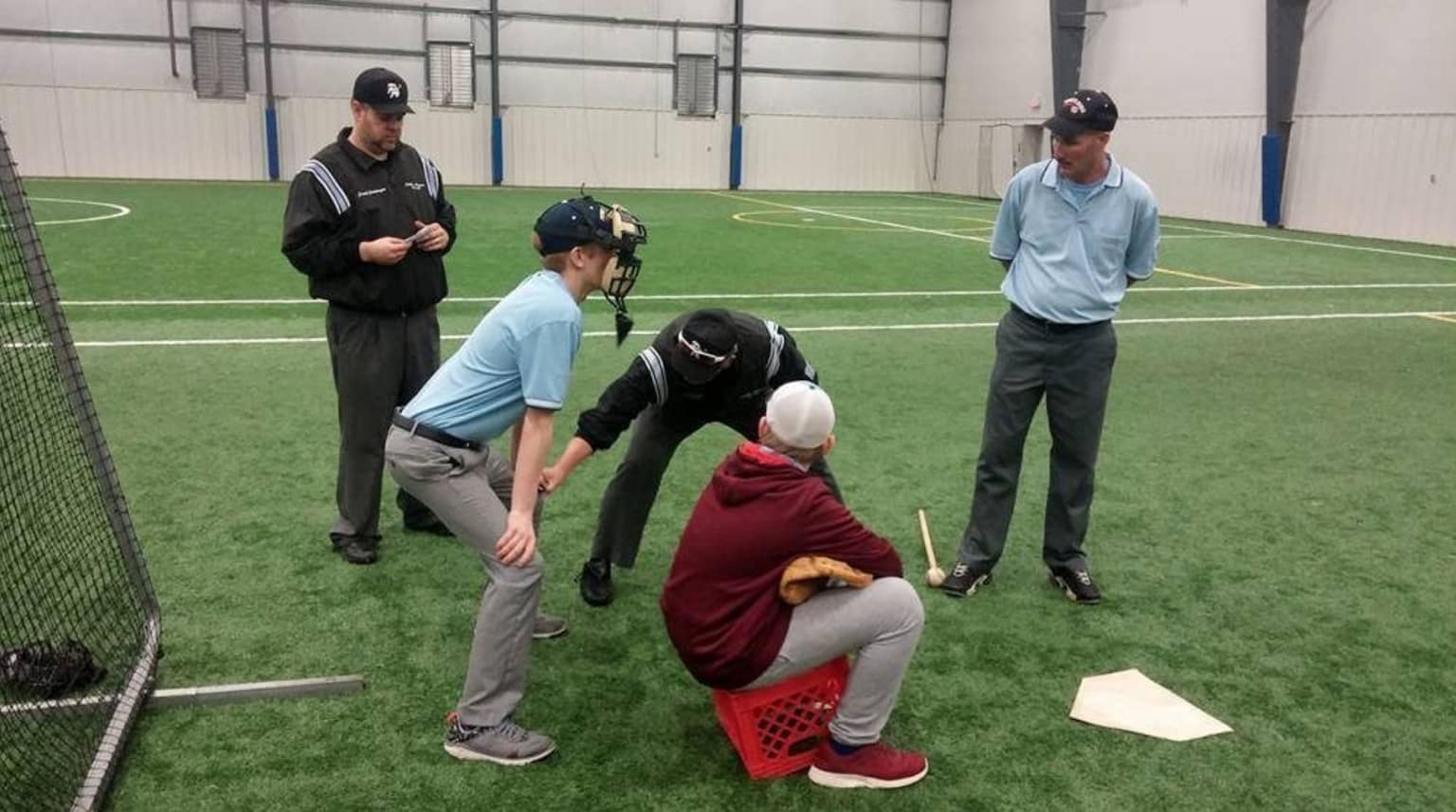
Image Source: res.cloudinary.com
Laying the Groundwork: Why Become a Youth Baseball Umpire?
Before diving into the mechanics, let’s explore the compelling reasons why umpiring youth baseball is a fulfilling endeavor. It’s more than just calling balls and strikes; it’s about shaping young lives and fostering a positive sporting environment.
The Rewards of the Plate and the Bases
- Staying Connected to the Game: If you have a passion for baseball but no longer play, umpiring is a fantastic way to remain an active participant. You’ll be on the field, close to the action, and immersed in the sport.
- Contributing to Youth Development: You play a crucial role in the development of young athletes. You help teach them about sportsmanship, respect for authority, the importance of rules, and how to handle both success and failure gracefully.
- Earning Income: While not a primary driver for many, youth baseball umpiring jobs can provide a decent supplement to your income. The youth baseball umpire salary varies depending on experience, league, and location, but it’s a tangible benefit.
- Developing Essential Skills: Umpiring hones your communication skills, decision-making abilities, conflict resolution techniques, and your capacity to remain calm under pressure. These are transferable skills valuable in all aspects of life.
- Community Involvement: You become an integral part of your local baseball community, interacting with players, coaches, parents, and other officials.
Navigating the Path: Your Journey to Umpiring
The process of becoming a youth baseball umpire generally involves several key stages. Each step is designed to equip you with the knowledge and skills needed to confidently officiate games.
Step 1: Researching Local Leagues and Organizations
The first practical step is to identify the youth baseball leagues and youth baseball umpire associations in your area. Different organizations may have slightly different youth baseball umpire requirements and training programs.
Key Organizations to Consider:
- Little League Baseball: The most widely recognized youth baseball organization.
- Babe Ruth League: Another prominent national organization.
- Cal Ripken Baseball: A division of Babe Ruth League for younger players.
- PONY Baseball and Softball: Stands for “Protect Our Nation’s Youth.”
- Local Municipal Leagues: Many towns and cities run their own independent youth baseball programs.
Action: Visit the websites of these organizations, contact your local parks and recreation department, or simply ask coaches and parents in your community which leagues are most active.
Step 2: Completing Youth Baseball Umpire Training
This is arguably the most critical phase. Comprehensive youth baseball umpire training is essential for performing your duties effectively and fairly. Training covers the fundamental youth baseball umpire rules, mechanics of calling balls and strikes, positioning on the field, and game management.
What Does Training Typically Cover?
- The Official Baseball Rules: You’ll learn the core rules of baseball, including specific interpretations for youth leagues (which often have modified rules for younger age groups).
- Mechanics: This includes how to position yourself behind the plate, how to signal outs, fair balls, foul balls, and other plays. It also covers base umpire positioning and responsibilities.
- Game Management: Learning how to manage the pace of the game, communicate effectively with coaches and players, and handle challenging situations.
- Rules for Specific Age Groups: Youth baseball rules can differ significantly from professional baseball, especially for younger players (e.g., pitch counts, balks, leadoff rules).
- Plate Discipline: Developing a consistent strike zone and the confidence to call pitches accurately.
- Base Umpire Responsibilities: Covering force plays, tag plays, obstruction, interference, and other situations at the bases.
How to Get Certified as a Youth Baseball Umpire:
Certification is usually the outcome of completing approved training programs. Most youth baseball umpire associations offer their own training courses or work with recognized umpire schools.
- Local Association Clinics: Many local leagues or umpire associations run clinics and training sessions, often before the season begins. These are usually the most accessible and affordable options.
- Umpire Schools: For those seeking more in-depth instruction or aiming for higher levels of play, specialized umpire schools exist. These can be more intensive and costly but offer comprehensive education.
- Online Resources and Webinars: Some organizations provide online training modules and webinars that can supplement in-person instruction.
Tip: Look for training programs that emphasize hands-on practice, such as working simulated games or drills.
Step 3: Acquiring Essential Youth Baseball Umpire Equipment
Having the right youth baseball umpire equipment is crucial for your safety and for performing your job efficiently. While some leagues might provide basic gear, it’s generally expected that umpires will own their own professional kit.
Must-Have Umpire Gear:
- Umpire Mask: A well-fitting, certified mask is paramount for your safety.
- Chest Protector: This protects your torso from foul tips and errant pitches.
- Shin Guards: Essential for protecting your legs and feet.
- Umpire Indicator: A small device to track balls, strikes, and outs.
- Umpire Brush: Used to clear home plate of dirt and debris.
- Umpire Plate Brush: A larger brush for cleaning the plate.
- Navy Blue or Black Umpire Pants: These are standard professional attire.
- Umpire Shirt: Typically powder blue, navy, or black, depending on league rules.
- Umpire Cap: Usually black or navy.
- Ball Bag: A pouch or bag to carry extra baseballs.
- Plate Brush Holder: To attach to your belt.
- Sturdy Umpire Shoes or Boots: Providing good ankle support and traction.
- Socks: Typically black or navy blue.
- Black Belt: To complete the uniform.
Table: Basic Umpire Equipment Checklist
| Item | Description | Importance |
|---|---|---|
| Umpire Mask | Protects the face from pitches and foul balls. | Critical Safety |
| Chest Protector | Protects the torso and throat from impact. | Critical Safety |
| Shin Guards | Protects legs and feet from errant pitches. | Critical Safety |
| Indicator | Tracks balls, strikes, and outs for game management. | Essential Function |
| Umpire Pants | Standard uniform, typically navy blue or black. | Professionalism |
| Umpire Shirt | Standard uniform color (e.g., powder blue, navy). | Professionalism |
| Umpire Cap | Standard uniform color (e.g., black, navy). | Professionalism |
| Ball Bag | Carries extra baseballs during the game. | Game Continuity |
| Plate Brush | Cleans dirt and debris from the batter’s box. | Game Management |
| Umpire Shoes | Provide support, traction, and protection. | Safety & Comfort |
Budgeting for Gear: Expect to spend a few hundred dollars on a good quality set of protective gear. Investing in durable equipment is wise for both your safety and longevity in umpiring.
Step 4: Getting Certified and Registered
Once you’ve completed training and acquired your equipment, the next step is official youth baseball umpire certification. This usually involves registering with a youth baseball umpire association or the specific league you intend to work for.
The Certification Process:
- Application: Submit an application to the relevant umpire association or league.
- Background Check: Many organizations require a background check to ensure the safety of the children.
- Fees: There may be annual registration or membership fees.
- Passing an Exam: Some certifications might include a written or practical exam on the rules and mechanics.
Why is Certification Important?
- Demonstrates Competence: It shows that you have met the organization’s standards for knowledge and skill.
- Eligibility: Many leagues will only allow certified umpires to officiate their games.
- Insurance: Certification often provides access to liability insurance, which is important for umpires.
- Access to Games: Certified umpires are typically the first ones to be offered game assignments.
Step 5: Seeking Youth Baseball Umpiring Jobs and Assignments
With your training complete and certification in hand, you’re ready to start seeking youth baseball umpiring jobs.
Where to Find Assignments:
- League Assignors: Most leagues have an umpire assignor who distributes game schedules. Once registered, you’ll likely be put on their contact list.
- Umpire Association Websites: Your association may have an online portal where you can view and accept available games.
- Networking: Talk to other umpires, coaches, and league officials. Word-of-mouth referrals can be valuable.
- Direct Contact: If you know of specific leagues that need umpires, reach out to their league directors or athletic coordinators directly.
Tip: Be prepared to work a variety of age groups and skill levels when you’re starting out. Flexibility is key to gaining experience.
Mastering the Craft: Key Aspects of Youth Baseball Umpiring
Being a youth baseball umpire involves more than just knowing the rules. It requires a specific mindset and a commitment to continuous improvement.
Fathoming the Youth Baseball Umpire Rules
While the core of baseball youth baseball umpire rules remain consistent, youth leagues often have modifications. It’s crucial to be aware of these.
Common Youth League Rule Variations:
- Pitch Counts: Strict limits on the number of pitches a young pitcher can throw to protect their arms.
- Balks: In younger divisions, balks might not be called, or they are called differently to keep the game moving.
- Leadoffs and Stealing: Rules on when and how players can lead off bases or steal can vary.
- Dropped Third Strikes: In some leagues, a batter is automatically out on a dropped third strike, even if the catcher doesn’t catch the ball cleanly.
- Coach Pitch: Leagues for the youngest players might have a coach pitching to the batters.
- Game Length: Games are often shorter, with time limits or a set number of innings.
Action: Always obtain a copy of the specific rulebook for the league you are umpiring for and study it thoroughly.
Developing Your Umpire Mechanics
Good mechanics are vital for calling close plays accurately and safely.
Plate Umpire Mechanics:
- Stance: A comfortable, athletic stance that allows for quick movement.
- Strike Zone: Establishing a consistent strike zone based on the batter’s stance. This is one of the most challenging but crucial aspects of umpiring.
- Tracking Pitches: Following the ball from the pitcher’s hand to the catcher’s mitt, paying attention to its trajectory and location.
- Calling Balls and Strikes: Clear, confident verbal calls and appropriate hand signals.
- Follow-through: Completing your motion after the call to maintain balance and prepare for the next pitch.
Base Umpire Mechanics:
- Positioning: Being in the right place at the right time to make a call on force plays, tag plays, and fair/foul calls.
- Footwork: Proper footwork is essential for getting into the correct position for plays.
- Timing: Accurately judging whether a runner is safe or out at a base.
- Signals: Using clear and universally understood signals for outs, safes, and other calls.
Game Management and Communication
Effective game management is what separates a good umpire from a great one.
- Pre-Game Conference: Meet with coaches before the game to discuss rules, expectations, and to introduce yourself.
- Communication: Speak clearly and respectfully with players, coaches, and parents. Avoid arguing.
- Staying Neutral: Maintain an unbiased demeanor throughout the game.
- Handling Ejections: Know when and how to eject a player or coach who is consistently abusive or disruptive. This should be a last resort.
- Pacing the Game: Keep the game moving, but also allow for necessary breaks and strategic discussions.
Advancing Your Umpiring Career
Once you’ve gained experience, you might consider advancing your skills and opportunities.
Improving Your Skills and Knowledge
- Attend Advanced Clinics: Look for clinics that focus on specific mechanics or advanced rule interpretations.
- Watch Experienced Umpires: Observe how seasoned umpires handle different situations.
- Seek Feedback: Ask more experienced umpires for constructive criticism on your performance.
- Study: Continually review the rulebook and casebook.
Moving to Higher Levels
As you become more proficient, you may be able to umpire for older age groups or more competitive leagues. This often requires additional training and a proven track record. Some umpires transition into higher levels of amateur or even professional baseball.
Frequently Asked Questions About Becoming a Youth Baseball Umpire
Q1: What is the typical youth baseball umpire salary?
A1: The youth baseball umpire salary can vary widely. For youth leagues, umpires might earn anywhere from $30 to $80 or more per game, depending on the age group, league, experience level, and geographic location. Experienced umpires at higher levels of youth play can earn more.
Q2: How old do you need to be to become a youth baseball umpire?
A2: Generally, you need to be at least 16 or 18 years old to umpire youth baseball, though some leagues may have lower age requirements for assisting in younger divisions. This is often tied to the ability to complete training and manage games responsibly.
Q3: Can I umpire without prior baseball experience?
A3: Yes, absolutely! While playing experience can be helpful, it’s not a prerequisite. Many excellent umpires come into the role with no playing background. The crucial element is a willingness to learn the youth baseball umpire rules and a commitment to fair play.
Q4: How long does it take to get certified as a youth baseball umpire?
A4: The time it takes to get certified varies. A basic certification through a local league might only take a weekend or a few evenings of training. More comprehensive certifications or those from national organizations could involve more extensive coursework and evaluation over a longer period.
Q5: Who is responsible for assigning games to youth baseball umpires?
A5: Typically, a league or a youth baseball umpire association will have an umpire assignor. This individual is responsible for scheduling umpires for all the games within their purview.
Q6: What are the most common challenges faced by youth baseball umpires?
A6: Umpires often face challenges such as managing parent or coach behavior, dealing with disagreements over calls, ensuring fair play in games with wide skill gaps, and staying physically and mentally sharp throughout long game days.
Embarking on the path to become a youth baseball umpire is a journey that requires dedication, learning, and a passion for the game. By following these steps, completing your youth baseball umpire training, and acquiring the necessary youth baseball umpire equipment, you’ll be well on your way to enjoying a rewarding role on the baseball field. The youth baseball umpire association in your area is your best resource for specific details and local opportunities. So, suit up, learn the youth baseball umpire rules, and get ready to make your mark on youth baseball. The diamond awaits!