
So, you want to know how to be a baseball catcher? A catcher is the general of the baseball field, the one who sees everything. They guide the pitchers, defend home plate, and are the backbone of the defense. If you’re ready to take on this crucial role, this guide will equip you with everything you need to know.
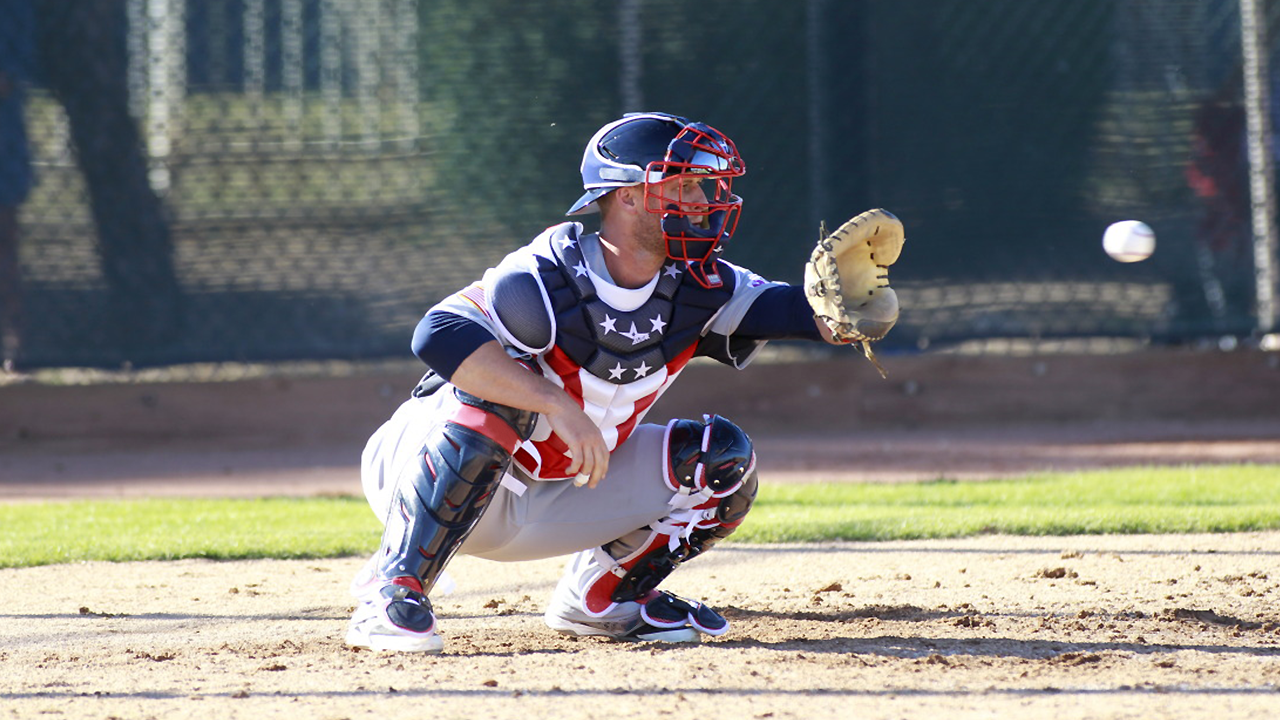
Image Source: res.cloudinary.com
The Essential Gear for a Catcher
First things first, you need the right equipment. Being a catcher means facing fastballs, foul tips, and the occasional collision at home plate. Proper catcher gear is non-negotiable for safety and performance.
The Catcher’s Helmet and Mask
This is your first line of defense for your head. A good catcher’s helmet and mask combo protects against errant pitches and foul balls. Look for a design that offers a snug fit and good visibility.
- Helmet: Should be well-padded and meet safety standards.
- Mask: The cage should provide clear sightlines while offering maximum protection for your face.
Chest Protector
This piece of equipment shields your torso from direct impact. It should fit comfortably and allow for a good range of motion.
- Coverage: Ensure it covers your chest and abdomen adequately.
- Padding: Look for dense padding that absorbs impact effectively.
Leg Guards
Protecting your shins and knees is vital. Leg guards should be sturdy, well-padded, and secure on your legs.
- Ankle Protection: Good leg guards will also offer protection for your ankles.
- Mobility: They shouldn’t restrict your ability to move quickly.
Catcher’s Mitt
This is your primary tool for receiving pitches. A catcher’s mitt is larger and more heavily padded than a standard fielder’s glove.
- Size: Typically between 32.5 and 34 inches.
- Break-in: A proper break-in process is crucial for feel and control.
Other Essential Gear
- Throat Protector: An often overlooked but important piece that attaches to the mask.
- Cup: Always wear a protective cup.
- Shin Guards: Some catchers prefer additional shin guards worn under their leg guards for extra protection.
Mastering the Catcher Stance
Your catcher stance is the foundation of your game. It dictates your ability to receive pitches, block balls, and throw out runners. A good stance is athletic, balanced, and ready for action.
The “Zero” or “Low” Stance
This is the most common and effective stance.
- Feet Placement: Feet should be shoulder-width apart, or slightly wider, for balance.
- Knee Bend: Bend your knees deeply. Your thighs should be nearly parallel to the ground.
- Torso Angle: Lean forward from your hips, keeping your back relatively straight. Your chest should be over your thighs.
- Glove Position: Your glove should be positioned low, between your feet, creating a target for the pitcher.
- Head Position: Keep your head up and eyes focused on the pitcher.
The “Game” or “Medium” Stance
This stance is slightly more upright, used when there are runners on base, and you might need to throw.
- Feet Placement: Similar to the low stance, but perhaps slightly closer together.
- Knee Bend: Less bent than the low stance, allowing for quicker movement.
- Torso Angle: More upright, with a slight forward lean.
- Glove Position: Glove is still down, but may be slightly higher than in the low stance.
- Head Position: Eyes remain locked on the pitcher.
The “High” or “Ready” Stance
This stance is typically used with no runners on or when a pickoff throw is anticipated.
- Feet Placement: Feet closer together.
- Knee Bend: Minimal knee bend, more of an athletic crouch.
- Torso Angle: Nearly upright.
- Glove Position: Glove is generally held higher, ready to receive the pitch or make a quick throw.
- Head Position: Head up, scanning the field.
Key Principles for Any Stance
- Balance: Always feel balanced and ready to move in any direction.
- Athleticism: Stay on the balls of your feet.
- Target: Present a consistent, visible target.
- Flexibility: Be able to adjust your stance based on the pitcher, the count, and the game situation.
Framing Pitches: The Art of Making a Strike Look Like a Strike
Framing pitches is a critical skill for catchers. It’s about using your body and glove to subtly influence the umpire’s perception of a pitch, turning borderline calls into strikes.
The Mechanics of Framing
- Soft Hands: Your receiving needs to be soft. Don’t “muscle” the ball into the glove. Let the ball enter your glove.
- Receive and Receive: Your primary job is to catch the ball cleanly. Framing is secondary to that.
- Glove Control: Once the ball is in the glove, use subtle movements to “steal” the strike zone. This involves:
- “Catch and Hold”: Receive the pitch, then move your glove towards the strike zone if it’s borderline.
- “Catch and Receive”: Receive the pitch with a slight upward flick of the wrist as the ball enters the glove. This can make a pitch low appear to be in the zone.
- “Catch and Hide”: For pitches on the corner, keep your glove still, making it appear as if the pitch was right there.
- Body Positioning: Your body should be positioned so that your glove can move towards the strike zone without appearing obvious.
- Consistency: Develop a consistent framing technique for different pitch locations.
What Not to Do
- Don’t move before the ball arrives: This is a dead giveaway.
- Don’t flip your glove: This looks unnatural and can be spotted by umpires.
- Don’t reach for the ball: Receive it where it is.
- Don’t be dramatic: Subtle movements are key.
Blocking Balls: The Unsung Hero of Pitch Prevention
Blocking balls is arguably the most physically demanding and important aspect of a catcher’s job. Preventing passed balls and wild pitches keeps runners from advancing and builds confidence in your pitcher.
The Fundamentals of Blocking
- Get in Front: The primary rule is to get your body in front of the ball.
- Athletic Setup: Maintain a low, athletic stance.
- “Alligator” or “Pancake”:
- For Low Pitches: Drop into a squat, get your chest over your knees, and extend your glove and mitt low to the ground. Your mitt should be “cupped” to catch the ball.
- “Pancake”: Use your bare hand to cover the ball if it gets by your glove. Your hand should be flat, like a pancake, to prevent the ball from rolling out.
- Soft Hands: Even when blocking, your receiving needs to be soft.
- Protect the Plate: Keep your body between the ball and home plate.
- Stay Down: After blocking, try to stay low to make a play on a runner or receive the next pitch.
- “Wedge” the Ball: Aim to trap the ball between your glove and your chest or body.
Common Blocking Mistakes to Avoid
- Popping up too soon: Don’t stand up before you’ve secured the ball.
- Not getting your body in front: This leads to passed balls.
- Reaching for the ball: Get in position to block it.
- Panic blocking: Stay calm and focused.
Throwing Out Runners: The Catcher’s Arm Talent
Throwing out runners is a critical defensive responsibility for a catcher. It requires a strong, accurate arm, quick footwork, and a good understanding of game situations.
The Mechanics of a Catcher’s Throw
- Receive the Pitch: Secure the pitch cleanly with soft hands.
- Glove-to-Hand Transfer: This is the most crucial step. Transfer the ball from your glove to your throwing hand as quickly and smoothly as possible. Practice this transfer until it’s automatic.
- “Flash and Throw”: Some catchers practice a quick “flash” of their glove and then the throw, minimizing the time the ball is out of sight.
- Footwork:
- To the Right (for right-handed throwers): As you receive a pitch on the right side of the plate, your left foot will naturally be in a good position to plant. Pop up, pivot your left foot towards the target, and throw.
- To the Left (for left-handed throwers): As you receive a pitch on the left side of the plate, your right foot will be the planting foot. Pop up, pivot your right foot towards the target, and throw.
- “Throwing Side Step”: For pitches right down the middle, you might need to take a small sidestep with your foot that’s closest to the throwing lane to get your body turned.
- Arm Action: A quick, compact arm swing is essential.
- Aim Point: Aim for the middle of the bag or the infielder’s chest.
Factors Influencing Throwing Success
- Pop Time: The time it takes from the moment the ball hits your mitt to the moment it reaches the fielder’s glove. Aim for a pop time under 2.0 seconds.
- Accuracy: A strong arm is useless without accuracy.
- Arm Strength: Developed through consistent practice and conditioning.
- Game Awareness: Knowing when to throw and when not to throw.
Catcher Communication: The Voice of the Defense
Catcher communication is paramount. You’re the only player with a full view of the field and the only one who can direct the defense.
Talking to the Pitcher
- Call the Pitch: Work with the pitcher to decide on the pitch call.
- Encouragement: Offer positive reinforcement and encouragement.
- Corrections: Gently guide the pitcher if they are missing their spots or making mistakes.
- Body Language: Use subtle signals with your glove and body.
Directing the Infielders
- Coverage: Let fielders know who is covering bases or if a cut-off man is needed.
- Pop-ups: Call for fly balls clearly and decisively.
- Bunts: Direct the charging infielder to the ball.
- Runners: Alert fielders to the position of runners.
Calling Pitches
- Calling pitches is a complex skill that develops over time. It involves:
- Scouting Reports: Knowing the hitters’ strengths and weaknesses.
- Pitcher’s Strengths: Understanding your pitcher’s best pitches and how they are performing that day.
- Game Situation: Considering the count, runners on base, score, and inning.
- “Reading” the Hitter: Observing the batter’s stance, swing tendencies, and body language.
- Collaboration: While catchers often call pitches, it’s a collaborative effort with the pitcher and coaching staff.
Catcher Drills: Sharpening Your Skills
Consistent practice with specific baseball catcher drills is key to improvement.
Receiving Drills
- Soft Toss: Have a partner toss balls gently to your mitt. Focus on soft hands and keeping the ball in the pocket.
- Wall Toss: Stand facing a wall and throw the ball against it, catching it with your mitt. Vary the distance and speed.
- “Figure 8” Receiving: Stand and have a partner toss balls to your left and right. Practice smooth glove-to-hand transfers while staying in your athletic stance.
Blocking Drills
- “Pop and Scoop”: Have a partner roll or toss balls to your left and right. Practice getting into your blocking position, trapping the ball, and popping up quickly to make a play.
- “Block and Throw”: Combine blocking with a quick throw to a base.
- “Tennis Ball Drill”: Have a partner throw tennis balls at your mitt and body while you’re in your stance. This helps develop reaction time and hand-eye coordination.
Throwing Drills
- Dry Throws: Practice your footwork and arm motion without a ball.
- Short Toss to First: Practice your glove-to-hand transfer and throw to a stationary target at short distance.
- Pickoff Throws: Practice your pickoff motion to first and second base.
- Infield Simulators: Practice throwing to bases from your catcher’s stance.
Defensive Responsibilities: More Than Just Catching
The defensive responsibilities of a catcher extend far beyond receiving pitches. You are the captain of the defense.
Protecting Home Plate
- Blocking: As discussed, this is crucial to prevent runs.
- Tagging: Knowing when and how to apply the tag to a runner trying to score. This requires timing and awareness.
- Preventing Collisions: Safely blocking the plate without impeding the runner before they have the ball is a key safety rule.
Managing the Game
- Pitching Staff: Keep the pitchers focused and confident.
- Infield Positioning: Adjust the positioning of your infielders based on the batter, the count, and the game situation.
- Situational Awareness: Know when to play the infield in, when to pitch around a batter, and when to try for a pickoff.
Understanding the Game
- Batters’ Tendencies: Know each hitter’s strengths, weaknesses, and what pitches they tend to hit.
- Runners: Keep track of runners on base, their speed, and their leads.
- Situational Baseball: Be ready for bunts, hit-and-runs, and sacrifice flies.
Putting It All Together: The Catcher’s Mindset
To truly excel as a catcher, you need more than just physical skills. A strong mental approach is essential.
Staying Focused
- Every Pitch Matters: Treat every pitch as important, regardless of the score or situation.
- Short Memory: Don’t dwell on mistakes; learn from them and move on.
- Block Out Distractions: Focus on the pitcher and the hitter.
Leadership
- Be Vocal: Communicate clearly and confidently with your teammates.
- Be the Anchor: Be the steady presence on the field, especially in high-pressure situations.
- Set the Tone: Your effort and attitude can influence the entire team.
Grit and Determination
- Play Through Pain: Catching is a tough position. You’ll get banged up, but you need to play through minor discomfort.
- Never Give Up: Always fight for every pitch and every out.
Frequently Asked Questions (FAQ)
Q1: What is the most important skill for a catcher?
A1: While many skills are vital, preventing passed balls and wild pitches through effective blocking is often considered the most crucial, as it directly impacts the pitcher’s success and the team’s ability to prevent runs.
Q2: Can I become a good catcher without a naturally strong arm?
A2: Yes, you can. While arm strength is beneficial, accuracy, a quick glove-to-hand transfer, and good footwork can often compensate for a slightly weaker arm, allowing you to still be effective at throwing out runners.
Q3: Who is responsible for calling pitches?
A3: In most professional and high-level amateur baseball, the catcher plays a significant role in calling pitches, working in conjunction with the pitcher and coaching staff. However, the head coach or pitching coach often has the final say.
Q4: How do I break in a catcher’s mitt?
A4: Breaking in a catcher’s mitt involves softening the leather through consistent use, applying glove oil or conditioner, and gently working the pocket. Many players also use methods like steaming or placing a ball in the mitt overnight to help shape it.
Q5: What are the most common injuries for catchers?
A5: Catchers are susceptible to various injuries, including knee problems (meniscus tears, ligament sprains), hand and finger injuries (bruises, jams, fractures), shoulder issues, and concussions from foul tips or collisions. Proper gear and technique are essential for prevention.
Q6: How can I improve my catcher stance?
A6: Focus on balance, keeping your knees bent deeply, and maintaining an athletic posture. Practice holding the stance for extended periods and work on your transitions between different stances (low, medium, high) to improve agility.
Q7: What is the best way to practice framing pitches?
A7: Practice receiving pitches with soft hands and subtle glove movements. Work on presenting a consistent target and practice “catching and holding” or “catching and receiving” techniques. Having a partner or coach provide feedback on your framing is highly beneficial.
Q8: How important is communication for a catcher?
A8: Communication is absolutely vital. A catcher acts as the field general, directing pitchers, communicating with infielders, and making strategic calls to ensure the defense operates effectively.
Q9: What are some drills for blocking balls?
A9: Drills like the “pop and scoop,” “block and throw,” and using tennis balls for reaction training are excellent for improving blocking skills. The key is to practice getting in front of the ball and trapping it safely.
Q10: How do I get better at throwing out runners?
A10: Focus on a lightning-fast glove-to-hand transfer, quick footwork to get your body turned towards the target, and developing an accurate, strong arm. Practice pop time drills consistently.