
What is a baseball card appraisal, and can I do it myself? A baseball card appraisal is the process of determining the fair market value of a sports collectible, and yes, you absolutely can learn to do it yourself with the right knowledge and approach. This guide will walk you through the essential steps to appraise baseball cards like a seasoned professional, covering everything from deciphering condition to understanding market trends.
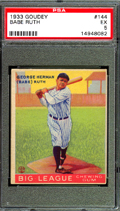
Image Source: amerlegends.com
Deciphering Baseball Card Value
The baseball card value of a card isn’t just a random number; it’s a dynamic figure influenced by a multitude of factors. To truly appraise a card, you need to look beyond the player’s name and team. It’s about a comprehensive evaluation that considers several key elements.
The Cornerstones of Baseball Card Appraisal
At its core, baseball card appraisal involves examining specific attributes of the card. These attributes determine how desirable and valuable a particular card is in the eyes of collectors and investors.
- Player Popularity and Performance: The most iconic players often command the highest prices. Think Mickey Mantle, Babe Ruth, or modern stars like Shohei Ohtani. A player’s performance on the field, their historical significance, and their overall market appeal are huge drivers of value.
- Card Rarity: How many of these cards were produced, and how many still exist in good condition? This is where baseball card rarity plays a significant role. Scarce cards are inherently more valuable.
- Card Condition: This is arguably the most critical factor. A mint condition card can be worth exponentially more than the same card in poor condition. We’ll delve deeper into baseball card condition later.
- Set and Year: Older sets, especially those considered “key” sets, often hold more value. Cards from the “junk wax era” (mid-1980s to mid-1990s) are generally less valuable due to massive print runs, while early 20th-century cards can be extremely rare and sought after.
- Card Type: Is it a base card, a rookie card, an insert, a parallel, or an autograph? Rookie cards are often the most prized, especially for Hall of Fame players. Autographed cards and rare parallels can also significantly increase value.
Fathoming Baseball Card Condition
When we talk about baseball card condition, we’re talking about the physical state of the card. This is where most of the value difference between seemingly identical cards lies. A meticulous assessment of condition is paramount for an accurate appraisal.
The Essential Elements of Card Condition
There are specific aspects to check when evaluating a card’s physical state. Think of these as the building blocks of baseball card grading.
- Corners: Are they sharp and square, or are they rounded, dinged, or frayed?
- Sharp: Pristine, no visible wear.
- Slightly Rounded: Minimal rounding, barely perceptible.
- Rounded: Noticeable rounding.
- Dinged/Frayed: Damaged edges.
- Edges: Are the edges smooth and clean, or do they show whitening, nicks, or chipping?
- Smooth: Perfectly clean.
- Slight Whitening: Very faint white marks on the edges.
- Whitening/Chipping: Visible white marks or small chips along the edges.
- Surface: Look for scratches, creases, print defects, dirt, stains, or any other blemishes.
- Clean: Free of any marks or imperfections.
- Minor Scratches: Very light, barely visible scratches.
- Major Scratches/Creases: Deep marks or folds that significantly impact the surface.
- Print Defects: Errors in the printing process.
- Centering: How well is the image on the card centered within the borders? Off-center cards are less desirable.
- Perfectly Centered: Borders are equal on all sides.
- Well-Centered: Borders are very close to equal.
- Off-Center: Noticeable difference in border width.
- Severely Off-Center: Borders are dramatically uneven.
The Official Baseball Card Condition Guide
Professional grading services use detailed guides to assess condition. While you can learn these to do a good job yourself, sending cards to a professional service like PSA (Professional Sports Authenticator) or BGS (Beckett Grading Services) provides an objective grade that collectors trust. These services assign numerical grades, typically on a scale of 1 to 10, with 10 being perfect.
Here’s a simplified look at what those grades generally represent:
| Grade | Description | Key Characteristics |
|---|---|---|
| 10 | Gem Mint (GEM-MT) | Perfect corners, edges, surface, and centering. No flaws visible, even under magnification. The card appears as it did when it left the factory. This is the pinnacle of baseball card condition. |
| 9 | Mint (MT) | Nearly perfect. May have one minor flaw, such as a slight surface imperfection or very minor edge wear, but is otherwise as crisp and clean as a Gem Mint card. |
| 8 | Near Mint-Mint (NM-MT) | Minor imperfections are allowed. May have one or two very light scratches or a slight printing imperfection. Corners and edges should be sharp with minimal wear. Centering can be slightly off. |
| 7 | Near Mint (NM) | A card that has seen light use. May have light scratches, slight whitening on the edges, or minor corner rounding. Centering might be noticeably off, but not severely. |
| 6 | Excellent-Mint (EX-MT) | Shows some signs of wear. Corners may be slightly rounded, edges may have some whitening. Surface might have a few light scratches or minor print defects. Centering is usually off. |
| 5 | Excellent (EX) | Moderate wear. Corners are noticeably rounded. Edges may show significant whitening. Surface may have several light scratches or a light crease. Card is still visually appealing but shows clear signs of handling. |
| 4 | Very Good-Excellent (VG-EX) | Obvious wear. Corners are rounded. Edges are chipped or heavily whitened. Surface may have creases, scratches, or stains. |
| 3 | Very Good (VG) | Significant wear. Corners are heavily rounded. Edges are rough. Surface has multiple creases, scratches, and possibly dirt or staining. The card is visibly worn. |
| 2 | Good (G) | Major flaws. Corners are very rounded and may be torn. Edges are damaged. Surface has numerous creases, scratches, and may be dirty or stained. The card is intact but in poor shape. |
| 1 | Poor (PR) | Severe damage. Creases, tears, missing pieces, heavy dirt, and severe edge wear are common. The card is recognizable but heavily compromised. |
Exploring Baseball Card Rarity
Baseball card rarity is a direct contributor to a card’s desirability and, consequently, its value. A card might feature a legendary player, but if millions were printed, its individual value will be limited.
Types of Rarity
Rarity can manifest in several ways within the world of baseball card collecting.
- Low Print Run: Cards produced in smaller quantities from the outset are inherently rarer. This was common in the early days of card production.
- Limited Edition Inserts/Parallels: Modern sets often include special versions of cards (e.g., autographed, numbered parallels, special inserts) that are produced in limited numbers. These are explicitly designed to be rare.
- High-Grade Survival Rate: Even if a card was printed in large numbers, if few have survived in good condition, the rarity of high-grade examples can drive up value. This is especially true for cards from the pre-grading era.
- Errors and Variations: Misprinted cards or variations in printing can create scarcity for specific versions of a card. For instance, a card with a player’s name misspelled or an incorrect team listed.
Assessing Baseball Card Prices and Market Value
Knowing the intrinsic factors of a card is one thing; understanding its current baseball card market value is another. This is where research and market awareness come into play.
Where to Find Baseball Card Prices
To get a solid estimate of baseball card prices, you need to consult reliable sources that track sales data.
- Online Auction Sites: Websites like eBay are invaluable. Look for completed or sold listings for the specific card you are appraising. Filter by condition and grading service if applicable. This shows what people are actually paying.
- Card Grading Service Price Guides: PSA and Beckett often have price guides or sales databases that can give you a ballpark figure, especially for graded cards.
- Card Dealer Websites: Many reputable dealers list their inventory with prices. This can give you an idea of retail prices, which are often higher than auction prices.
- Price Guide Publications: While less immediate than online resources, annual price guides can offer historical context and values for a wide range of cards.
Factors Influencing Market Value
The baseball card market value is not static. It fluctuates based on several dynamic forces.
- Current Demand: A player’s recent performance or a surge in popularity can dramatically increase demand for their cards.
- Economic Conditions: In times of economic uncertainty, luxury items like high-end collectibles may see reduced demand.
- Grading Trends: As more cards are submitted for grading, the market can become saturated with certain grades, potentially impacting prices. Conversely, a lack of high-grade examples for a specific card can drive up its value.
- Collector Sentiment: Sometimes, a card’s value is influenced by trends or a collective appreciation within the collecting community, even if it doesn’t align perfectly with objective scarcity or player performance.
The Role of Baseball Card Authentication
For valuable cards, especially those that are autographed or part of high-end sets, baseball card authentication is crucial. It verifies that the card is genuine and that any autograph is real.
Why Authentication Matters
- Legitimacy: Authentication services confirm that the card is not a counterfeit or a doctored item.
- Trust: Graded and authenticated cards are trusted by buyers and sellers, which makes them easier to trade and sell.
- Value Confirmation: Authentication, especially when combined with grading, provides an objective assessment of a card’s quality and authenticity, which directly impacts its baseball card value.
The Process of Baseball Card Appraisal: A Step-by-Step Approach
Now that you’re familiar with the core components, let’s outline the practical steps for conducting your own baseball card appraisal.
Step 1: Identify the Card
This sounds basic, but it’s essential. You need to know the exact player, year, set, and card number.
- Player Name: Is it spelled correctly?
- Year: Look for the year on the card. If not present, you may need to research the set.
- Set Name: This is often printed on the card or can be identified by the artwork, logo, and card back design.
- Card Number: Usually found on the back of the card.
Step 2: Assess the Condition
This is where you apply the baseball card condition guide knowledge.
- Examine Corners: Use good lighting and a magnifying glass if needed. Note any rounding, fraying, or dings.
- Inspect Edges: Look for whitening or chipping.
- Check the Surface: Scan for scratches, creases, print defects, dirt, or stains.
- Evaluate Centering: Compare the borders on the front and back.
Pro Tip: Compare your card to high-resolution images of cards with known grades online. This helps calibrate your eye.
Step 3: Determine Rarity
Consider the factors discussed earlier.
- Print Run: Research if the card had a high or low print run.
- Variations: Is it a common card, a rookie card, an insert, a parallel, or an error card? Rookie cards are generally the most sought after.
- Availability: How often do you see this specific card for sale, especially in similar condition?
Step 4: Research Current Prices
Use the methods outlined in the “Assessing Baseball Card Prices and Market Value” section.
- Sold Listings: Focus on completed sales of the exact card you have.
- Graded vs. Ungraded: Note the significant price difference between raw (ungraded) cards and those with professional grades.
- Market Trends: Is the player currently performing well? Is the set in demand?
Step 5: Consider Authentication (If Applicable)
If the card is autographed or exceptionally rare, consider if professional authentication is warranted. This adds to the cost but can significantly increase the card’s marketability and perceived value.
Step 6: Synthesize Your Findings
Bring all the information together.
- Condition Score: Based on your assessment and comparison to grading standards.
- Market Research: What are similar cards selling for?
- Rarity Factor: How does its scarcity influence its price?
This synthesis will lead you to an estimated baseball card market value. Remember, your appraisal is an estimate; the true value is what a buyer is willing to pay.
Modern Tools and Resources for Appraisal
The world of baseball card collecting has embraced technology. Utilize these tools to enhance your appraisal skills.
- Magnifying Glasses and Loupes: Essential for spotting subtle flaws in corners, edges, and surfaces.
- Good Lighting: A bright, consistent light source is vital for accurate condition assessment. Natural daylight is often best.
- Card Condition Apps: Some apps can help you compare your card’s condition to graded examples, though they are not a substitute for professional grading.
- Online Databases: Websites like PSA’s Auction Prices Realized and Beckett’s Price Guide are invaluable for checking sales data and pop reports (population reports, which show how many of a specific card have been graded at each level).
Common Pitfalls to Avoid in Appraisal
Even experienced collectors can make mistakes. Be mindful of these common errors.
- Overestimating Condition: It’s easy to be forgiving of a card’s flaws when it’s a favorite. Be objective.
- Ignoring Sold Listings: Relying on asking prices (what sellers want) instead of sold prices (what buyers pay) can lead to inflated valuations.
- Focusing Only on the Player: While important, a star player’s card in poor condition might be worth less than a common player’s card in gem mint condition, especially for less prominent stars.
- Not Accounting for Grading Costs: If you plan to get a card graded, factor in the grading fees and turnaround time.
- Emotional Attachment: Try to maintain an objective perspective. Your personal feelings about a card shouldn’t dictate its market value.
The Future of Baseball Card Appraisal
As the hobby evolves, so do appraisal methods.
- Data Analytics: Sophisticated data analysis of sales trends is becoming increasingly important.
- Digital Collectibles: The rise of NFTs and digital trading cards introduces new appraisal challenges and opportunities.
- Third-Party Verification: Demand for trusted, third-party grading and authentication services is likely to remain high.
Frequently Asked Questions (FAQ)
Q1: How do I know if my baseball card is rare?
A1: Rarity is determined by the card’s print run, its significance within a set (e.g., rookie card, key player), and how many have survived in good condition. Researching the card’s year, set, and looking for limited edition variations or errors are key. Checking population reports from grading companies can also give you an idea of how common or rare a graded version is.
Q2: What’s the difference between a card’s price and its value?
A2: “Value” is a more objective assessment of what a card is worth based on its condition, rarity, and market factors. “Price” is what someone is willing to pay for it at a specific moment, which can fluctuate. Your goal in appraisal is to determine the fair market value, which informs the likely price.
Q3: Can I clean my baseball cards to improve their condition?
A3: It is strongly advised not to attempt to clean or alter your baseball cards. Any attempt to “improve” a card’s condition, such as trying to fix corners or remove surface marks, is considered alteration and will drastically reduce its value, often leading to a “altered” designation by grading services, which is highly undesirable.
Q4: Is it worth getting my cards professionally graded?
A4: It is often worth it for cards that are rare, historically significant, or in exceptionally good condition. Professional grading provides an objective assessment of condition and authenticity, which can significantly increase a card’s marketability and value, making it easier to sell at its true market price. For common cards or those in poor condition, the cost of grading may outweigh the potential increase in value.
Q5: Where can I find definitive baseball card prices?
A5: There isn’t one single source for definitive prices, as the market is dynamic. However, the most reliable method is to research completed sales on major auction sites like eBay for the exact card you have. Consulting price guides from reputable grading services like PSA and Beckett can also provide valuable data points.
By diligently following these steps and continuously educating yourself about the baseball card market, you can become adept at appraising baseball cards, whether for personal knowledge, insurance purposes, or to make informed buying and selling decisions in the exciting world of baseball card collecting.