
So, how much does a Major League Baseball bat cost? A brand new MLB-approved wood bat typically ranges from $100 to $200, with some premium models or custom orders exceeding that. For aluminum or composite bats used in youth or amateur leagues, prices can vary from $50 to $400 or more, depending on the material, brand, and technology.
The world of baseball is filled with iconic imagery: the crack of the bat, the roar of the crowd, and the slugger connecting for a home run. But behind every swing, there’s a tool of the trade, and for professional players, that tool is a carefully crafted baseball bat. The baseball bat cost for a Major League player’s lumber is often a topic of curiosity, and the answer isn’t as simple as a single price tag. Many factors influence MLB bat prices, from the wood used to the personal preferences of the MLB player bat. Let’s delve deep into what makes a professional baseball bat tick and how much it truly costs.
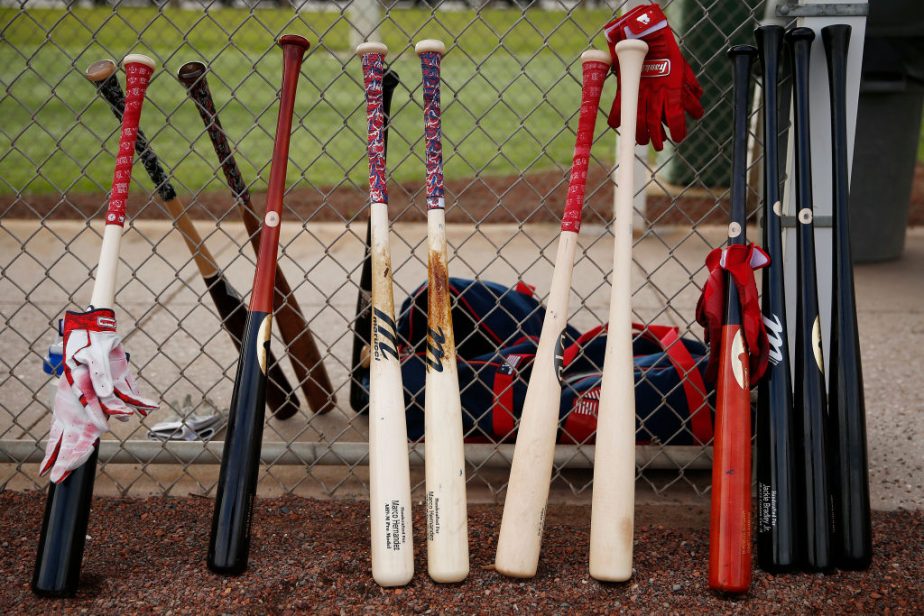
Image Source: www.sportscasting.com
The Anatomy of a Professional Baseball Bat
At its core, an MLB bat is a piece of finely tuned equipment. While they appear simple, their creation involves meticulous attention to detail. Most professional baseball bats are made from wood, primarily ash, maple, or birch.
- Ash: Historically, ash was the dominant wood. It’s known for its flexibility, which can lead to a larger “sweet spot” and a distinct “whip-like” feel. However, ash is also more prone to flaking and can break more easily on mishod swings.
- Maple: Maple bats have gained immense popularity in recent decades. Maple is denser and harder than ash, offering greater durability and a more solid feel upon contact. This density can translate to more power, but it also means a smaller sweet spot and a higher likelihood of shattering upon impact if not perfectly constructed.
- Birch: Birch falls somewhere between ash and maple in terms of density and flex. It offers good durability and a forgiving feel, making it a popular choice for players transitioning between ash and maple.
The choice of wood is just the beginning. Bat manufacturers also consider factors like grain orientation, density, and moisture content to ensure optimal performance and durability.
Deciphering MLB Bat Prices: Wood Bat Cost
When we talk about the wood bat price for an MLB player, we’re generally looking at the cost of a high-quality, professional-grade bat. These aren’t your weekend warrior bats; they are crafted to withstand the rigors of daily use in a professional environment, where swings are powerful and impacts are frequent.
The baseball equipment cost associated with a single professional wood bat can range from $100 to $200. This price reflects several key elements:
- Material Selection: Only the highest quality wood is used. Bats are often made from billets that are dried to a specific moisture content and then inspected for any imperfections. This process itself adds to the cost.
- Manufacturing Process: While the basic shape is turned on a lathe, the precise dimensions, weight, and balance are critical. Many players have very specific requirements for their bats, influencing the manufacturing process.
- Player Endorsements and Branding: Well-known baseball bat brands like Louisville Slugger, Marucci, Rawlings, and Victus invest heavily in player endorsements. While the core bat might be similar, the branding and association with a star player can influence the perceived value and, sometimes, the actual price of readily available models.
- Customization: Professional players often have their bats custom-made to their exact specifications. This can include:
- Length: Typically between 32 and 35 inches.
- Weight: Players often prefer bats that feel lighter than their nominal weight due to the knob-to-barrel ratio.
- Handle Thickness: Some prefer thinner handles for more control, while others like a thicker handle for a more powerful grip.
- Barrel Size: The diameter of the barrel can vary, affecting the sweet spot.
- Cupped End: Many bats have the end cupped out to reduce weight and improve balance.
These customizations, while not adding significantly to the material cost, add to the labor and precision required in manufacturing.
Beyond Wood: Aluminum and Composite Bat Costs
While MLB players exclusively use wood bats, the landscape of baseball bats for amateur and youth leagues is vastly different. Here, aluminum bat cost and composite bat price become major considerations.
Aluminum Bats
Aluminum bats are known for their durability and affordability. They offer a consistent performance and don’t require the same level of care as wood bats.
- Entry-Level Aluminum Bats: For younger players or recreational leagues, you can find aluminum bats for as low as $50 to $100. These are typically made from a single piece of aluminum alloy.
- Mid-Range Aluminum Bats: As you move up in quality and performance, adult baseball bat aluminum options can range from $100 to $250. These bats often feature improved alloys, multi-wall construction for a larger sweet spot, and better vibration dampening.
- High-End Aluminum Bats: Some advanced aluminum bats, particularly those with advanced alloys and innovative barrel designs, can reach $250 to $300.
The primary advantage of aluminum bats is their “trampoline effect,” where the ball compresses against the barrel and is launched with greater velocity.
Composite Bats
Composite bats are made from carbon fiber or other composite materials. They offer the potential for the highest performance due to their advanced construction and tunable flex.
- Entry-Level Composite Bats: Basic composite bats might start around $150 to $200.
- Mid-Range Composite Bats: Most good quality composite bats fall into the $200 to $350 range. These bats often feature multi-piece construction, allowing different parts of the bat to be optimized for flex, stiffness, and the trampoline effect.
- High-End Composite Bats: The most advanced composite bats, featuring cutting-edge technology, tunable weights, and proprietary composite weaves, can command prices from $300 to $400 or even higher. These bats are designed to maximize exit velocity and provide a personalized feel.
Composite bat price can be significantly higher than aluminum due to the cost of materials and the complex manufacturing processes involved. These bats often require a break-in period to reach their peak performance.
Key Factors Influencing Baseball Bat Cost
Several overarching factors contribute to the overall baseball bat cost, regardless of material:
1. Brand Reputation and Marketing
Established baseball bat brands like Louisville Slugger, Marucci, and Rawlings have built their reputations over decades. They invest heavily in research and development, marketing, and securing endorsements from top players. This brand equity allows them to command higher prices for their products.
- Louisville Slugger: A historic brand, often associated with classic designs and proven performance.
- Marucci: Known for its player-driven design philosophy and high-quality wood bats.
- Rawlings: Offers a wide range of bats, from entry-level to professional-grade, often seen in conjunction with their glove and equipment lines.
- Victus: A newer brand that has quickly gained a following for its premium wood bats and innovative designs.
- DeMarini / Easton (now owned by Rawlings): Strong in the aluminum and composite bat markets, known for advanced technologies.
2. Materials and Technology
As discussed, the type of material (wood, aluminum, composite) is a primary cost driver. Beyond that, the specific alloy in an aluminum bat or the proprietary weave in a composite bat can justify a higher baseball bat cost. For wood bats, the quality and treatment of the wood play a significant role.
3. Performance Features
- Sweet Spot Size: Bats designed for a larger sweet spot often employ multi-wall construction (aluminum) or advanced composite layering, which can increase manufacturing costs.
- Balance and Swing Weight: Bat manufacturers spend considerable effort ensuring their bats are balanced to the player’s preference. This can involve precise weighting and knob design, adding to the engineering and manufacturing effort.
- Vibration Dampening: Technologies designed to reduce sting or vibration upon impact can also add to the overall cost.
4. Durability and Longevity
While MLB players replace bats frequently due to breakage or preference changes, amateur players expect their bats to last. Bats with higher durability, especially those made from premium alloys or advanced composites, often come with a higher initial baseball bat cost.
5. Endorsements and Player-Specific Models
Bats that are endorsed by popular MLB players or are direct replicas of their game-day bats often carry a premium price tag. While the core technology might be the same, the association with a star player drives demand and allows for a higher MLB bat prices.
6. Customization Options
As mentioned with MLB bats, the ability to customize length, weight, grip, and even paint schemes can increase the price. This is more common for wood bats but is also available for high-end composite bats.
The MLB Player’s Bat Relationship: Beyond Cost
For an MLB player bat, the cost is almost secondary to performance and feel. Players are provided with bats by their team’s sponsor or can order them directly. While they might not be paying out-of-pocket for every single bat, the MLB bat prices reflect the quality and precision that goes into each piece of lumber.
- Breaking Bats: MLB players can break multiple bats in a single game. This is due to the extreme forces involved in their swings and the natural limitations of wood. Therefore, having a consistent supply of high-quality bats is essential.
- Personal Preference: Each player develops a unique relationship with their bats. A slight change in weight, balance, or even the feel of the handle can impact their performance. This is why many players stick with specific models or manufacturers.
- Batting Practice vs. Game: Players often use different bats for batting practice (where durability might be prioritized) and for games (where every ounce of performance is sought).
The baseball equipment cost for a professional player’s bat, while seemingly high for a single unit, is part of a larger investment in their craft. It’s a tool that, when perfectly suited to the player, can make a significant difference in their offensive output.
Comparing Costs Across Leagues and Levels
It’s important to differentiate the cost of bats based on the league or level of play.
| Bat Type | Typical Price Range (USD) | Primary Users | Key Characteristics |
|---|---|---|---|
| Wood Bat | $100 – $200 | MLB Players, Professional Leagues, High-Level Amateurs | Natural material, requires care, can break, consistent feel. |
| Aluminum Bat | $50 – $300 | Youth Leagues, Recreational Leagues, Some Amateur Leagues | Durable, affordable, consistent performance, “trampoline effect.” |
| Composite Bat | $150 – $400+ | High School, College, Advanced Amateur Leagues | High performance potential, advanced technology, tunable flex, requires break-in. |
This table highlights that the MLB bat prices for wood bats are generally in the mid-to-high range for professional-grade equipment, while amateur leagues see a wider spectrum of costs due to the prevalence of aluminum and composite options. An adult baseball bat designed for serious amateur play can easily rival the cost of a professional wood bat, especially if it’s a high-end composite model.
The Economics of Bat Manufacturing
Bat manufacturers operate in a competitive market. To succeed, they must balance the cost of materials, labor, and technology with the price consumers are willing to pay.
- Raw Material Costs: The price of quality wood, aluminum alloys, and composite materials fluctuates based on global markets.
- Manufacturing Overhead: Factories require significant investment in machinery, skilled labor, and quality control processes.
- Research and Development: Companies continually invest in developing new materials and technologies to improve bat performance, which adds to the cost of their products.
- Distribution and Retail Markups: Bats pass through distributors and retailers, each adding their margin before the bat reaches the consumer.
Is a More Expensive Bat Always Better?
Not necessarily. While higher-priced bats often incorporate more advanced materials and technologies, the “best” bat is ultimately the one that suits an individual player’s swing and preferences.
- For MLB players, the extreme precision and quality control of professional wood bats are non-negotiable, justifying the wood bat price.
- For amateur players, a $300 composite bat might offer a slight performance edge over a $150 aluminum bat, but a player who hasn’t developed their swing might not fully utilize the advanced features. A well-balanced, comfortable bat in the $100-$200 range can be perfectly adequate for many players.
It’s crucial to consider the player’s skill level, league regulations (some leagues have restrictions on bat materials or certifications), and budget when making a purchase.
Frequently Asked Questions (FAQ)
Q1: Can I buy the exact same bat an MLB player uses?
A1: You can often buy models that are very similar to what MLB players use, and sometimes even exact replicas. However, professional players often have custom-made bats with specifications that may not be readily available to the public.
Q2: Why are wood bats so expensive compared to some aluminum bats?
A2: Wood bats, especially professional-grade ones, are made from premium hardwoods like maple, ash, or birch. The selection and treatment of this wood, along with the meticulous crafting process to meet specific player preferences, drive up the wood bat price. Aluminum bats can be mass-produced more easily and with less expensive raw materials.
Q3: Do composite bats need to be “broken in”?
A3: Yes, most composite bats require a break-in period. This involves hitting a certain number of balls, often starting with softer swings and gradually increasing intensity. This process loosens up the composite fibers and allows the bat to reach its maximum performance potential, contributing to the overall composite bat price as an investment.
Q4: What is the most expensive type of baseball bat?
A4: The most expensive baseball bats are typically high-end composite bats designed for elite amateur players, or custom-made professional wood bats with unique features or endorsements. While a single MLB player’s bat might have a base cost of $100-$200, the technology and potential performance gains in the best composite bats can push their price points even higher, sometimes reaching $400 or more.
Q5: Is it worth spending a lot of money on a baseball bat?
A5: It depends on the player. For casual players or young children just starting, a moderately priced bat is usually sufficient. For serious high school, college, or adult amateur players, investing in a higher-quality aluminum or composite bat can provide a performance advantage and is often a worthwhile expenditure. For professionals, it’s a necessary tool of their trade. The baseball bat cost should align with the player’s needs and skill level.
In conclusion, the cost of an MLB bat, or any baseball bat for that matter, is a multifaceted question. While a professional wood bat for an MLB player bat typically falls in the $100-$200 range, the broader market for baseball equipment cost sees prices varying widely from $50 for entry-level aluminum bats to over $400 for the most advanced composite models. The choice of material, brand reputation, technology, and customization all play significant roles in determining the final baseball bat cost. Whether you’re a burgeoning slugger or a seasoned pro, selecting the right bat is an important decision that balances performance, durability, and budget.