
The number of players on a standard baseball team is nine on the field at any given time, although active rosters can be much larger.
Baseball, at its heart, is a game of strategy, skill, and a precise number of individuals working in concert. While you might see a handful of players on the field during a crucial play, the question of “how many players play in baseball?” extends far beyond those on the diamond. It encompasses everything from the players actively participating in a game to the vast numbers involved in professional leagues and recreational play worldwide. Let’s delve into the specifics of the baseball player count across different levels of the sport.
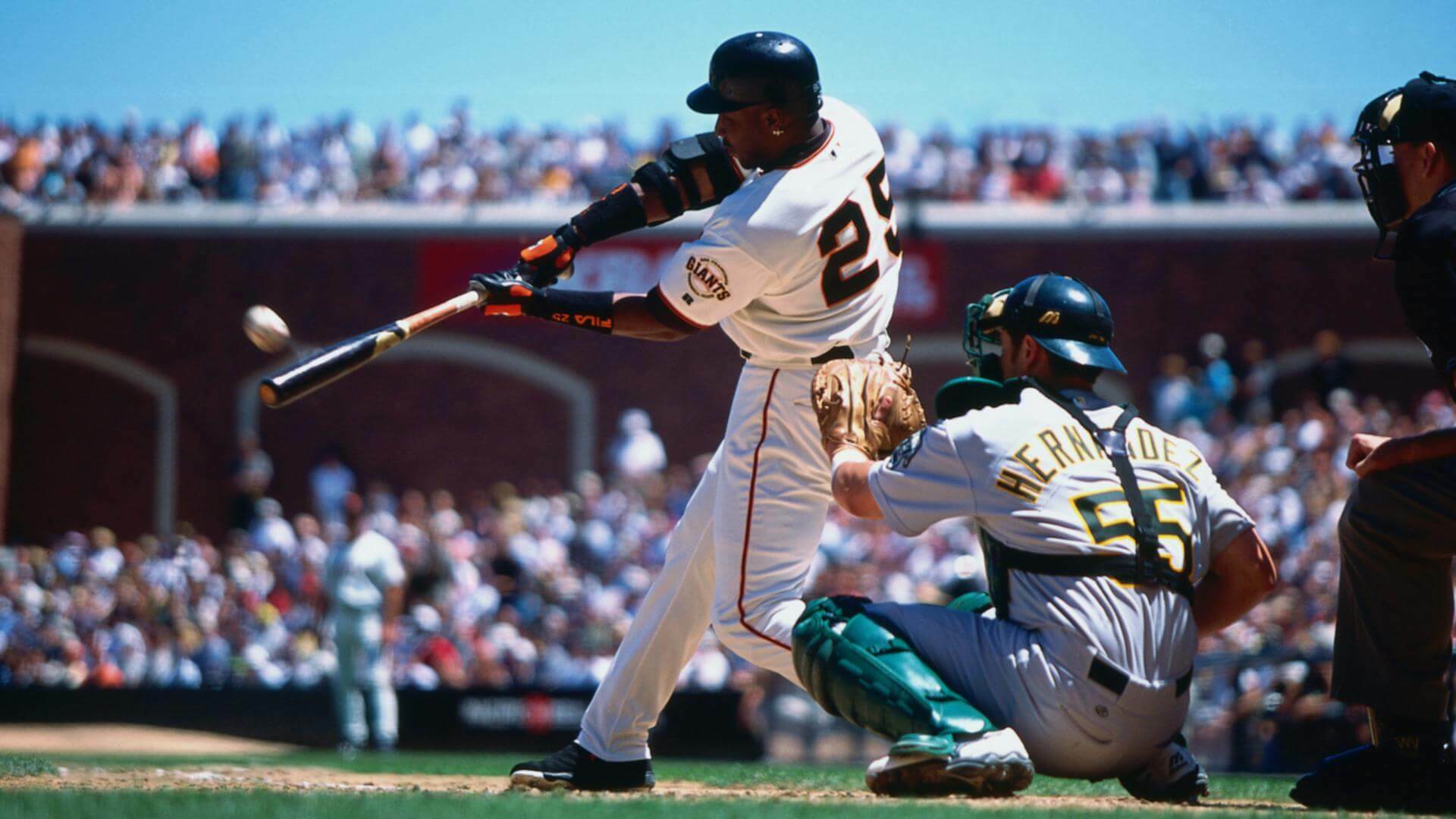
Image Source: d1z5o5vuzqe9y4.cloudfront.net
The Core Players: On the Field
When a baseball game is in progress, the number of players on a baseball field for one team is always nine. These nine athletes occupy specific defensive positions, each crucial to preventing the opposing team from scoring.
Defensive Positions
Each of the nine players has a distinct role:
- Pitcher (P): The player who throws the ball to the batter. Their job is to throw strikes and get batters out.
- Catcher (C): The player who squats behind home plate to receive pitches. They also manage the game’s strategy and call pitches.
- First Baseman (1B): Covers the first base and is often involved in throwing and catching.
- Second Baseman (2B): Plays between first and second base, covering second base on certain plays.
- Third Baseman (3B): Covers third base and handles most ground balls hit to the left side of the infield.
- Shortstop (SS): Plays between second and third base, covering a large area of the infield.
- Left Fielder (LF): Covers the outfield area to the left of center field.
- Center Fielder (CF): Covers the largest area of the outfield, generally between left and right field.
- Right Fielder (RF): Covers the outfield area to the right of center field.
These nine players are the ones actively involved in the defense of their team during each play.
Offensive Roles
While nine players are on the field defensively, the offensive side of the game also involves a set number of participants from each team, though they cycle through.
- Baseball lineup size: A typical baseball lineup consists of nine batters. These are the players who take turns hitting. The batting order is predetermined before the game begins and dictates the sequence in which players come to bat. While nine players bat, the players who are not currently batting are in the dugout, ready to enter the game as pinch hitters, pinch runners, or defensive replacements.
Beyond the Field: Roster Sizes and Team Composition
The baseball team size extends significantly beyond the nine players on the field. Teams maintain a larger group of players, known as the roster, to allow for substitutions, strategic changes, and to cover injuries. The baseball roster size can vary depending on the league and the level of play.
Professional Baseball Rosters (MLB)
Major League Baseball (MLB) has specific rules regarding roster sizes. These rules have evolved over time to balance competitive balance, player development, and the financial realities of the sport.
Active Roster
- The standard baseball team in MLB, when it comes to the active roster during the regular season, currently consists of 26 players. This roster is what teams draw from for games. A player must be on the active roster to play in a game.
- This active roster is a carefully curated group of players, including starting position players, relief pitchers, starting pitchers, and utility players.
Expanded Rosters
- Historically, MLB had an expanded roster in September. However, this rule has been changed. In the past, teams could expand their rosters to 40 players in September, allowing them to bring up more players from the minor leagues for a look or to add depth for the stretch run.
- Currently, teams can have a 40-man roster. This 40-man roster includes all players under contract with the major league club, including those on the active roster, those on the injured list, and those in the minor leagues who are protected from being selected by other teams in the Rule 5 Draft. Players must be on the 40-man roster to be called up to the active 26-man roster.
Other Roster Designations
It’s important to note that not all players on the 40-man roster are active for every game. Players can be designated in various ways:
- Injured List (IL): Players who are injured are placed on the injured list, freeing up a spot on the active roster.
- Restricted List: Used for players who are unavailable due to reasons not related to injury, such as legal issues or personal matters.
- Paternity Leave List: For players who need time off to be with a new child.
These designations highlight that while 26 players are active for a game, the professional baseball player numbers managed by a club are significantly higher.
Minor League Baseball Rosters
Below MLB, minor league teams also have their own roster structures. These rosters are crucial for player development.
- Triple-A (AAA): Teams typically have rosters of around 25-30 players.
- Double-A (AA): Rosters are usually around 25 players.
- Advanced Rookie and Single-A: Rosters can vary but are generally around 25 players.
These minor league rosters are pipelines to the major leagues, with players constantly moving up and down between levels based on performance and team needs.
How Many People Play Baseball Globally?
The question of “how many people play baseball?” goes beyond professional and minor league systems. Baseball is a global sport with millions of participants at various amateur and recreational levels.
Amateur Baseball
- Youth Baseball: Youth leagues are a massive part of baseball. Organizations like Little League Baseball, Babe Ruth League, and others involve millions of children worldwide. The baseball player count in youth leagues is immense, fostering the next generation of players.
- High School Baseball: In countries like the United States, high school baseball is a major participation sport. Thousands of high schools field baseball teams, involving hundreds of thousands of student-athletes.
- College Baseball: College baseball, particularly in the NCAA, is a significant level of amateur play. Many universities have competitive baseball programs, providing a platform for talented players to continue their careers and potentially get scouted for professional opportunities.
- Adult Amateur Leagues: Recreational adult leagues exist in many communities, allowing people of all ages to continue playing the sport they love. These leagues range from highly competitive to purely recreational.
International Participation
Baseball is popular in many countries outside of the United States.
- Japan: Baseball is the most popular sport in Japan, with a robust professional league (Nippon Professional Baseball – NPB) and a massive amateur participation base.
- South Korea: Similar to Japan, baseball is a major sport in South Korea, with a professional league and widespread amateur involvement.
- Latin America: Countries like the Dominican Republic, Venezuela, Puerto Rico, and Cuba have a deep-rooted passion for baseball. Many MLB players come from these regions, and baseball is a cultural cornerstone.
- Other Countries: Baseball is played and growing in popularity in countries such as Canada, Mexico, Australia, Italy, the Netherlands, and many others. The World Baseball Classic and other international tournaments showcase the global reach of the sport.
Estimating the exact global baseball player count is challenging due to the vastness of amateur and recreational play. However, it’s safe to say that tens of millions of people worldwide participate in baseball in some form.
Key Terms in Baseball Player Count
To fully grasp the number of players in baseball, it’s helpful to understand some core terminology:
- Baseball Team Size: Refers to the total number of players on a team’s roster, including those on the active roster and those in developmental or injured status.
- Baseball Roster Size: Specifically refers to the number of players officially listed on a team’s roster for a given period or league.
- Standard Baseball Team: When referring to active play, this means the nine players on the field. In terms of roster, it refers to the typical number of players a team carries to be competitive.
- Baseball Game Participants: This includes the players actively playing in a game, which are nine defensive players per team at any given moment, plus the batters and base runners rotating through from the offensive side.
- Players on a Baseball Field: Strictly the nine defensive players of the fielding team.
- Baseball Lineup Size: The nine players designated to bat in a specific order.
- Professional Baseball Player Numbers: The total count of players playing in organized professional leagues, from the highest level down to affiliated minor leagues.
The Evolution of Player Numbers
The baseball player count and roster sizes have not always been what they are today. The sport has evolved, and with it, the structure of teams and the rules governing player numbers.
- Early Baseball: In the early days of baseball, rosters were much smaller. Teams might have only carried 15-18 players, with little distinction between active players and reserves. The concept of specialized roles like relief pitchers or dedicated pinch hitters was less developed.
- Expansion Era: As the sport grew and teams became more financially robust, roster sizes began to increase. The addition of the designated hitter (DH) in some leagues also influenced player roles and roster construction.
- Modern Game: The current MLB roster sizes reflect a balance of competitive strategy, player development, and the sheer depth of talent available. The ability to carry more pitchers and versatile position players allows managers more options to navigate a long season and complex matchups.
Factors Influencing Baseball Player Numbers
Several factors contribute to the number of players in baseball at different levels:
- League Rules: Each professional and amateur league sets its own rules regarding roster size, player eligibility, and contract limits.
- Player Development: Organizations invest heavily in developing talent through their farm systems. Larger minor league rosters are necessary to provide opportunities for a wide range of prospects.
- Strategic Needs: The demands of the modern game, with specialized relief pitchers, defensive specialists, and pinch hitters/runners, necessitate larger active rosters.
- Injuries: Baseball is a physically demanding sport, and injuries are common. Larger rosters provide depth to cover for players who are sidelined.
- Financial Considerations: The cost of maintaining a large player pool, including minor league salaries and facilities, is a significant factor for professional organizations.
Baseball Team Size vs. Active Players
It’s crucial to differentiate between a team’s total roster and the players who are actively participating in a game.
| Category | Number of Players (MLB Example) | Description |
|---|---|---|
| On the Field | 9 | The players actively playing defense at any given moment for one team. |
| Batting Lineup | 9 | The players who take turns batting in a specific order for one team. |
| Active Roster | 26 | The players eligible to play in a game on a given day. |
| 40-Man Roster | 40 | All players under contract with the major league club, including those on the active roster, IL, or in minors. |
| Minor League Teams | 25-30 (approx.) | Players on affiliated minor league rosters, focused on development. |
This table clearly illustrates that while nine players are the fundamental unit on the field, the operational baseball team size is much larger to support a competitive and sustainable team.
Fathoming the Global Baseball Player Count
While pinpointing an exact global figure for how many people play baseball is impossible, we can appreciate the sheer scale. Consider:
- United States: Millions of participants across youth, high school, college, and adult amateur leagues.
- Asia (Japan, South Korea, Taiwan): Baseball is a cultural phenomenon, with millions of players at all levels.
- Latin America: Baseball is a way of life for many, with a huge participation base from grassroots to professional levels.
- Growth Regions: Countries where baseball is gaining traction contribute steadily to the global player count.
The collective baseball player count worldwide represents a vast community of athletes, coaches, administrators, and fans who are passionate about the game.
Frequently Asked Questions (FAQ)
Q1: How many players are on a baseball team at one time during a game?
A1: Exactly nine players from each team are on the field defensively at any given moment. Offensively, nine players bat in a specific order, with others waiting their turn.
Q2: What is the typical baseball roster size in Major League Baseball (MLB)?
A2: The active roster size in MLB is 26 players during the regular season. However, teams also maintain a 40-man roster that includes players in the minor leagues and those on the injured list.
Q3: Does the number of players on a baseball team change during a game?
A3: Yes, teams can substitute players defensively or offensively (pinch hitter, pinch runner). However, the number of players on the field defensively always remains nine.
Q4: How many players are on a baseball field in total during a game?
A4: There are 18 players on the field at any given time during a game – nine defensive players for the fielding team and the batter and any runners on base for the offensive team.
Q5: Are there different numbers of players for different leagues?
A5: Yes, roster sizes and the number of players on the field can vary. For instance, some youth leagues might play with fewer players if teams don’t have enough participants. However, professional leagues and most organized amateur leagues adhere to the standard of nine players on the field.
Q6: What does “baseball lineup size” refer to?
A6: “Baseball lineup size” refers to the nine players who are designated to bat in a specific order for their team. This lineup can change due to substitutions during the game.
Q7: How many people play baseball globally?
A7: It is estimated that tens of millions of people play baseball worldwide across all levels, from professional leagues to youth and recreational play. The exact number is difficult to quantify precisely.
Q8: What is a “standard baseball team” in terms of player numbers?
A8: A “standard baseball team” typically refers to the nine players on the field at one time for defense. In a broader sense, for professional teams, it also implies the active roster of 26 players.
Q9: How many professional baseball player numbers are there?
A9: This refers to the total number of players actively playing in professional leagues. In MLB alone, there are 30 teams, each with an active roster of 26 players, plus numerous players in their minor league systems. Globally, the number of professional players is in the thousands.
Q10: What is the difference between a 26-man roster and a 40-man roster in MLB?
A10: The 26-man roster is the group of players eligible to play in a specific game. The 40-man roster is a protected list of players a team owns, including those on the active roster, those on the injured list, and those in the minor leagues who are protected from being selected by other teams.