
A baseball glove is supposed to fit snugly but comfortably, allowing for natural hand movement and a secure feel. It shouldn’t be too tight, restricting circulation, nor too loose, causing the glove to shift or the ball to escape. The ideal fit also considers how the glove interacts with the player’s hand position and aims to create a deep, responsive glove pocket depth.
Finding the right fit for a baseball glove is crucial for any player, from a budding T-ball star to a seasoned veteran. A well-fitting glove not only improves performance but also enhances comfort and can prevent injuries. This guide will walk you through everything you need to know about baseball glove sizing, the essential glove break-in process, and how to achieve that perfect, game-ready feel. We’ll delve into the nuances of baseball mitt sizing, how to choose a baseball glove based on position and age, and what to look for in terms of glove flexibility and glove snugness.
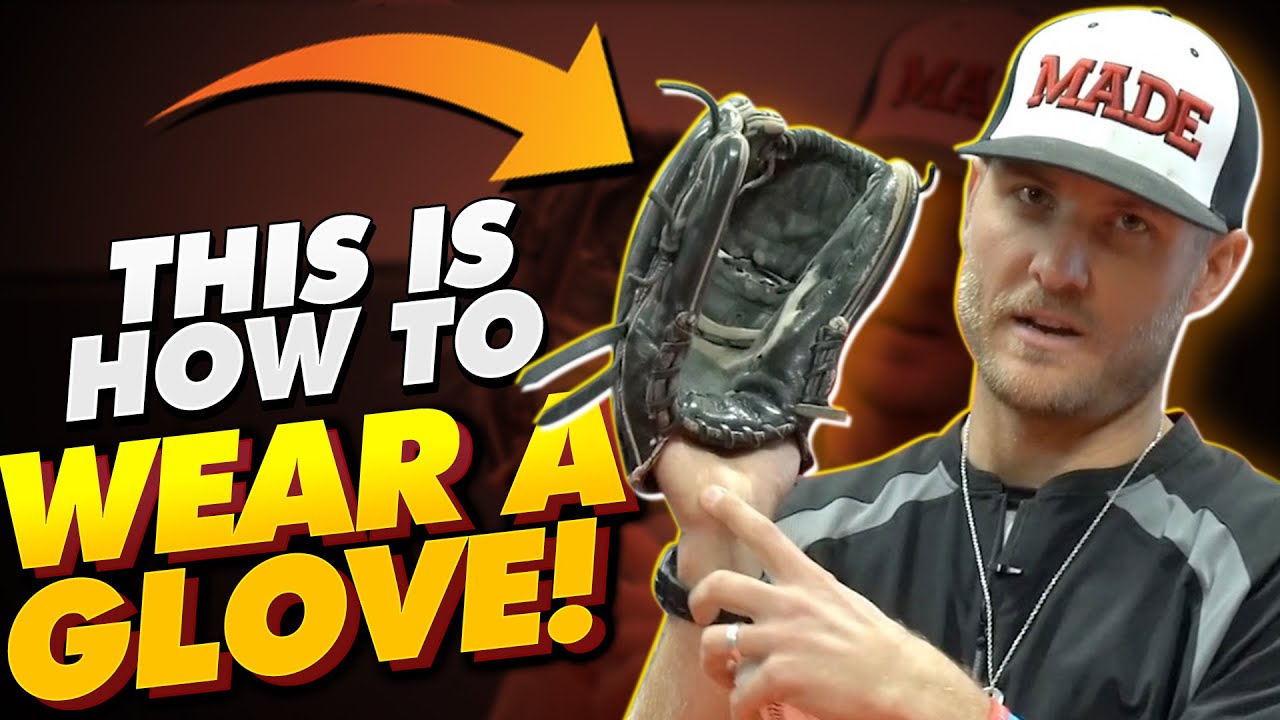
Image Source: i.ytimg.com
Deciphering Baseball Glove Size Charts
The first step in finding your perfect fit is understanding baseball glove size charts. These charts are generally based on the circumference of the player’s hand or the intended position. However, it’s important to remember that these are guidelines, and personal preference plays a significant role.
Player Position and Glove Size
Different positions on the baseball field require different types of gloves, and this directly impacts the recommended baseball glove size.
-
Infielders (Second Basemen, Shortstops, Third Basemen): These players need gloves that are smaller and lighter, allowing for quick transfers from glove to throwing hand. The baseball glove size typically ranges from 11 to 11.75 inches. A smaller glove helps infielders field ground balls cleanly and make fast throws.
-
Outfielders: Outfielders require gloves with longer fingers and a deeper pocket to help them catch fly balls and snag line drives. The baseball glove size generally falls between 12 to 13 inches, sometimes even larger for first basemen.
-
First Basemen: First basemen use a “mitt” rather than a glove with individual finger stalls. These are significantly larger and have a deeper pocket to scoop errant throws and field grounders. Baseball mitt sizing for first basemen usually ranges from 12.5 to 13.5 inches, with some exceptions.
-
Catchers: Catchers also use a mitt, designed to protect their hand from high-speed pitches and provide a large target for the pitcher. Catcher’s mitts are typically measured by circumference, ranging from 32 to 34 inches.
-
Pitchers: Pitchers often use gloves with a closed web to conceal their grip on the ball, preventing hitters from reading their pitches. Baseball glove size for pitchers typically ranges from 11.75 to 12.5 inches.
Measuring Your Hand for Glove Size
While position is a key factor, an accurate hand measurement is essential for finding the right fit.
- Measure Your Palm: Lay your dominant hand flat on a piece of paper, palm down. Trace around your hand with a pencil.
- Measure Length: Measure the distance from the tip of your middle finger straight down to the crease at the base of your palm.
- Measure Width: Measure the width of your palm at its widest point, usually across the knuckles.
Most glove manufacturers will have a conversion chart that correlates these measurements to their baseball glove size recommendations. Always refer to the specific brand’s sizing guide as it can vary slightly.
The Critical Glove Break-In Process
A new baseball glove, especially one made of quality leather, is stiff and requires a glove break-in period to become game-ready. The goal is to soften the leather and mold the glove to your hand, creating a reliable baseball glove feel and a functional glove pocket depth.
Methods for Glove Break-In
There are several effective methods for glove break-in:
-
The “Glove Mallet” or “Glove Bat” Method: This involves using a specialized tool to repeatedly strike the glove, focusing on the palm and finger stalls. This helps to soften the leather and create creases where the glove will naturally fold.
-
Oiling and Working the Glove: Applying a small amount of glove oil or conditioner can help soften the leather. Work the oil into the glove thoroughly, then flex and shape it. Be careful not to over-oil, as this can make the glove too heavy or damage the leather.
-
The “Camps” Method: This popular method involves placing a baseball or softball in the pocket of the glove, closing the glove around it, and securing it with rubber bands or a glove strap. Leave it overnight. Repeat this process regularly.
-
Playing Catch: The most natural way to break in a glove is by using it. Play catch regularly, focusing on catching the ball in the intended pocket. This allows the glove to mold to your hand and develop the proper glove pocket depth through real-game use.
-
Steaming (Use with Caution): Some players use steam to accelerate the break-in process. However, this method can be risky if not done correctly. Excessive heat and moisture can damage the leather, making it brittle or weakening the stitching. If you choose this method, be extremely cautious and use minimal steam.
What to Avoid During Break-In
- Microwaving or Oven Baking: These methods are extremely damaging to leather and can ruin your glove.
- Soaking the Glove: Excessive water can degrade the leather and stitching.
- Using Harsh Chemicals: Stick to products specifically designed for baseball glove care.
The glove break-in process can take anywhere from a few days to a few weeks, depending on the glove’s material and the methods used. Patience is key to achieving the best baseball glove feel.
Achieving the Perfect Baseball Glove Feel
The baseball glove feel is subjective but universally recognized. It’s that perfect balance of firmness and flexibility, where the glove feels like an extension of your hand.
Flexibility and Snugness
-
Glove Flexibility: A good glove should have enough glove flexibility to allow you to close it around the ball easily. Overly stiff gloves make it difficult to secure catches, while overly soft gloves might not offer enough support. The break-in process is all about finding that sweet spot of flexibility.
-
Glove Snugness: The glove snugness is critical. When you slide your hand into the glove, it should feel secure without being restrictive. Your fingers should reach the end of the finger stalls, and the glove should not move significantly when you shake your hand. A proper glove snugness ensures control and prevents the glove from slipping during play.
The Pocket: The Heart of the Glove
The glove pocket depth is where the magic happens. This is the area where the ball rests after a catch.
-
Creating a Deep Pocket: A deeper pocket helps to secure the ball and prevent it from popping out. When breaking in your glove, focus on creating a distinct pocket that is neither too shallow nor too deep for your playing style. Infielders often prefer a shallower pocket for quicker transfers, while outfielders may want a deeper one to cradle fly balls.
-
Webbing and Lacing: The webbing between the thumb and index finger is crucial for the pocket’s formation. Ensure the lacing is tight enough to create a defined pocket but not so tight that it prevents the glove from closing.
How to Choose a Baseball Glove: Key Considerations
How to choose a baseball glove involves more than just picking a size. You need to consider the material, the type of web, and your personal preferences.
Material Matters
- Full-Grain Leather: This is the highest quality leather, offering superior durability, a great feel, and excellent break-in potential. It’s typically the most expensive option.
- Top-Grain Leather: Still good quality, this leather has had the outermost layer removed to create a smoother finish. It breaks in well and is durable, though slightly less so than full-grain.
- Genuine Leather: This is often a blend of leather scraps and other materials. It’s more affordable but won’t last as long or break in as well as higher-grade leathers.
- Synthetic Materials: Found in youth or budget gloves, these are lightweight and require minimal break-in but lack the durability and feel of leather.
Webbing Styles
The type of webbing also influences how to choose a baseball glove:
- I-Web: Common for infielders, offering a shallow pocket and good flexibility.
- H-Web: Also popular with infielders, providing a slightly deeper pocket and good visibility.
- Basket Web: Often used by pitchers to conceal their grip, it offers a clean look and a good pocket.
- Modified Trap-Eze Web: A common choice for outfielders, offering a deep pocket and a secure feel.
- Two-Piece Closed Web: Typically found on catcher’s mitts and first base mitts, providing a solid barrier.
Youth vs. Adult Gloves
Baseball mitt sizing and glove construction differ for youth players. Youth gloves are often lighter, smaller, and made from softer materials for easier closing. As players progress, they will transition to adult-sized gloves made from higher-quality leather.
Fathoming the Perfect Glove Fit: A Step-by-Step Approach
Finding the right fit is an iterative process. Here’s how to approach it:
- Determine Your Position: This is the starting point for baseball glove size.
- Measure Your Hand: Use the methods described earlier to get accurate measurements.
- Consult Size Charts: Compare your measurements and position to brand-specific size charts.
- Try Before You Buy (If Possible): The best way to assess baseball glove feel and glove snugness is to try the glove on.
- Slide your hand in. Does it fit comfortably?
- Can you close your fingers easily?
- Does the glove feel balanced on your hand?
- Is there any excessive looseness or tightness?
- Can you feel the ball securely in the pocket?
- Consider Glove Break-In Time: Factor in that even a well-fitting glove will require some glove break-in to reach its optimal performance.
- Check the Finger Stalls: Your fingers should fit snugly in their respective stalls. If they are too loose, the glove will shift; if they are too tight, it can be uncomfortable and restrict movement.
- Evaluate the Thumb and Pinky: These are key to closing the glove. Ensure you can bring your thumb and pinky together to secure the ball.
Maintaining Your Glove for Longevity and Performance
Once you’ve achieved that perfect fit and completed your glove break-in, proper maintenance is key to preserving the baseball glove feel and extending its lifespan.
Cleaning Your Glove
- Wipe Down: Regularly wipe your glove with a clean, damp cloth to remove dirt and sweat.
- Deep Cleaning (Occasionally): For a more thorough clean, use a specialized baseball glove cleaner. Follow the product instructions carefully.
Conditioning Your Glove
- Apply Glove Conditioner: Use a quality glove conditioner sparingly, about once every few months or as needed. Too much can make the glove greasy and heavy. Apply a thin, even coat with a soft cloth, working it into the leather.
- Avoid Petroleum-Based Products: These can damage the leather over time.
Storage
- Store Properly: Store your glove in a cool, dry place away from direct sunlight and extreme temperatures.
- Use a Glove Guard or Bag: This helps maintain the glove’s shape and protects it from dust and damage.
- Avoid Storing with Weight: Don’t place heavy objects on top of your glove, as this can flatten the pocket or warp its shape.
Common Questions About Baseball Glove Fit
Q1: How should a baseball glove feel on my hand?
A baseball glove should feel snug and secure, almost like an extension of your hand. It shouldn’t be so tight that it restricts blood flow or causes discomfort, nor so loose that it shifts around when you move. The goal is a comfortable fit that allows for natural movement and a confident feel for the ball.
Q2: Can I use baby powder to break in my baseball glove?
While some people use baby powder, it’s generally not recommended for a serious glove break-in. Baby powder can absorb moisture, which might lead to the leather drying out and becoming brittle over time. Specialized glove conditioners are a better choice for softening and maintaining the leather’s integrity.
Q3: How do I know if my baseball glove is too small?
If your fingers are crammed at the end of the finger stalls, if you struggle to close the glove around the ball, or if it feels excessively tight and uncomfortable, your baseball glove size is likely too small. A glove that’s too small hinders your ability to catch effectively and can be painful.
Q4: What is the difference between a baseball glove and a baseball mitt?
A baseball glove typically has individual finger stalls for each finger and a thumb stall. A baseball mitt, used by catchers and first basemen, is more like a padded mitt without separate finger stalls, designed to create a larger catching surface and provide more protection. The baseball mitt sizing differs significantly from standard glove sizing.
Q5: How long does it take to break in a baseball glove?
The glove break-in period can vary greatly depending on the quality of the leather, the glove’s construction, and the break-in methods used. High-quality leather gloves can take anywhere from a few days of consistent use to several weeks to become perfectly game-ready. Budget or synthetic gloves might require minimal break-in.
Q6: Should my glove feel stiff at first?
Yes, a new, quality leather baseball glove will almost always feel stiff. This is because the leather is new and hasn’t been worked or molded to your hand. The glove break-in process is designed to soften this stiffness and create the desired glove flexibility and baseball glove feel.
Q7: How deep should the glove pocket be?
The ideal glove pocket depth depends on your position and preference. Infielders often prefer a shallower pocket for quicker ball transfers, while outfielders might want a deeper pocket to cradle fly balls. A good rule of thumb is that the pocket should be deep enough to securely hold the ball without it popping out, but not so deep that it hinders your ability to retrieve it quickly.
Q8: How do I ensure the glove stays the right snugness after breaking it in?
Maintaining glove snugness is about proper care and storage. Avoid over-oiling, which can make the leather stretch and become loose. Store your glove properly in a glove guard or bag to help it retain its shape. Regular use also helps to keep the glove molded to your hand.
Q9: Is it okay to use my fielding glove for batting practice?
It’s generally not recommended to use your primary fielding glove for batting practice, especially if it’s a high-quality leather glove. Batting practice can involve a lot of hard impacts, and catching fastballs repeatedly can break down the glove’s padding and structure prematurely. It’s better to use a designated practice glove or a more durable, less expensive option.
Q10: How important is glove flexibility for a young player?
For young players, glove flexibility is extremely important. Their hands are still developing, and a glove that is too stiff will be difficult for them to close. This can lead to frustration, poor catching technique, and even a reluctance to play. Choosing a glove designed for youth players that offers good flexibility and an easy closing action is crucial. This makes the finding the right fit process for young athletes more about ease of use and comfort.