
The most common question for new baseball players is, “How do you grip a baseball bat?” The answer is that you grip it with your hands in a specific way to get the best results when you swing. A proper baseball grip is the foundation of good baseball swing mechanics. This guide will help you master the baseball batting technique and improve your baseball bat control.
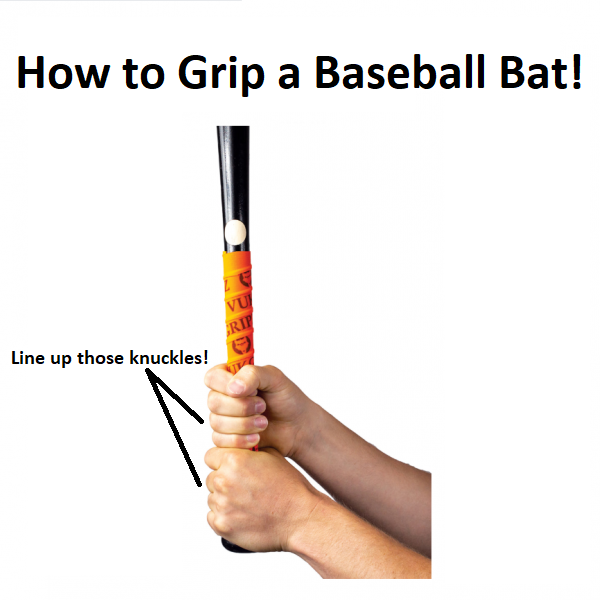
Image Source: vukgripz.com
The Foundation of a Powerful Swing: Your Baseball Bat Grip
Many young players focus on the big movements – the leg kick, the arm rotation, the follow-through. While these are crucial, they often overlook the most fundamental element: how to hold a baseball bat. Your grip is the direct connection between you and the bat, and it dictates how much power and control you can generate. A loose or incorrect grip can lead to weak hits, poor bat speed, and even injuries.
Why Your Baseball Grip Matters So Much
Think of your hands as the engine of your swing. If the engine isn’t properly tuned, the car won’t perform at its best. Your baseball bat grip influences:
- Bat Speed: A good grip allows your wrists to snap through the ball, generating maximum bat speed. A tight or awkward grip restricts this movement.
- Power: Proper hand placement translates your body’s power into the bat. The right grip ensures this force isn’t lost before it reaches the barrel.
- Control: A consistent and comfortable grip helps you feel the bat, allowing for better control over where you place the barrel to hit the ball.
- Consistency: A repeatable grip leads to a repeatable swing. This is key for hitting consistently.
- Injury Prevention: A grip that’s too tight can lead to wrist and forearm strain. A grip that’s too loose can lead to the bat flying out of your hands.
Mastering the Baseball Hand Placement: The “Knuckle Alignment”
The most widely accepted and effective method for gripping a baseball bat is the “knuckle alignment” or “gap” method. This isn’t about making a fist; it’s about creating a natural, strong, and flexible connection.
The Two-Handed Approach
Baseball is a two-handed sport. Both hands work together to drive the bat through the hitting zone. The key is to ensure they work in harmony.
The Bottom Hand’s Role
Your bottom hand (the hand closest to the knob of the bat) is the primary driver of the bat’s rotation and power.
- Placement: The bottom hand grips the bat where your fingers naturally wrap around the handle.
- Pressure: Aim for a grip that feels firm but not rigid. Imagine holding a bird – you want to hold it tight enough so it doesn’t fly away, but not so tight that you crush it.
- Knuckle Alignment: This is where it gets specific. Align the middle knuckles of your bottom hand with the middle knuckles of your top hand. This creates a small gap between your fingers.
The Top Hand’s Role
Your top hand (the hand furthest from the knob) acts as a guide and helps control the bat’s path through the strike zone. It supports the bottom hand and provides stability.
- Placement: Your top hand should be directly on top of your bottom hand, but with a slight overlap. The handle of the bat should run across the pads of your fingers on your top hand.
- Pressure: Similar to the bottom hand, a firm but not overly tight grip is ideal.
The “Gap” or “Knuckle Alignment” Explained
This is a critical concept for achieving the proper baseball grip.
- What it looks like: Imagine placing your hands on the bat. For your bottom hand, the bat should rest slightly more in your fingers than in your palm. When you bring your top hand down, align the prominent knuckles of your bottom hand with the prominent knuckles of your top hand. This creates a visible gap between your fingers.
- Why it works: This alignment allows your wrists to remain loose and flexible. This flexibility is essential for the powerful “snap” of the wrists that generates bat speed. If your hands are jammed together or your knuckles are completely misaligned, your wrists become stiff, robbing you of power.
Visualizing the Grip: The “Tea Cup” Analogy
A helpful way to visualize the correct pressure is the “tea cup” analogy. Imagine you’re holding a delicate china tea cup. You grip it firmly enough to lift it, but you’re careful not to squeeze too hard and break it. Apply that same gentle-but-firm pressure to the baseball bat.
Common Baseball Grip Mistakes and How to Fix Them
Even with the right information, it’s easy to fall into bad habits. Here are some common errors players make with their baseball hand placement and how to correct them.
Mistake 1: The “Death Grip”
- What it is: Gripping the bat with excessive force, making your hands, wrists, and forearms tense.
- Why it’s bad: This severely limits wrist snap and bat speed. It can also lead to fatigue and injury.
- How to fix it:
- Practice swinging with less pressure. Consciously try to relax your grip.
- Use the “tea cup” analogy.
- Focus on feeling the bat, not crushing it.
Mistake 2: The “Overly Wide” Grip
- What it is: Placing your hands too far apart on the handle.
- Why it’s bad: This reduces leverage and makes it harder to control the bat head. It can also lead to a weak swing.
- How to fix it:
- Keep your hands together. There should be little to no space between your top and bottom hand.
- The bat handle should feel like an extension of your arms.
Mistake 3: The “Palm Grip” (Bottom Hand)
- What it is: The bat handle resting deep in the palm of your bottom hand.
- Why it’s bad: This hinders the ability to rotate your wrists and “whip” the bat through the zone.
- How to fix it:
- Ensure the bat handle runs more through your fingers of your bottom hand.
- Practice gripping the bat with the knuckles aligned as described earlier.
Mistake 4: The “Top Hand Palm Grip”
- What it is: The bat handle being gripped tightly in the palm of your top hand.
- Why it’s bad: This limits the top hand’s ability to guide the bat and control the barrel. It can also lead to your top hand getting “stuck” and not allowing your hips and body to rotate fully.
- How to fix it:
- The bat should sit across the pads of your top hand’s fingers.
- Allow your top hand to act as a steering wheel, guiding the bat.
Mistake 5: The “Twisted Grip”
- What it is: Your top hand is rotated too far inward, or your bottom hand too far outward.
- Why it’s bad: This creates an unnatural position that reduces power and can strain your wrists and elbows.
- How to fix it:
- Imagine you’re about to shake hands with the pitcher with both hands. Your palms should be facing each other to some degree.
- The “knuckle alignment” naturally corrects this.
Adjusting Your Grip for Different Situations
While the fundamental baseball grip remains the same, slight adjustments can be beneficial depending on the pitch, the situation, and your personal style.
Grip Pressure Baseball: Finding the Sweet Spot
The concept of “grip pressure baseball” refers to finding that optimal level of tightness. It’s not a one-size-fits-all.
- During the Load: You might have a slightly more relaxed grip as you prepare your stance.
- During the Swing: As you begin to turn, your grip naturally tightens slightly, but it should never become a rigid fist. The power comes from the transfer of energy through a firm but still mobile grip.
- During Contact: At the moment of impact, your grip should be firm to transmit power.
- After Contact (Follow-through): Your grip should remain firm, but your wrists should continue to be free to rotate.
Table 1: Grip Pressure During Different Phases of the Swing
| Phase of Swing | Recommended Grip Pressure | Rationale |
|---|---|---|
| Stance/Load | Moderate | Allows for fluidity and preparation. |
| Acceleration | Firm, but flexible | Engages muscles for power, allows for wrist snap. |
| Contact | Firm | Transmits maximum force through the bat to the ball. |
| Follow-through | Firm | Maintains control and allows for complete rotation of the body and arms. |
Adjusting for Power vs. Contact
- For Power: A slightly firmer grip might help some hitters feel more connected and generate more force. However, avoid squeezing so hard you lose wrist action.
- For Contact: A slightly looser grip can allow for more bat control and better “feel” for the ball, helping you make consistent contact.
The key is to experiment and find what works best for your body and your swing.
The Importance of the Baseball Bat Grip in Youth Baseball
For youth baseball players, establishing a proper baseball grip early on is paramount.
Youth Baseball Grip Development
- Focus on Fundamentals: Younger players often have underdeveloped fine motor skills. Teaching them the correct hand placement and pressure from the start is crucial.
- Keep it Simple: Avoid overcomplicating the grip. Focus on the basic knuckle alignment and a firm but relaxed feel.
- Repetition is Key: Constant reinforcement and practice are needed to make the proper grip automatic.
- Bat Size Matters: Ensure the player is using a bat that is appropriately sized and weighted. A bat that is too heavy or too long can lead to improper grip and poor mechanics.
Common Youth Grip Issues
- Too Tight: Young players often grip too tightly out of excitement or nervousness.
- Palm Grip: The bat often slides into the palm due to lack of strength and coordination.
- Hands Too Far Apart: They might not have the awareness to keep their hands together.
Addressing these issues early will build a solid foundation for their baseball development.
The Batting Stance and How it Relates to Your Grip
Your baseball hitting stance and your grip are intrinsically linked. A good stance sets you up to use a proper grip effectively.
Connecting Stance to Grip
- Relaxed Shoulders: If your shoulders are tense in your stance, it’s likely your grip will be too. Start with relaxed shoulders.
- Knees Bent: A slight bend in the knees promotes balance and allows your body to move more freely, supporting a fluid swing from your grip.
- Weight Distribution: Proper weight distribution ensures you can transfer energy efficiently from the ground up through your hands and into the bat.
The Grip in the Load Phase
As you initiate your swing from your baseball batting stance, your grip should remain consistent with the “firm but flexible” rule. Your hands stay together, maintaining the proper alignment as you load your hips and coil your body.
Advanced Considerations: Bat Knob and Tape
Beyond just hand placement, some players use accessories to enhance their grip and control.
The Bat Knob
Many modern bats have a flared knob, which can help with hand placement.
- How it helps: The knob provides a natural stopping point for your bottom hand, preventing it from sliding off the end of the bat. It can also encourage a more finger-based grip.
- Using the knob: Your bottom hand should grip the bat so that the knob rests comfortably against the base of your palm, but without jamming it there. The majority of the grip should still be with your fingers.
Batting Tape
Batting tape can improve grip, provide cushioning, and sometimes offer a slightly thicker handle for better feel.
- Application: When applying tape, ensure you don’t cover the knob excessively, as this can interfere with the natural hand position. Aim for a consistent thickness along the handle where your hands will be.
- Grip Enhancement: The texture of the tape can provide a more secure grip, especially in humid conditions or when your hands sweat.
Practicing Your Baseball Grip
Like any skill in baseball, mastering your grip requires conscious practice.
Drills to Improve Your Grip
-
The “Feel the Bat” Drill:
- Stand in your batting stance with a bat.
- Focus solely on the feel of the bat in your hands.
- Adjust your grip until it feels comfortable, strong, and natural.
- Perform this for 30 seconds to a minute, then repeat.
-
The “Relaxed Swing” Drill:
- Take swings in slow motion, paying close attention to your grip throughout the entire motion.
- Consciously try to relax your grip as much as possible while still maintaining control.
- Focus on the “snap” of your wrists.
-
The “Knuckle Check” Drill:
- After establishing your grip, visually check your knuckle alignment.
- Ensure the gaps are present.
- Take a few practice swings, then re-check your grip.
-
Dry Swings with a Mirror:
- Use a mirror to watch your grip as you take practice swings.
- This helps you identify any unconscious tension or misalignment.
Frequently Asked Questions (FAQ)
Q1: Should my hands touch on the baseball bat grip?
A1: Yes, for most players, keeping your hands together on the bat handle provides the best control and leverage. There should be no significant gap between your top and bottom hand.
Q2: How tight should I grip the baseball bat?
A2: You should grip the bat firmly enough to control it, but not so tight that you feel tension in your wrists and forearms. Think of holding a baby bird – firm enough so it doesn’t fly away, but gentle enough not to hurt it.
Q3: Does the baseball bat grip change for left-handed and right-handed hitters?
A3: The fundamental principles of grip remain the same regardless of whether you’re a left-handed or right-handed hitter. It’s all about aligning your knuckles and maintaining a firm but flexible grip.
Q4: What is the difference between a baseball grip and a softball grip?
A4: While the core principles of a good grip are similar, softball bats are generally heavier and have larger barrels. This might lead some players to adjust their grip slightly for better control, but the knuckle alignment and moderate pressure are still key.
Q5: How often should I check my baseball grip?
A5: It’s a good practice to check your grip before every at-bat. Also, if you feel your grip tightening or becoming uncomfortable during a swing, consciously relax and reset it.
Q6: What if I have small hands? How does that affect my baseball grip?
A6: If you have smaller hands, using a bat with a slightly thinner handle or applying batting tape can provide a more comfortable and secure grip. The principle of aligning your knuckles remains the same, but you might find you need to adjust the pressure slightly to achieve that firm-but-flexible feel.
Q7: How do I know if my baseball batting technique is correct regarding my grip?
A7: You can tell your grip is correct if you feel power and control in your swing, your wrists can snap through the ball, and you don’t feel excessive tension in your arms or hands. Watching video of yourself swinging, especially in slow motion, can also help you identify grip issues.
By focusing on your baseball bat grip, you’re building the essential foundation for a more powerful, consistent, and controlled swing. It’s a simple adjustment that can yield significant results on the field.