
What is the secret to throwing a baseball accurately? It’s a combination of solid pitching mechanics, consistent grip consistency, a stable arm slot, a full follow-through, dedicated target practice, effective throwing drills, proper arm care, strong leg drive, efficient body rotation, and a sharp wrist snap. Mastering these elements will significantly improve your aim on the baseball field.
Accuracy in baseball isn’t just about having a strong arm; it’s about precision, control, and repeatability. Whether you’re a pitcher aiming for the strike zone, a fielder looking to nail a runner at a base, or an outfielder trying to prevent an extra base hit, accurate throwing is a fundamental skill. This in-depth guide will break down the key components that contribute to pinpoint accuracy.
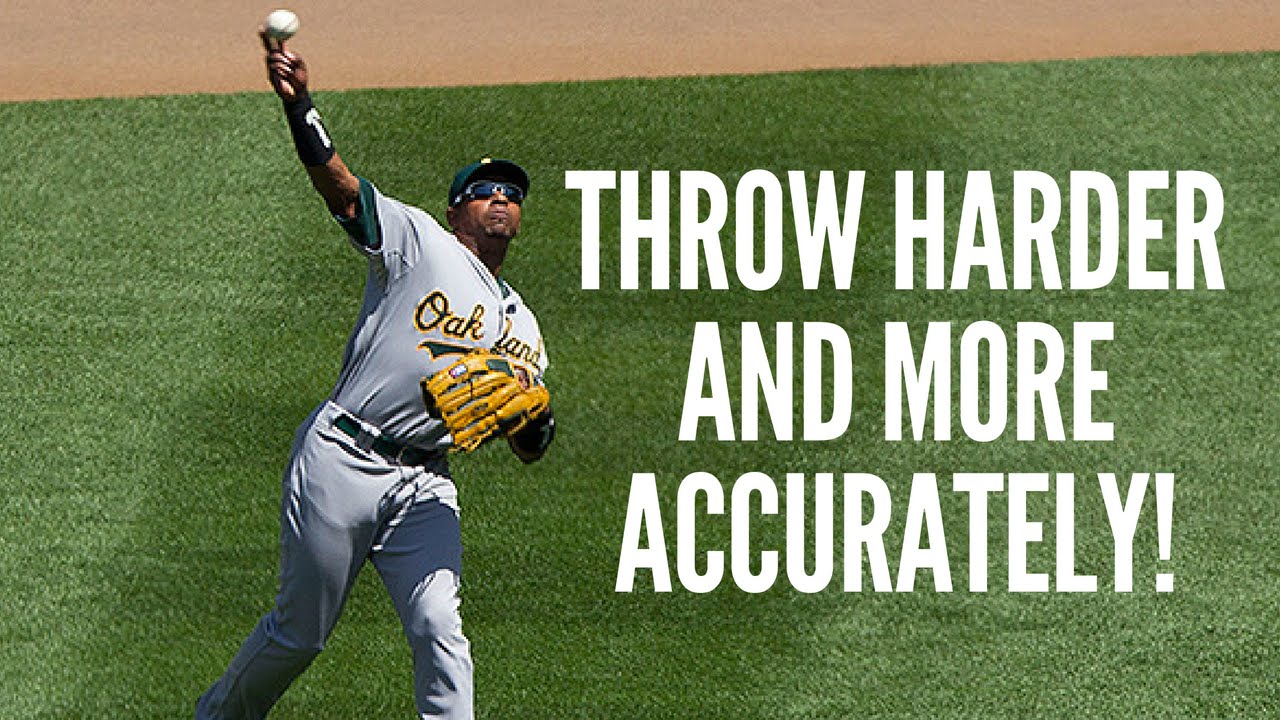
Image Source: i.ytimg.com
The Foundational Elements of Accurate Throwing
Before we delve into advanced techniques, let’s cover the bedrock of accurate throwing. These are the building blocks upon which all other skills are developed.
Deconstructing the Grip
How you hold the baseball is crucial. A consistent grip provides a stable base for imparting spin and directing the ball.
- The Four-Seam Grip: This is often considered the most accurate grip. Place your index and middle fingers across the seams that run parallel to each other, forming a “horseshoe.” Your thumb should be on the underside of the ball, between the two seams. This grip allows for maximum backspin, leading to a straighter, more predictable trajectory.
- The Two-Seam Grip: For this grip, place your fingers along the seams that are closest together. Your thumb rests on the opposite side. This grip tends to create more movement and can be slightly less accurate for some players due to its tendency to create more natural movement.
- Experimentation: While these are standard grips, find what feels most comfortable and allows for the most control. Grip consistency is key; practice with your chosen grip until it becomes second nature.
Achieving Optimal Arm Slot
Your arm slot refers to the angle at which your arm comes forward during the throwing motion. Consistency here is vital for repetition and predictability.
- High Arm Slot (Over the Top): This is common for pitchers. It typically results in a more downward angle on the ball, which can be harder for batters to hit squarely.
- Three-Quarter Arm Slot: A mid-range slot, offering a good balance of downward angle and arm-side run.
- Sidearm Slot: Throwing from a lower angle. This can create significant horizontal movement, making it difficult for hitters to track.
- Low Arm Slot (Underhand): Less common in baseball, but used in some specific situations.
Why Arm Slot Matters: A consistent arm slot ensures that the release point of the ball is the same every time. Any variation in your arm slot will change the trajectory and perceived location of the ball for the catcher or target.
Building the Throwing Motion: Mechanics in Action
The entire body contributes to an accurate throw. It’s not just about the arm.
The Power of Leg Drive
Your legs are the engine of your throw. A strong leg drive generates momentum that travels up through your body.
- Stance: A balanced, athletic stance is the starting point.
- The Push-Off: As you begin your throwing motion, push off the mound or ground with your back leg. This forward drive initiates the kinetic chain.
- Stride: A controlled stride towards your target directs your body’s energy. The length and direction of your stride can influence accuracy. Too long a stride can lead to falling off your target.
Mastering Body Rotation
Once your legs are engaged, your core and torso take over. Effective body rotation transfers energy from your lower body to your upper body and ultimately to your arm.
- Hip Rotation: Lead with your hips. As your stride leg lands, your hips should begin to rotate towards the target. This pre-loads your upper body.
- Torso Rotation: Your torso follows your hips, unwinding like a spring. This controlled rotation generates significant power and velocity.
- Shoulder Separation: The separation between your hips and shoulders is a key indicator of good rotational power. Your shoulders should lag slightly behind your hips, creating a “stretch” that is released at the right moment.
The Crucial Role of the Arm and Wrist
This is where the ball is finally delivered.
- Arm Acceleration: As your body rotates, your arm accelerates forward. The elbow should lead the hand, maintaining a relatively consistent arm path.
- The Wrist Snap: This is the final burst of energy. A sharp wrist snap at the point of release imparts spin and velocity to the ball. Think of it like cracking a whip. The wrist should pronate (turn inward) slightly during the release.
- The Follow-Through: This is as important as the initial arm action. A full follow-through ensures that your arm decelerates gradually, preventing injury and promoting a smooth, controlled release. Your throwing arm should naturally come across your body after releasing the ball.
Putting it All Together: Drills for Precision
Consistent practice with the right drills is the path to mastery.
Target Practice: The Direct Approach
The most straightforward way to improve accuracy is through dedicated target practice.
- Close-Range Accuracy: Start close to your target (e.g., 10-15 feet). Focus on hitting a specific spot on a catcher’s mitt or a designated area on a wall. This builds immediate feel and control.
- Increasing Distance: Gradually increase the distance as your accuracy improves.
- Varying Targets: Don’t just aim for the center. Practice hitting different areas of the strike zone or specific locations on a base.
Throwing Drills for Repetition and Refinement
These drills help engrain proper mechanics and build muscle memory.
Drill 1: Mirror Work
- Description: Stand in front of a mirror and go through your throwing motion without a ball. Focus on the proper sequencing of your body: leg drive, hip rotation, torso rotation, arm path, and follow-through.
- Focus: Correcting any visible flaws in your pitching mechanics or body rotation.
Drill 2: Towel Drills
- Description: Hold a rolled-up towel like a baseball. Go through your throwing motion, focusing on the feeling of the whip-like action at the end. This helps develop the wrist snap without the stress of throwing a ball.
- Focus: Improving arm speed and the wrist snap sensation.
Drill 3: Wall Sits with Ball Toss
- Description: Sit against a wall with your knees bent at a 90-degree angle. Hold a baseball. Practice throwing to a partner or target from this position. This isolates leg drive and core stability.
- Focus: Strengthening legs and improving core engagement for leg drive.
Drill 4: Step-Through Throws
- Description: From a standstill, step forward with your throwing side foot and simultaneously throw. This emphasizes the transfer of weight and body rotation.
- Focus: Connecting leg drive and body rotation for a fluid motion.
Drill 5: Balance Throws
- Description: Stand on one leg and throw the ball to a partner. This improves balance and requires greater core control, which is essential for maintaining a consistent arm slot.
- Focus: Enhancing balance and core stability, which supports arm slot consistency.
The Importance of Arm Care and Conditioning
Throwing a baseball puts significant stress on your arm. Proper arm care is not optional; it’s essential for longevity and consistent performance.
- Warm-Up: Always warm up thoroughly before throwing. This includes light cardio and dynamic stretching.
- Cool-Down: After throwing, cool down with static stretching.
- Strength Training: Focus on strengthening the muscles in your rotator cuff, shoulder, and core. Exercises like external and internal rotations, rows, and planks are beneficial.
- Flexibility: Maintain good shoulder and thoracic spine flexibility.
- Listen to Your Body: Don’t push through pain. If you feel discomfort, rest and consult a professional.
Advanced Considerations for Elite Accuracy
Once you have the fundamentals down, you can refine your technique further.
Fine-Tuning Your Arm Slot
- Consistency is King: While variations exist, your arm slot should be as consistent as possible for a given pitch. Focus on repeating the same arm path.
- Arm Slot and Pitch Movement: Different arm slots can influence the movement of pitches. For example, a sidearm slot might create more arm-side run or sink.
The Art of Follow-Through
A proper follow-through isn’t just about preventing injury; it’s about control.
- Full Range of Motion: Allow your arm to move naturally across your body. This helps decelerate your arm safely and ensures a complete release of energy.
- Balance After Release: A good follow-through often results in you finishing in a balanced position, facing your target.
Grip Consistency for Different Pitches
While we’ve discussed general grips, pitchers often adjust their grips for different pitch types. The key is grip consistency for each specific pitch.
- Fastball: Often a four-seam or two-seam grip for maximum velocity.
- Curveball: Fingers are typically placed on a seam, and the wrist is “pulled down” to create topspin.
- Slider: Similar to a fastball grip but with the index finger slightly off the seam, and a snapping action that creates more lateral movement.
Common Mistakes That Hinder Accuracy
Identifying and correcting these common errors can significantly boost your precision.
Rushing the Throw
- Problem: Trying to throw too hard too quickly, neglecting the proper sequencing of your mechanics.
- Solution: Focus on smooth, controlled acceleration. Let your leg drive and body rotation do the work. Prioritize grip consistency and arm slot stability over sheer velocity.
Over-Throwing
- Problem: Exerting excessive force, leading to a loss of control.
- Solution: Trust your mechanics. Often, a more relaxed, controlled throw with good follow-through is more accurate than one thrown with maximum effort.
Lack of Follow-Through
- Problem: Cutting the throwing motion short, resulting in a jerky release and reduced accuracy.
- Solution: Consciously focus on completing the follow-through. Imagine your arm continuing its path across your body.
Inconsistent Arm Slot
- Problem: Your arm slot varies from throw to throw, making your release point unpredictable.
- Solution: Practice drills that emphasize a stable arm slot, like mirror work and balance throws.
Poor Balance
- Problem: Losing balance during the throwing motion, especially after release.
- Solution: Work on core strength and stability. Drills like standing on one leg and controlled strides can help.
The Psychological Aspect of Accuracy
Beyond the physical mechanics, mental focus plays a crucial role.
- Visualization: Before throwing, visualize the ball traveling along the desired path and hitting the target.
- Focus on the Target: Keep your eyes locked on your target throughout the entire throwing motion.
- Confidence: Believe in your ability to make accurate throws. Confidence breeds consistency.
Conclusion: The Journey to Pinpoint Accuracy
Achieving exceptional accuracy in baseball is a continuous journey. It demands dedication to refining your pitching mechanics, maintaining grip consistency, perfecting your arm slot, executing a complete follow-through, engaging in diligent target practice, and performing regular throwing drills. Prioritizing arm care, utilizing proper leg drive, employing efficient body rotation, and mastering the wrist snap are all integral components. By systematically addressing each of these elements and committing to consistent practice, you can transform your throwing ability and become a more accurate and effective player.
Frequently Asked Questions (FAQ)
Q1: How can I improve my fastball accuracy?
A1: To improve fastball accuracy, focus on maintaining a consistent four-seam grip, a stable arm slot, and a strong leg drive. Ensure a full follow-through and practice target practice with a focus on hitting specific areas.
Q2: Is it better to have a high or low arm slot for accuracy?
A2: Neither a high nor a low arm slot is inherently better for accuracy; consistency is paramount. Whatever your natural or preferred arm slot, the key is to keep it the same for every throw to ensure a predictable release point.
Q3: How often should I do throwing drills?
A3: Aim to incorporate throwing drills into your routine several times a week, especially during the season. Adjust the frequency and intensity based on your training schedule and how your arm feels. Always include proper warm-up and cool-down.
Q4: What’s the most important part of a throw for accuracy?
A4: While all components are important, maintaining grip consistency and a stable arm slot are arguably the most critical for accuracy. These directly influence the release point and trajectory of the ball.
Q5: Can I improve my accuracy without having a strong arm?
A5: Absolutely. Accuracy is more about technique and control than raw velocity. By focusing on proper pitching mechanics, leg drive, body rotation, and follow-through, you can significantly improve your accuracy even if you don’t throw extremely hard.