
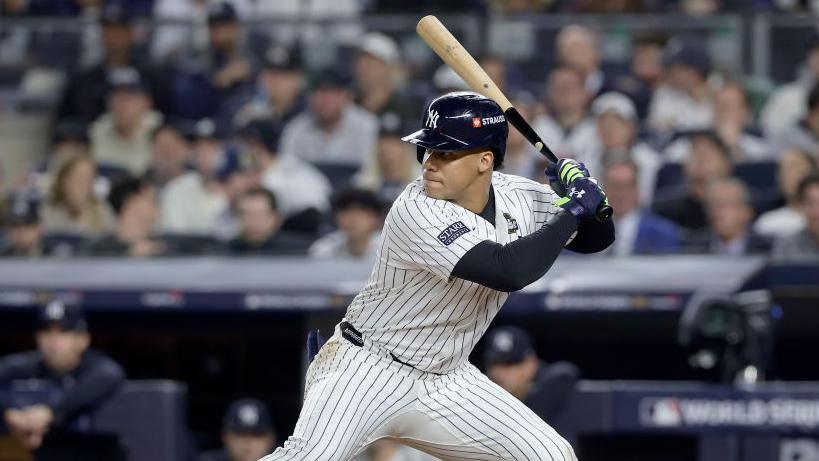
Image Source: ichef.bbci.co.uk
The Truth: Why Do Baseball Players Get Paid So Much
Baseball players earn exceptionally high salaries primarily due to a potent combination of immense athletic talent, significant market demand, lucrative endorsement deals, and the massive revenue generation capabilities of the sport. What makes a baseball player’s salary soar? It boils down to their rare skills, the sport’s popularity, and the financial ecosystems that surround it.
The world of professional baseball, particularly Major League Baseball (MLB), operates on a scale of economics that can seem astronomical to the average observer. When you see a star player signing a multi-year, nine-figure contract, it’s natural to wonder how such figures are justified. The answer isn’t a single, simple explanation but rather a complex interplay of factors that create a high-value proposition for top-tier athletes.
The Foundation: Athletic Talent and Skill
At the core of any player’s earning potential is their athletic talent. Baseball, while perhaps not as physically demanding in terms of constant, high-impact exertion as some other sports, requires an extraordinary level of skill, precision, and mental fortitude. The ability to hit a 100 mph fastball, throw a curveball with pinpoint accuracy, or make a diving catch in the outfield are feats that very few people on Earth can achieve. This scarcity of elite skill is the bedrock upon which high salaries are built.
The Rarity of Elite Performance
- Hitting: Making consistent contact with a ball traveling at extreme speeds, with unpredictable movement, is incredibly difficult. The best hitters succeed only about 30% of the time, meaning even their “failures” are exceptional compared to the general population.
- Pitching: Throwing a baseball with velocity and control, while also mastering a variety of pitches that fool batters, demands a unique biomechanical and mental capacity. Pitchers often work with high injury risk, which also influences their compensation.
- Fielding: The agility, reaction time, and hand-eye coordination required for elite defensive play, from a shortstop turning a double play to an outfielder tracking a fly ball, are highly specialized skills.
These skills are honed over years of dedicated practice and development, often starting from a young age. Only a tiny fraction of those who play baseball reach the professional level, and an even smaller percentage achieve superstardom. This inherent rarity of top-tier athletic talent is a primary driver of their value.
The Engine: Market Demand and Revenue Generation
Beyond individual skill, the immense popularity of baseball fuels a massive economic engine. Market demand for baseball, and for the star players who define it, is incredibly high. This demand translates directly into revenue for teams and, by extension, their players.
How Baseball Generates Billions
Baseball teams are not just sports franchises; they are powerful businesses. Their ability to generate revenue is multifaceted and consistently robust.
- Ticket Sales: Stadiums are filled with passionate fans eager to watch their favorite teams and players. While attendance figures fluctuate, the sheer volume of games played over a season (162 in MLB) ensures a steady stream of income from ticket purchases, concessions, and parking.
- Broadcasting Rights: This is arguably the largest revenue stream for MLB. National television deals, regional sports networks, and the league’s own streaming services pay billions of dollars for the rights to broadcast games. The captivating narratives and star power of players are essential to these deals.
- Merchandising: Jerseys, hats, memorabilia – the sale of team and player-branded merchandise is a significant income source. Star players, in particular, drive much of this sales volume.
- Sponsorships and Advertising: Corporations pay handsomely to associate their brands with MLB teams and players. This includes stadium advertising, uniform patches, and official league sponsorships.
- International Markets: Baseball has a growing international following, with fan bases in Latin America, Asia, and beyond, further expanding revenue opportunities.
The collective revenue generated by these sources is staggering. When a team can generate hundreds of millions of dollars annually, a significant portion can be allocated to player salaries. The players who are the most recognizable and draw the most fan attention are the ones who directly contribute to higher revenue generation.
The Multiplier Effect: Endorsement Deals and Brand Value
The impact of star baseball players extends far beyond the ballpark. Their fame and influence make them highly sought-after for endorsement deals.
- Personal Branding: Top players become brands in themselves. Their faces and names are used to sell everything from athletic shoes and apparel to cars, insurance, and fast food.
- Marketing Power: Companies are willing to pay top dollar for access to a player’s fan base and the positive associations they bring. A well-known player can significantly boost a product’s sales.
- Global Reach: Many MLB stars have a significant international following, making them valuable for global marketing campaigns.
These endorsement deals provide players with income streams independent of their team contracts, further increasing their overall wealth and the perceived value of their athletic prowess. The more marketable a player is, the more leverage they have in both contract negotiations and endorsement opportunities.
The Team’s Perspective: Profitability and Competition
While players earn large sums, it’s important to consider the financial health of the teams. Team profitability is a key factor in how much teams are willing and able to spend on player salaries.
- Revenue Sharing: MLB has a revenue-sharing system that helps to equalize the financial playing field between larger market and smaller market teams. However, teams in major metropolitan areas with larger fan bases and more lucrative media markets generally have higher revenue potential.
- Luxury Tax: MLB employs a luxury tax system, which penalizes teams that spend above a certain payroll threshold. This system, while controversial, aims to prevent a complete runaway of salaries and encourage more competitive balance, though it hasn’t entirely curbed high spending by wealthy franchises.
- Winning Drives Revenue: Ultimately, successful teams—those that consistently contend for championships—tend to generate more revenue through increased ticket sales, higher broadcasting fees, and greater merchandise demand. Investing in top athletic talent is often seen as a necessary cost of doing business to achieve this success.
A team’s ability to maintain team profitability while also acquiring and retaining top talent is a delicate balancing act. However, the economic model of baseball generally supports substantial player payrolls for teams that can generate the necessary revenue.
The Negotiation Table: Contracts and Performance
The specific salary a player receives is determined through contract negotiations. This is where the player’s agent and the team’s front office hash out the terms of employment.
Key Elements in Contract Negotiations
- Salary: The base compensation for the player’s services.
- Length of Contract: Longer contracts often come with higher average annual values but can also carry more risk for the team if a player’s performance declines.
- Performance Bonuses: These are incentives tied to specific achievements, such as hitting milestones, winning awards, or team success (e.g., winning the World Series). Performance bonuses can add significant upside to a player’s earnings.
- Signing Bonuses: A lump sum paid to the player upon signing the contract.
- Deferred Compensation: A portion of the salary paid out over a later period, often with interest.
- No-Trade Clauses: Clauses that prevent a player from being traded without their consent, offering valuable security.
The power dynamic in contract negotiations is influenced by several factors: the player’s current performance, their potential, their age, their arbitration eligibility (or lack thereof if they are already free agents), and the team’s needs and financial capacity. A player coming off a stellar season with strong performance bonuses will likely command a higher salary than one whose statistics were less impressive.
The Long Game: Career Longevity and Impact
While a player’s prime might be relatively short, the potential for career longevity and the long-term impact of a star player can influence their contract value.
- Value Beyond Statistics: Even as a player ages, their experience, leadership, and the respect they command in the clubhouse can hold significant value for a team. This intangible aspect can be factored into negotiations.
- Building a Fan Base: A star player can become the face of a franchise for years, attracting fans to the ballpark and fostering loyalty. This long-term fan engagement is a valuable asset.
- Marketability Over Time: Some players maintain their marketability and endorsement potential even as their on-field performance may be slightly past its peak.
The desire for career longevity is also a factor for players. They want to secure contracts that provide financial stability throughout their playing days and beyond. This ambition, combined with the team’s desire to secure a player’s services for as long as possible, often leads to long-term, high-value contracts.
Comparing Baseball Salaries to Other Professions
To truly grasp the scale, it’s helpful to compare baseball salaries to other high-paying professions. While doctors, lawyers, and CEOs earn substantial incomes, the top baseball players often surpass them significantly. This disparity highlights the unique economic forces at play in professional sports.
Table 1: Hypothetical Annual Earnings Comparison (Illustrative)
| Profession | Average Salary (USD) | Top Earner (USD) |
|---|---|---|
| Baseball Player | $4.5 Million | $50 Million+ |
| Surgeon | $400,000 | $1 Million+ |
| Corporate Lawyer | $200,000 | $1 Million+ |
| CEO (S&P 500) | $15 Million | $50 Million+ |
Note: These figures are general estimates and can vary widely based on experience, location, and specific industry within each profession.
As the table illustrates, the top outliers in baseball earnings are often far greater than the top earners in many other highly respected and demanding professions. This is a direct consequence of the unique business model of professional sports.
The Role of Agents
A crucial part of the salary equation is the player’s agent. These professionals are skilled negotiators whose expertise is vital in securing the best possible contracts for their clients.
- Market Expertise: Agents have a deep understanding of player values across the league, contract precedents, and the financial situations of various teams.
- Negotiation Tactics: They employ strategies to maximize compensation, including leveraging other teams’ interest and highlighting a player’s unique contributions.
- Endorsement Management: Many agents also manage endorsement deals, further increasing a player’s overall earning potential.
The commission an agent earns (typically 3-5% of a playing contract and 10-20% of endorsement deals) is a testament to the significant financial upside they can generate for players.
The Future of Baseball Salaries
The economic landscape of baseball is constantly evolving. Factors like the growth of streaming services, international expansion, and new technologies could further influence player salaries in the future. The continued emphasis on revenue generation and the inherent value of athletic talent suggest that baseball players will likely continue to command high salaries, especially those who excel in the sport and possess strong market demand. The cycle of ticket sales, broadcasting rights, and endorsement deals will continue to fuel this economic powerhouse.
Frequently Asked Questions (FAQ)
Q1: Are all baseball players millionaires?
No, while many MLB players earn seven-figure salaries, not all of them do. Minor league players, for example, earn significantly less. Even within MLB, there’s a wide range, with star players earning vastly more than role players or those on minimum contracts.
Q2: How much do minor league baseball players make?
Minor league salaries are considerably lower than MLB salaries, often ranging from a few hundred dollars a week during the season to around $15,000-$30,000 per year for players in the higher minor league levels. Many minor leaguers also don’t receive pay during the offseason.
Q3: What is a typical contract length for a star baseball player?
Star players often sign contracts ranging from 3 to 10 years, with some of the biggest deals extending even longer. This provides the player with financial security and the team with a core piece for an extended period.
Q4: How do performance bonuses work?
Performance bonuses are incentives added to a player’s base salary that are paid out upon achieving specific statistical or award-related milestones. Examples include bonuses for hitting a certain number of home runs, achieving a low earned run average (ERA), or winning individual awards like the MVP or Cy Young. These are part of contract negotiations.
Q5: Why are baseball salaries so much higher than in some European soccer leagues?
While top European soccer stars earn enormous sums, the overall revenue structure and popularity of baseball in the United States contribute to the higher average salaries in MLB. The North American sports market, particularly the U.S., has a unique economic ecosystem that drives massive revenue through broadcasting rights and fan engagement, directly impacting player compensation. The market demand in the U.S. is a significant differentiator.