
Can baseball be played in the rain? Generally, no, baseball games are not played in the rain due to player safety, the integrity of the game, and the condition of the field. While light drizzles might sometimes be played through, heavier rain quickly makes conditions unsafe and unfair for players and can damage the playing surface.
Baseball, often called America’s Pastime, has a deep-rooted connection to fair weather. But what happens when the skies open up? This article dives into the fascinating world of baseball rain rules, explaining why even a little drizzle can lead to baseball rain delays and ultimately baseball rainouts. We’ll explore the science behind it, the impact on players, and how decisions are made regarding baseball playing in rain.
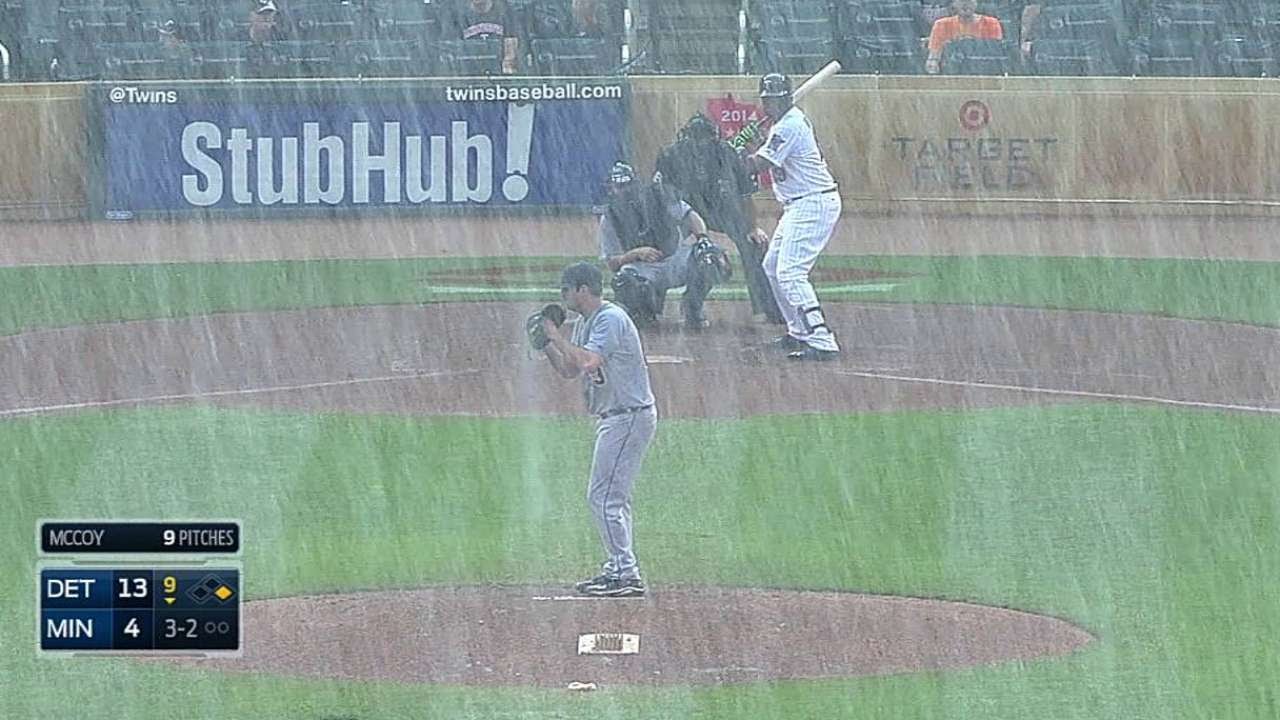
Image Source: i.ytimg.com
The Crucial Role of the Baseball Field
The baseball field conditions are paramount to a fair and safe game. A well-maintained field is a complex ecosystem of dirt, clay, and grass. Rain dramatically alters these conditions, creating a host of problems.
The Pitcher’s Mound and Home Plate Area
These areas are typically made of a specific clay mixture designed to be firm and provide good footing. When wet, this clay can become incredibly slippery, almost like mud.
- Pitching in the Rain: Imagine trying to pitch a baseball when your feet are slipping. This directly impacts baseball pitching in rain. A pitcher needs a stable base to generate power and control. If their feet slide, they can lose velocity, accuracy, and even injure themselves. The risk of a pitcher stepping on the rubber and slipping is very high.
- Batting in the Rain: Similarly, batters rely on solid footing to drive through their swing. Baseball batting in rain becomes treacherous. A batter could slip as they stride or even during their swing, leading to awkward swings or falls. This not only reduces their ability to hit effectively but also significantly increases the risk of injury.
- Catchers and Infielders: Catchers need to be able to move quickly and squat comfortably. Wet infield dirt can also be a hazard for infielders trying to field ground balls or make throws. The ball can take unpredictable hops on wet surfaces, making plays much harder and more dangerous.
The Outfield Grass
While grass might seem like it can handle rain better, it also presents issues.
- Slippery Surfaces: Wet grass is notoriously slippery. Outfielders chasing down fly balls could easily slip and fall, risking collisions with walls or other players.
- Ball Control: Balls hit into wet grass can slow down considerably, changing the dynamics of how a play is made. The ball might get “plugged” in the turf, making it difficult to field cleanly.
Player Safety: The Top Priority
Ultimately, baseball safety rain concerns are the primary driver behind canceling or postponing games. No amount of revenue or fan excitement is worth a serious injury to a player.
The Risks of Slipping and Falling
- Ankle and Knee Injuries: The most common injuries in slippery conditions are sprains and tears of the ankles and knees. Losing footing while running, throwing, or swinging can put immense stress on these joints.
- Muscle Strains: Sudden slips can also lead to pulled muscles, particularly in the legs and back.
- Impact Injuries: A fall on a wet surface, especially if a player loses their balance entirely, can lead to impact injuries like bruises, fractures, or even concussions if their head hits the ground or a wall.
Impact on Performance and Control
Beyond direct injury, baseball playing in rain affects a player’s ability to perform at their best.
- Grip Issues: The baseball itself becomes slick with rain. This makes it harder for pitchers to grip the ball securely, affecting their control and ability to throw breaking pitches effectively. A wet ball can also slip out of a batter’s or fielder’s grasp.
- Visibility: Heavy rain can reduce visibility for both players and umpires, making it harder to see pitches, fly balls, or calls.
Maintaining the Integrity of the Game
Baseball rain rules are also in place to ensure that the game is played under fair and consistent conditions.
Fair Play and Competitive Balance
Playing in adverse weather can create an uneven playing field.
- Advantage for Certain Players: Some players might be more adept at playing in wet conditions than others. However, forcing games to be played in these conditions could artificially favor certain teams or players.
- Unpredictable Outcomes: Rain can lead to errors and unpredictable outcomes that might not reflect the true skill or preparation of the teams involved. A team that excels in dry conditions might be disadvantaged significantly by wet weather.
Equipment Concerns
- Wooden Bats: Wooden bats can absorb moisture, becoming heavier and potentially more prone to breaking. This can create dangerous situations with flying splinters.
- Leather Gloves: Leather gloves also absorb water, becoming heavier and less responsive, making it harder to catch the ball securely.
The Decision-Making Process: Who Decides?
The decision to delay or postpone a game due to weather is a complex one, involving several parties and adhering to specific baseball weather policies.
Umpires and Home Plate Umpire
The home plate umpire typically has the final say on whether the playing conditions are safe and suitable to begin or continue a game. They are responsible for assessing the field conditions, the intensity of the rain, and the potential for improvement.
Field Maintenance Crew
The groundskeepers play a vital role in preparing and maintaining the field. They work to dry the infields, especially around the bases, pitcher’s mound, and home plate, using tarps and drying agents. However, even their best efforts have limitations when the rain is persistent or heavy.
Team Management and League Officials
While the umpires make the final call on the field, team managers and league officials are involved in discussions and often have input, especially regarding rescheduling.
Factors Considered in the Decision
When deciding whether to play, delay, or postpone, officials consider:
- Intensity of the Rain: Is it a light drizzle or a downpour?
- Duration of the Rain: Is the rain expected to stop soon, or is it forecast to continue for the duration of the game?
- Field Condition: How much water has accumulated on the infield and outfield? Are the key areas like the pitcher’s mound and home plate playable?
- Temperature: Cold temperatures combined with rain can be particularly dangerous, increasing the risk of hypothermia and making the field even more slippery.
- Lightning: Any sign of lightning will almost always lead to an immediate suspension of play and evacuation of the field.
- Future Forecast: If the forecast suggests the rain will continue or worsen, officials may decide to postpone the game rather than risk a delay that ultimately leads to a cancellation.
Baseball Rain Delays vs. Baseball Rainouts
It’s important to distinguish between a baseball rain delay and a baseball rainout.
Baseball Rain Delays
A rain delay is a temporary suspension of play. The game is halted, but the intention is to resume it once the weather improves and the field is playable. During a delay, grounds crews often work to dry the infield.
Baseball Rainouts
A rainout is a complete cancellation of a scheduled game due to weather. When a game is rained out, it must be rescheduled.
Rescheduling Challenges
Rescheduling can be tricky, especially during a long season. Teams might have to play doubleheaders (two games in one day) or adjust their travel schedules. This can lead to:
- Player Fatigue: Playing extra games can increase player fatigue, which in turn raises the risk of injuries.
- Pitcher Workload: Managers have to carefully manage their pitching staff, as starting pitchers often need a certain number of days of rest between starts.
- Fan Impact: Rescheduling might mean fans who purchased tickets for the original game need to exchange them for a new date, which may not be convenient for everyone.
Specific Baseball Rain Rules and Policies
Major League Baseball (MLB) and other professional leagues have detailed baseball weather policies that guide these decisions. While the exact wording can vary, the core principles remain the same: player safety and game integrity.
The “Playable” Field Standard
The definition of a “playable” field is subjective to some extent, but it generally means that players can perform their duties without an unreasonable risk of injury. This includes:
- Firm footing: Players should be able to run, pivot, and stop without excessive slipping.
- Dry or manageable moisture: Key areas should not be waterlogged to the point where the ball takes erratic hops or players cannot grip the bat or ball properly.
- Visibility: Umpires need to be able to see the entire field and the ball clearly.
Historical Context
Throughout baseball history, there have been many instances of games being played in less-than-ideal conditions. However, as sports medicine and player safety have become more sophisticated, the thresholds for what is considered too wet or too dangerous have become stricter. This evolution reflects a greater emphasis on the long-term health of the athletes.
Can Baseball Be Played in Light Rain?
Sometimes, yes. If the rain is very light and the field drains well, a game might continue. However, the decision is always made with the potential for the rain to worsen in mind. Even a light rain can make the ball slippery, affecting the pitcher’s grip and the hitter’s ability to make solid contact.
Table 1: Factors Affecting Playability in Rain
| Factor | Impact on Gameplay | Safety Concern |
|---|---|---|
| Pitcher’s Mound | Slippery footing, loss of traction, inconsistent release point. | Risk of pitcher slipping during delivery, leading to arm or leg injuries. |
| Home Plate Area | Similar to the mound, batters and runners risk slipping. | Batters falling during swing, runners falling while rounding bases. |
| Infield Dirt | Becomes soft and muddy, can cause unpredictable ball hops. | Fielders may misplay balls, leading to injuries from unexpected ball trajectories. |
| Outfield Grass | Can become slick and slippery, ball can plug into the turf. | Outfielders can slip and fall, increasing risk of collisions or twisted joints. |
| Baseball Itself | Becomes wet and slippery, difficult for pitchers to grip, hitters to swing, and fielders to catch. | Reduced control for pitchers, fumbled catches for fielders, dropped balls. |
| Visibility | Heavy rain can obscure vision for players and umpires. | Players may not see incoming balls or bases, increasing collision risk. |
| Lightning | Immediate danger to everyone on the field. | Direct risk of electrocution. |
| Temperature | Cold and wet conditions increase risk of hypothermia and muscle stiffness. | Increased susceptibility to muscle strains and other cold-weather injuries. |
The Spectacle and the Science
While fans might lament baseball rainouts, the underlying reasons are grounded in practicality and a commitment to the well-being of the players. The beauty of baseball, with its intricate dance between pitcher and batter, relies on precise movements and stable conditions. When the elements conspire to make the field a hazard, the game must pause.
The decision-making process for baseball rain rules is a delicate balance. It’s about respecting the tradition of the game while modernizing its approach to player welfare. The goal is always to ensure that when the game is played, it is played fairly, safely, and to the highest standard possible, free from the debilitating effects of baseball slippery conditions.
Frequently Asked Questions (FAQ)
Q1: Can a baseball game be played if it’s just drizzling?
A1: Sometimes. If the drizzle is very light and the field is draining well, umpires might decide to play. However, they will be watching closely to see if the rain intensifies or if the baseball field conditions worsen.
Q2: What happens if a game is delayed due to rain?
A2: If a game is delayed, play is temporarily suspended. Grounds crews often work to dry the infield. The game will resume if the weather improves and the field becomes playable.
Q3: What is a baseball rainout?
A3: A rainout is when a scheduled baseball game is completely canceled due to rain or other weather conditions, and it must be rescheduled for a later date.
Q4: Who makes the decision to postpone a baseball game?
A4: The home plate umpire has the ultimate authority to decide whether the playing conditions are safe and suitable to begin or continue a game. They consider input from field crews and league officials.
Q5: Why is baseball so sensitive to rain compared to other sports?
A5: Baseball involves precise movements, reliance on grip for both pitchers and hitters, and a meticulously maintained playing surface. The combination of a slick ball, slippery surfaces, and the need for consistent footing makes baseball particularly susceptible to weather disruptions.
Q6: Can players refuse to play in the rain?
A6: Players are expected to play if the umpires deem the conditions safe. However, player safety is a primary concern, and if a player feels a condition is unsafe, they can report it. The umpire’s decision is final on playability.
Q7: How does rain affect the baseball itself?
A7: Rain makes the leather cover of the baseball wet and slippery, making it harder for pitchers to grip and control their pitches. It also affects hitters’ grip and fielders’ ability to catch the ball cleanly.
Q8: What happens to tickets if a game is rained out?
A8: Generally, if a game is rained out before it officially begins or before a certain number of innings are completed (depending on league rules), ticket holders can exchange their tickets for a future game. Policies vary by league and team.