
College baseball teams use aluminum bats primarily because of their enhanced performance characteristics and durability compared to traditional wood bats, a decision driven by a combination of factors including player development, safety, and the economics of the sport.
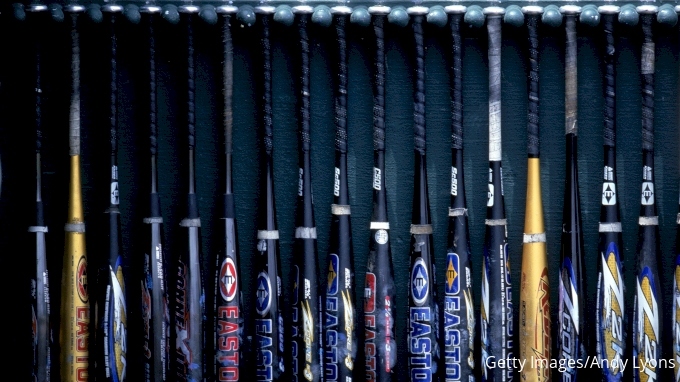
Image Source: d2779tscntxxsw.cloudfront.net
The Evolution of Baseball Bat Materials
Baseball, a sport steeped in tradition, has seen significant evolution not only in playing styles and strategies but also in the very equipment used. For much of its history, wood was the undisputed king of baseball bats. However, the 21st century brought about a revolution in baseball bat materials, ushering in the era of non-wood bats NCAA competitions and beyond. This shift wasn’t arbitrary; it was a direct response to advancements in baseball bat technology and a desire to enhance certain aspects of the game.
The Rise of the Aluminum Bat
The introduction and widespread adoption of aluminum, and later composite materials, marked a turning point. While the exact lineage can be traced to experimental designs and early patents, it was in the latter half of the 20th century that metal bats began to gain serious traction in amateur and collegiate baseball. The question of why aluminum vs wood is central to understanding this transition.
Aluminum Bat Advantages
The allure of the aluminum bat advantages is multifaceted. These bats offer a distinct set of benefits that directly impact the game and its participants:
- Increased Bat Speed: Due to their lighter weight-to-strength ratio, aluminum bats can be manufactured with thinner walls, making them lighter overall for a given length. This allows players to swing the bat faster, leading to more powerful hits.
- Larger Sweet Spot: The material properties of aluminum alloys and composite structures allow for larger, more forgiving hitting surfaces. This means that off-center hits are less likely to result in weak ground balls or easy outs, increasing the likelihood of solid contact.
- Durability and Cost-Effectiveness: Wood bats are prone to breaking, especially with the high impact forces generated by modern athletes. Aluminum and composite bats are significantly more durable, lasting through many seasons with proper care. This reduces the recurring cost of replacing broken bats, making them more economical for collegiate athletic programs.
- Consistent Performance: Unlike wood, which can vary in density and grain structure, manufactured metal bats offer a much more consistent level of performance from bat to bat. This predictability is valued in competitive environments.
- Reduced Vibration (Hum): While some players enjoy the feel of wood, metal bats generally transmit less shock and vibration to the hands upon impact, which can be more comfortable and reduce the incidence of hand fatigue or minor injuries.
College Baseball Bat Regulations: A Balancing Act
The adoption of metal bats, however, did not go unchecked. The significant performance differences between wood and metal created a need for regulation to ensure fair play and to maintain the integrity of the game. This is where college baseball bat regulations and bat rules college sports come into play.
The “Babe Ruth” Rule and Its Successors
Early iterations of metal bats were often criticized for being too powerful, leading to a phenomenon sometimes dubbed the “Babe Ruth” effect, where the ball seemed to jump off the bat with unprecedented velocity. This prompted governing bodies like the NCAA to implement specific standards.
The primary goal of these regulations is to control the “trampoline effect” – the degree to which the bat flexes and rebounds upon impact, effectively adding energy to the ball. Manufacturers of non-wood bats NCAA must adhere to these standards, which are often codified through specific testing procedures.
The BBCOR Standard: A Key Regulation
The most significant regulation governing metal bat performance in collegiate baseball today is the Bat-Ball Coefficient of Restitution (BBCOR) standard. Introduced in 2011, BBCOR aims to bring the performance of metal bats closer to that of wood bats.
The BBCOR standard measures how much energy is transferred from the bat to the ball. A BBCOR rating of 0.50 is considered equivalent to the performance of a wood bat. Bats that meet this standard are designed to reduce the trampoline effect, preventing the excessive exit velocities that characterized some earlier metal bats.
Why Aluminum vs. Wood? The Performance Divide
The fundamental difference in why aluminum vs wood bats are used boils down to physics and material science. Wood bats, being a natural material, have inherent limitations in their structural integrity and energy transfer capabilities. While a skilled hitter can maximize a wood bat’s potential, its performance is inherently tied to the quality and grain of the wood.
Aluminum and composite bats, on the other hand, are engineered products. They can be designed with specific wall thicknesses, barrel diameters, and internal structures to optimize energy transfer while remaining durable and relatively lightweight. This engineering allows for:
- Consistent Sweet Spot Size: The ability to create larger, more consistent sweet spots is a major draw. This is particularly important for player development, as it allows younger or less experienced players to make more consistent contact, fostering confidence and skill-building.
- Predictable Ball Flight: While BBCOR aims to regulate this, metal bats generally tend to produce more predictable ball flight characteristics due to their uniform construction.
- Material Considerations: The baseball bat materials used in metal bats, such as aluminum alloys and carbon fiber composites, offer a superior strength-to-weight ratio compared to wood. This is a critical factor in bat manufacturing college programs and for athletes seeking an edge.
Comparing Material Properties
| Feature | Wood Bats | Aluminum/Composite Bats (BBCOR Compliant) |
|---|---|---|
| Material | Ash, Maple, Birch | Aluminum alloys, Carbon fiber composites |
| Durability | Lower (prone to breaking) | Higher (resistant to breakage) |
| Sweet Spot | Smaller, less forgiving | Larger, more forgiving |
| Weight | Varies, often heavier for strength | Can be lighter for equivalent strength |
| Performance | More reliant on hitter’s skill | Engineered for consistent performance |
| Cost | Lower initial cost, higher replacement cost | Higher initial cost, lower replacement cost |
| Vibration | Can transmit more vibration | Generally less vibration |
| Regulation Focus | Less regulated (natural variance) | BBCOR standard to control trampoline effect |
The Impact on Player Development and Strategy
The use of aluminum bat advantages and the regulations surrounding them have a significant impact on how the game is played and how players develop.
Skill Development in the Metal Bat Era
While some purists argue that metal bats can mask deficiencies in swing mechanics, others contend that they provide a more accessible entry point for developing hitters. The larger sweet spot and increased forgiveness can help players build confidence and make more consistent contact, allowing them to focus on other aspects of their game, such as timing, pitch recognition, and defensive play.
Furthermore, the performance characteristics of BBCOR-compliant bats are designed to mimic wood bat performance to a degree. This means that while there might be subtle differences in exit velocity and ball flight, the fundamental skills of hitting – generating bat speed, staying through the ball, and making solid contact – remain paramount.
Strategic Considerations
The shift to metal bats has also influenced strategic decisions on the field. With the potential for more extra-base hits and a slightly more lively ball, teams might adjust their defensive alignments or pitching approaches. However, the BBCOR regulations have largely mitigated the extreme power advantages that were once associated with metal bats, bringing the game back into a more balanced state.
Bat Manufacturing College Programs and Innovations
The world of bat manufacturing college programs and sports equipment is constantly evolving. Companies invest heavily in research and development to create bats that optimize performance within the established regulatory frameworks. This involves sophisticated engineering and material science.
The Science Behind Modern Bats
- Alloy Design: Manufacturers use specific aluminum alloys that offer a balance of strength, flexibility, and responsiveness. These alloys are carefully chosen and treated to achieve desired performance characteristics.
- Composite Structures: Carbon fiber and other composite materials allow for even greater design flexibility. These materials can be layered and molded to create complex internal structures that optimize weight distribution, stiffness, and the trampoline effect.
- Wall Thickness and Tapering: The thickness of the bat’s barrel wall is a critical factor in its performance. Thinner walls generally lead to a higher trampoline effect, but they also increase the risk of breakage. Manufacturers use precise wall tapering and internal reinforcement to achieve the optimal balance for BBCOR compliance.
- End Caps and Knobs: Even seemingly minor components like end caps and knobs are engineered to contribute to the bat’s overall performance and feel.
The Future of Baseball Bat Technology
The pursuit of improved baseball bat technology is ongoing. While the BBCOR standard has stabilized the game, there’s always a drive to find new materials or design techniques that can offer a competitive edge within the rules. This could involve:
- Advanced Composite Weaves: Developing new ways to weave and orient composite fibers for enhanced strength and energy transfer.
- Hybrid Designs: Combining different materials within a single bat to leverage the strengths of each.
- Personalized Bat Profiling: While not yet mainstream, the future might see technologies that allow for more tailored bat designs based on individual player biomechanics.
What About Softball? Softball Bat Differences
It’s important to note that the discussion of metal bats in baseball is distinct from their use in softball, although there are similarities in the underlying material science and the drive for performance. Softball bat differences are significant and stem from the differences in the ball, pitching style, and game dynamics.
- Ball Size and Hardness: Softball balls are generally larger and less dense than baseballs, leading to different impact dynamics.
- Pitching Style: Softball pitching, particularly fastpitch, involves a different trajectory and spin, influencing how the bat interacts with the ball.
- Bat Regulations: Softball leagues often have their own specific bat standards (e.g., ISA, USSSA, ASA/USA Softball), which differ from NCAA BBCOR standards. These regulations focus on controlling the exit velocity of the softball, which can also be significantly influenced by bat technology.
While both sports benefit from the durability and consistency of non-wood bats, the specific engineering and performance targets are tailored to the unique characteristics of each game.
Frequently Asked Questions (FAQ)
Q1: Why don’t college baseball players use wood bats?
College baseball players use aluminum and composite bats primarily because of their enhanced performance (larger sweet spot, lighter feel for swing speed) and superior durability compared to wood bats. These factors contribute to a more consistent and potentially more exciting game, while also offering economic advantages to athletic programs due to fewer bat replacements.
Q2: Are aluminum bats better than wood bats in college baseball?
In terms of raw performance and durability, modern aluminum and composite bats, when properly regulated (like BBCOR), offer distinct advantages. They generally have a larger sweet spot and are more resistant to breakage. However, wood bats require a higher degree of skill to hit effectively, and some argue they provide a more authentic baseball experience. The use of aluminum/composite is a deliberate choice driven by a desire for consistency and player development.
Q3: Does the NCAA allow aluminum bats?
Yes, the NCAA allows aluminum and composite bats, but they must adhere to strict college baseball bat regulations, most notably the Bat-Ball Coefficient of Restitution (BBCOR) standard. This standard ensures that the performance of non-wood bats is comparable to that of wood bats, preventing an excessive “trampoline effect.”
Q4: What is the BBCOR standard?
BBCOR stands for Bat-Ball Coefficient of Restitution. It is a standard that measures the energy transfer between the bat and the ball. A BBCOR rating of 0.50 is considered the benchmark, approximating the performance of a wood bat. Bats that meet this standard are designed to reduce the trampoline effect and bring the performance of metal bats closer to that of wood.
Q5: Why is the BBCOR standard important?
The BBCOR standard is important for maintaining competitive balance and player safety in college baseball. Without it, the advanced baseball bat technology in aluminum and composite bats could lead to excessively high exit velocities, potentially making the game too difficult for fielders to play and altering the fundamental nature of hitting.
Q6: Are composite bats allowed in college baseball?
Yes, composite bats are allowed in college baseball, provided they meet the same college baseball bat regulations, including the BBCOR standard, as aluminum bats. Many players and teams opt for composite bats due to their advanced engineering and potential for fine-tuning performance characteristics.
Q7: How does aluminum bat technology differ from wood bat manufacturing?
Aluminum and composite bat manufacturing involves advanced material science, engineering, and precise machining. Manufacturers can meticulously control wall thickness, barrel shape, and internal structures to optimize performance and durability. Wood bat manufacturing relies on selecting and shaping natural wood, where inherent variations in grain and density can lead to differences in performance and susceptibility to breakage.
Q8: What are the key softball bat differences compared to baseball bats?
Key softball bat differences include regulations tailored to the softball (different size, hardness, and material), different pitching styles, and specific league standards (e.g., ISA, USSSA, ASA/USA Softball). While both sports utilize non-wood bats for performance and durability, the engineering and testing are specific to the dynamics of each sport.