
What is the process for creating a baseball field? The process of making a baseball field involves careful planning, site preparation, and the installation of various components to create a functional and safe playing surface. Can I build a baseball field on any piece of land? No, building a baseball field requires specific land characteristics, including adequate space, good drainage, and appropriate soil composition. Who is responsible for the maintenance of a baseball field? The responsibility for baseball field maintenance typically falls to groundskeepers, park and recreation departments, or dedicated volunteers.
Building a baseball field from scratch is a significant undertaking, but with this guide, you’ll have the knowledge to create a fantastic playing space. Whether for a local league, a school, or even a backyard dream, the principles remain the same: careful planning, diligent execution, and ongoing care.
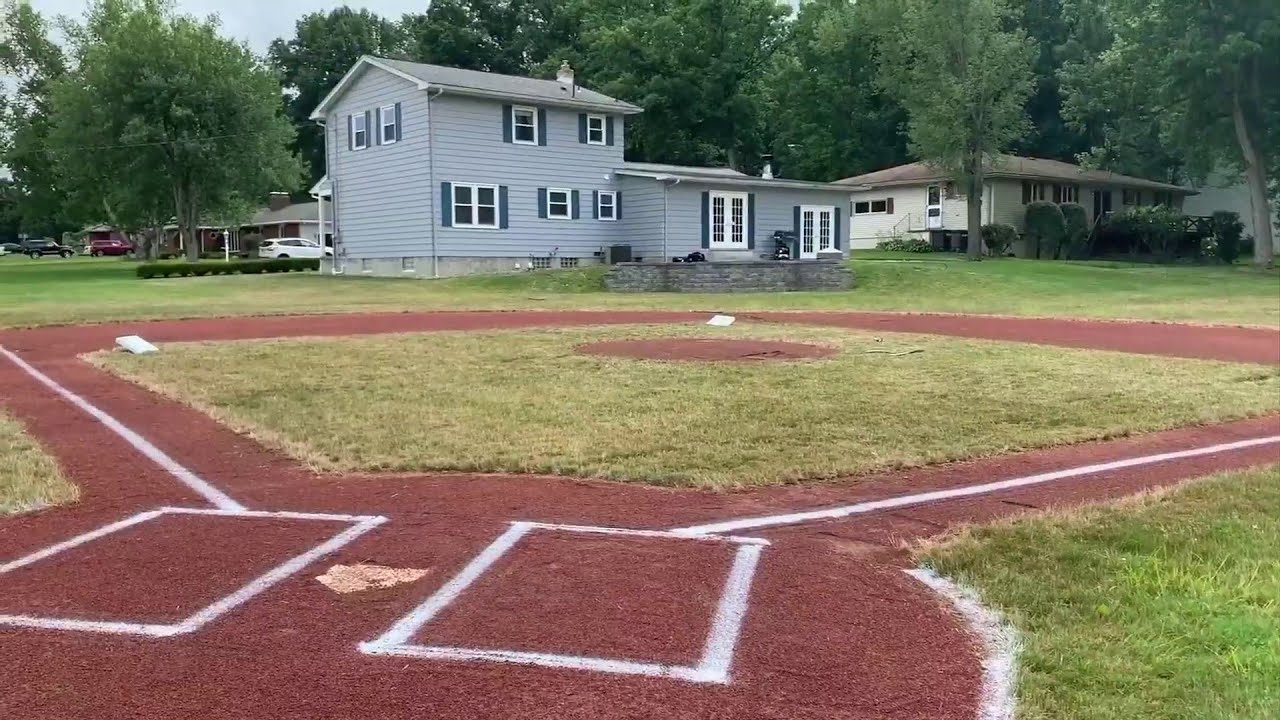
Image Source: i.ytimg.com
Laying the Foundation: Planning Your Baseball Field Layout
Before a single shovel of dirt moves, a detailed plan is essential. This involves more than just marking out bases; it’s about creating a functional and safe environment for players of all ages. The baseball field layout is the blueprint that guides every subsequent step.
Essential Components of a Baseball Field Layout
A well-designed baseball field layout ensures proper game flow, player safety, and an enjoyable spectator experience. Here are the key areas to consider:
- Infield: This is the heart of the field, encompassing the pitcher’s mound, batter’s boxes, and the area between home plate and the outfield.
- Outfield: The expansive grassy area beyond the infield, bordered by the outfield fence.
- Foul Lines: These are critical boundaries defining fair and foul territory.
- Dugouts: Shelters for players and coaches.
- Backstop: A barrier behind home plate to stop errant pitches and foul balls.
- Warning Track: A distinct surface, often of a different material, that alerts outfielders they are approaching the outfield fence.
Field Dimensions: A Crucial Consideration
The size of your baseball field depends on the age group and level of play. Here’s a general guideline for common field dimensions:
| Age Group | Distance Between Bases | Pitching Distance (Mound to Home Plate) | Outfield Fence Distance (Approximate) |
|---|---|---|---|
| Little League | 60 feet | 46 feet | 200-225 feet |
| Pony/Colt | 75 feet | 54 feet | 250-275 feet |
| High School | 90 feet | 60 feet 6 inches | 300-330 feet |
| Professional | 90 feet | 60 feet 6 inches | 325-400 feet |
Note: These are approximate distances and can vary based on league rules and specific field designs.
Site Selection: Where to Build
Choosing the right location is paramount. Consider:
- Space: Ensure you have enough room for the entire field, including foul territory and dugouts.
- Drainage: A level, well-draining site is crucial to prevent waterlogging.
- Sunlight: Orient the field to minimize glare for batters and fielders. Generally, home plate should face northeast to avoid direct sun in batters’ eyes during afternoon games.
- Accessibility: Easy access for players, spectators, and maintenance equipment.
Building the Heart of the Game: Baseball Infield Construction
The baseball infield construction is perhaps the most intricate and demanding part of building a baseball field. It requires a specific blend of materials and precise grading to create a smooth, firm, and safe playing surface.
Site Preparation: The Crucial First Steps
Before any materials are brought in, thorough site preparation is essential.
- Clearing and Grubbing: Remove all vegetation, trees, rocks, and debris from the designated playing area. This ensures a clean slate for construction.
- Excavation: Excavate the area to the desired depth, considering the different layers of the infield profile. This typically involves removing existing topsoil and creating a base for the new materials.
- Grading and Sloping: Proper field leveling is critical. The infield should have a slight crown or slope (typically 0.5% to 1%) away from home plate towards the outfield to facilitate drainage. This prevents water from pooling on the playing surface.
Layer by Layer: The Infield Profile
A well-constructed baseball infield is built with multiple layers, each serving a specific purpose:
- Sub-base (Base Material): This is the foundational layer, typically composed of compacted gravel or crushed stone. It provides structural support and aids in drainage.
- Filter Layer (Optional but Recommended): A thin layer of sand or geotextile fabric can be placed between the sub-base and the infield mix. This prevents finer materials from migrating into the gravel, maintaining drainage.
- Infield Mix: This is the playing surface itself, a carefully engineered blend of materials. The ideal mix usually includes:
- Coarse Sand: Provides good drainage and prevents compaction.
- Fine Sand: Adds firmness and stability.
- Clay: Acts as a binder, giving the infield its cohesive quality and smooth playing surface.
- Silt: Helps to bind the sand and clay.
The exact ratio of these components can vary, but a common guideline for a high-quality infield mix is approximately 70% sand, 15% clay, and 15% silt. Local soil conditions and climate can influence these ratios.
Dirt Infield Grading: Achieving Perfection
Dirt infield grading is an ongoing process, but the initial grading during construction is paramount.
- Crown Creation: As mentioned, a slight crown is necessary. This is achieved by grading the infield so that the center is slightly higher than the edges, allowing water to run off effectively.
- Smoothness: The goal is a consistent and even surface. Any undulations or low spots can create unpredictable bounces, posing a safety risk.
Pitching Mound Construction: The Centerpiece
The pitching mound construction is a specialized area within the infield.
- Dimensions: The mound is typically a raised circular area. The pitcher’s plate (or pitcher’s rubber) is a rectangular slab of rubber, 6 inches thick, 24 inches long, and 6 inches wide, placed at the correct pitching distance from home plate.
- Slope: The mound slopes from the pitcher’s plate down towards home plate with a consistent grade of approximately 1 inch per foot for the first 5 feet, and then a gentler slope for the remainder.
- Materials: The mound is usually constructed from the same clay-heavy infield mix as the rest of the infield, compacted thoroughly to withstand the intense pressure from pitchers. The area around the mound is also graded smoothly to allow for the pitcher’s follow-through.
Batter’s Box Layout and Base Path Preparation
These areas require specific attention for player safety and game execution.
- Batter’s Box Layout: The batter’s boxes are rectangular areas on either side of home plate. They are typically 6 feet long and 4 feet wide. The front of the batter’s box begins at the front edge of home plate.
- Base Path Preparation: The base paths, connecting the bases, should be firm and smooth. They are usually constructed with a blend of infield mix and can be reinforced with finer materials for durability. Proper grading ensures these paths also drain effectively.
- Home Plate: Home plate is a five-sided slab of rubber, 17 inches wide, with the point facing the pitcher. It should be set flush with the ground.
Greening the Field: Outfield and Turf Management
The outfield, while appearing simpler, requires its own set of considerations for both initial creation and ongoing baseball outfield maintenance.
Outfield Fence Installation: Defining Boundaries
The outfield fence installation marks the outer boundary of the playing field.
- Materials: Fences can be made from various materials, including chain-link, wooden poles with screens, or specialized padded outfield walls for safety.
- Height: The height of the fence can vary but is typically between 4 to 8 feet.
- Placement: The fence should be installed to meet the desired outfield distances. The baseball field layout dictates the precise placement.
- Warning Track: A common feature is the warning track, a strip of gravel, crushed stone, or decomposed granite installed between the outfield grass and the fence. This textured surface alerts outfielders that they are approaching the boundary, preventing collisions.
Outfield Grass: Cultivation and Care
The outfield is primarily grass. The choice of grass type depends on climate and desired playability.
- Soil Preparation: Similar to the infield, the outfield soil needs to be prepared. This involves removing debris, grading for proper drainage, and amending the soil with organic matter and nutrients.
- Seeding or Sodding: The outfield can be established either by seeding or by laying sod. Sodding provides a more immediate playing surface but is more expensive.
- Baseball Outfield Maintenance: This is crucial for a healthy and playable outfield. Key aspects include:
- Mowing: Regular mowing to the correct height (typically 1.5 to 2.5 inches) is essential for turf health and playability.
- Watering: Consistent baseball field watering is vital. Deep, infrequent watering encourages strong root development. Watering should be done early in the morning to minimize evaporation and reduce the risk of fungal diseases.
- Fertilization: Applying appropriate fertilizers based on soil test results promotes healthy growth and color.
- Aeration: Periodically aerating the soil improves water penetration, air circulation, and root growth, reducing compaction.
- Overseeding: In cooler climates, overseeding with a cool-season grass in the fall can help maintain a lush playing surface through winter and spring.
Beyond the Basics: Additional Features and Maintenance
A complete baseball field requires more than just the playing surface. Attention to detail in these areas significantly impacts functionality and player experience.
Dugouts: Player Sanctuaries
Dugouts provide essential shelter for players and coaches.
- Construction: Dugouts can range from simple earthen depressions to covered structures with seating.
- Drainage: Ensure dugouts are designed to drain effectively, preventing them from becoming waterlogged.
- Safety: Consider safety features like padded walls or backstops if space allows.
Backstop: Protection and Containment
The backstop is a crucial safety feature behind home plate.
- Materials: Common backstop materials include chain-link fencing, wooden fences, or padded nets.
- Height and Distance: The backstop should be tall enough to stop errant pitches and wide enough to catch foul tips. A distance of 25-30 feet from home plate is typical.
Home Plate Area: Keeping it Clean
The area around home plate, including the catcher’s box and the backstop, needs regular attention.
- Drainage: This area can be prone to wear and tear. Ensure it drains well.
- Surface: Often, a blend of infield mix is used in the catcher’s box to provide a stable surface for catchers.
Baseball Field Watering: The Lifeline of Your Turf
Proper baseball field watering is an art and a science.
- When to Water: The best time is early morning (between 4 AM and 10 AM). This allows water to penetrate deeply before the sun’s heat causes significant evaporation. Watering in the evening can leave the grass wet overnight, promoting fungal diseases.
- How Much to Water: The amount of water needed depends on soil type, weather conditions, and grass type. The goal is to moisten the soil to a depth of 4-6 inches for healthy root growth. Avoid shallow, frequent watering, which encourages shallow root systems.
- Watering Systems: Consider installing an irrigation system for consistent and efficient watering. This can range from simple sprinkler heads to sophisticated automated systems.
- Signs of Dehydration: Wilting grass, a bluish-gray tint, and footprints remaining visible on the turf are indicators that watering is needed.
Ongoing Baseball Outfield Maintenance and Infield Care
Creating the field is only the beginning. Consistent baseball outfield maintenance and infield care are essential for its longevity and playability.
Infield Maintenance Routine
- Daily: Rake the infield to smooth out divots, redistribute infield mix, and remove any debris.
- Weekly:
- Top Dressing: Add a thin layer of infield mix to high-wear areas like the pitcher’s mound, home plate area, and around the bases.
- Aeration: Periodically aerate the infield to relieve compaction.
- Moisture Control: Check moisture levels and water as needed.
- Monthly/As Needed:
- Deep Raking/Screening: For severely compacted or rutted areas.
- Debris Removal: Clear out any accumulated leaves or clippings.
Outfield Maintenance Routine
- Daily: Pick up any trash or debris.
- Weekly:
- Mowing: As discussed, maintain proper mowing height.
- Edging: Keep the edges of the outfield clean and defined.
- Monthly/As Needed:
- Fertilization: Follow a schedule based on soil tests.
- Aeration: To improve soil health.
- Overseeding: In appropriate seasons for overseeding.
- Pest and Disease Control: Monitor for and address any signs of pests or diseases.
Seasonal Maintenance: Preparing for Change
- Spring: Aerate, dethatch, and fertilize to promote new growth. Address any winter damage.
- Summer: Focus on consistent watering and mowing. Monitor for drought stress.
- Fall: Overseed (if applicable), aerate, and fertilize for winter health. Clean up fallen leaves.
- Winter: Protect the field from excessive moisture and foot traffic.
Frequently Asked Questions (FAQ)
Q1: How much does it cost to build a baseball field?
A1: The cost can vary significantly, from tens of thousands to hundreds of thousands of dollars, depending on the size, materials used, existing site conditions, and whether professional services are hired.
Q2: What is the best soil mix for a baseball infield?
A2: A good infield mix typically consists of a blend of coarse sand, fine sand, clay, and silt. A common starting point is around 70% sand, 15% clay, and 15% silt, but this can be adjusted based on local conditions.
Q3: How deep should the infield layers be?
A3: The total depth of the infield layers can range from 8 to 12 inches or more, with the sub-base being the deepest layer and the infield mix being the top playing surface.
Q4: Can I build a baseball field in my backyard?
A4: Yes, it’s possible to build a smaller-scale baseball field in a backyard, but it requires careful planning regarding dimensions, drainage, and material selection to ensure it’s safe and playable.
Q5: How often should a baseball field be watered?
A5: Watering frequency depends on weather, soil type, and grass type. Generally, it’s best to water deeply and infrequently, preferably in the early morning. Aim to keep the soil consistently moist but not waterlogged.
Building a baseball field is a rewarding endeavor that creates a valuable community asset. By following these detailed steps and committing to ongoing maintenance, you can ensure a safe, functional, and beautiful playing surface for years to come.