
What is the weight of a baseball bat? The weight of a baseball bat can vary significantly, typically ranging from around 15 ounces for youth bats to over 34 ounces for adult models, with specific regulations dictating limits based on the league and material.
Choosing the right baseball bat is crucial for any player, from the youngest t-ball enthusiasts to seasoned adult competitors. While length and material are important factors, baseball bat weight is arguably the most critical element in optimizing performance. A bat that’s too heavy can lead to slow swings and poor control, while one that’s too light might lack the power to drive the ball. This guide will delve deep into the various aspects of baseball bat weight, helping you decipher the perfect heft for your game.
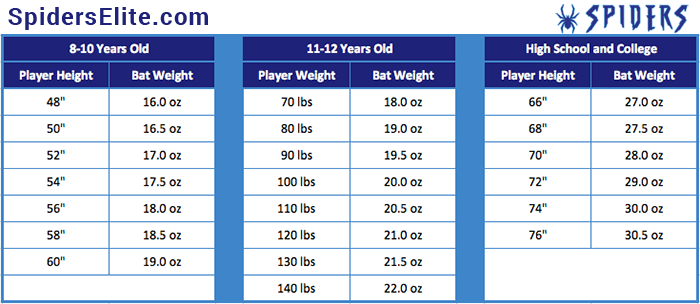
Image Source: spiderselite.com
Fathoming Baseball Bat Weight: The Numbers Game
The weight of a baseball bat is not a random attribute; it’s a precisely measured characteristic that directly impacts a player’s swing speed, power, and overall control. This measurement is often expressed in ounces, but it’s intimately linked to another key metric: the drop weight baseball bat system.
The Drop Weight System: A Closer Look
The “drop” of a baseball bat is a simple calculation: it’s the difference between the bat’s length and its weight, both measured in inches and ounces, respectively. For example, a 30-inch bat that weighs 20 ounces has a drop weight of 10 (30 – 20 = 10). This drop weight is a standardized way to quickly gauge how light or heavy a bat will feel relative to its length.
- A higher drop weight (e.g., -10, -11) indicates a lighter bat for its length. These are often preferred by younger players or those who prioritize bat speed.
- A lower drop weight (e.g., -3, -5) signifies a heavier bat for its length. These are typically favored by stronger, more experienced players who can handle the increased mass for greater power.
This system is incredibly useful because it allows players to compare bats of different lengths and weights on a level playing field, focusing on how the bat feels and performs in their hands.
Deciphering Baseball Bat Types and Their Weights
The world of baseball bats is diverse, with different materials and designs catering to various age groups and playing levels. Each baseball bat type comes with its own typical weight ranges and regulations.
Wood Baseball Bat Weight: The Traditional Standard
Wood baseball bat weight is governed by tradition and the natural properties of wood. While there isn’t a strict “drop weight” system for wood bats in the same way as metal bats, the weight is directly correlated to the length and the density of the wood used (e.g., maple, ash, birch).
- Adult Wood Bats: Professional and high-level amateur players often use wood bats. These typically range from 31 to 34 inches in length. Their weight can vary significantly based on the wood’s density and the manufacturer’s design, but they are generally heavier for their length compared to many metal bats. A 33-inch adult wood bat might weigh around 30-32 ounces, giving it a nominal “drop” closer to -1 to -3 if we were to apply the system loosely. The focus here is on the actual weight and the feel.
- Youth Wood Bats: Younger players using wood bats will find them in shorter lengths, often starting around 27 inches. These will also be lighter, but the emphasis is still on the solid feel of wood.
The inherent density of wood means that wood bats are generally heavier relative to their length than aluminum or composite bats. This contributes to a different feel at the plate and often requires more strength to swing effectively.
Aluminum Baseball Bat Weight: The Modern Challenger
Aluminum baseball bat weight has revolutionized the game, offering lighter options and consistent performance. The drop weight system is particularly prevalent here.
- Youth Aluminum Bats: These bats are designed for younger players and are significantly lighter. Common drop weights include -10, -11, and even -12. A 28-inch aluminum bat with a -10 drop would weigh approximately 18 ounces. These lighter bats help young players develop proper swing mechanics without being overwhelmed by weight.
- Adult Aluminum Bats: While less common at the very highest professional levels, aluminum bats are popular in amateur adult leagues and college baseball. They often feature drop weights of -3, -5, or -8. A 33-inch aluminum bat with a -3 drop would weigh 30 ounces.
Aluminum bats are known for their durability and “pop,” offering a lively feel off the barrel. The ability to create lighter bats with higher drop weights through aluminum alloys has made them accessible to a wider range of players.
Composite Baseball Bat Weight: Performance Engineered
Composite bats, made from carbon fiber and other polymers, offer a unique blend of performance and controlled weight. Composite baseball bat weight is also managed through the drop weight system.
- Youth Composite Bats: Similar to aluminum, youth composite bats often feature drop weights of -10, -11, or -12. They are engineered to be lightweight and provide a large sweet spot.
- Adult Composite Bats: In leagues that allow them, adult composite bats can have drop weights ranging from -3 to -8. They are renowned for their larger barrels and tunable swing weight. The composite material allows manufacturers to distribute weight strategically, creating a balanced feel or a more end-loaded swing weight.
Composite bats often require a “break-in” period to reach their optimal performance. The materials allow for significant engineering to manipulate bat swing weight, making them a popular choice for players seeking an advantage.
Comprehending Bat Swing Weight: Beyond the Number
While the actual weight of a bat and its drop weight are critical, another crucial concept is bat swing weight, also known as rotational inertia. This refers to how heavy the bat feels when you swing it. Two bats with the exact same listed weight and drop can feel very different depending on how that weight is distributed.
- End-Loaded Bats: These bats have more weight concentrated towards the barrel. They require more strength to swing but can generate more power on contact, often favored by players with strong wrists and forearms who can manage the extra mass.
- Balanced Bats: In these bats, the weight is distributed more evenly throughout the bat. They are easier to swing faster and offer better control, making them a good choice for contact hitters or players who struggle with heavier bats.
Manufacturers use the placement of materials within the bat, especially in composite bats, to fine-tune the swing weight. This is why looking at swing weight, in addition to the actual weight and drop, can be so beneficial for finding the right bat.
Examining Youth Baseball Bat Weight
Youth baseball bat weight is specifically designed to help young players develop their skills safely and effectively. The primary goal is to ensure they can swing the bat with speed and control, allowing them to make solid contact.
T-Ball Bats: The Lightweight Beginning
T-ball bats are the lightest bats available, typically made from aluminum or composite materials.
- Weight Range: Often between 15 to 22 ounces.
- Length: Usually 24 to 28 inches.
- Drop Weight: Commonly -10 to -13.
- Focus: Ease of use, allowing very young children to grip and swing the bat comfortably. The primary goal is introducing them to the sport.
Little League and Youth Leagues: Graduating the Weight
As players progress through different youth leagues (like Little League Baseball, Cal Ripken, USSSA), the regulations on bat weight and drop weight become more specific.
- Common Drop Weights: -10 and -11 are very common. Some leagues may allow -8.
- Aluminum vs. Composite: Both materials are widely used. Composite bats may offer larger sweet spots, which can be beneficial for developing hitters.
- Length: Typically ranges from 26 to 30 inches.
- Weight: Directly corresponds to the drop weight. A 28-inch, -10 drop bat will be around 18 ounces.
- Performance: The emphasis is on developing bat speed and making consistent contact.
Intermediate Youth Leagues (e.g., Babe Ruth, Pony): Increased Demands
Players in these leagues are often older and stronger, so the bat requirements shift.
- Common Drop Weights: -8 and -5 become more prevalent. Some leagues may still permit -10.
- Materials: All materials are often allowed, but regulations might specify performance standards.
- Length: Can extend up to 31-32 inches.
- Weight: As drop weights decrease, the actual weight of the bat increases. A 30-inch, -5 drop bat would be 25 ounces.
BBCOR Baseball Bat Weight: The High School and Collegiate Standard
For high school and college baseball, the standard is the BBCOR baseball bat weight rule. BBCOR stands for Batted Ball Coefficient of Restitution, a standard designed to limit the “trampoline effect” of metal bats to make them perform more like wood bats.
- BBCOR Standard: All BBCOR-certified bats must have a maximum drop weight of -3. This means a bat cannot be more than three ounces lighter than its length.
- Material: Both aluminum and composite bats can be BBCOR-certified.
- Weight: A 31-inch BBCOR bat must weigh no more than 28 ounces, and a 34-inch BBCOR bat must weigh no more than 31 ounces.
- Performance: BBCOR bats aim to provide a balance between the performance of metal bats and the traditional feel and sound of wood bats. They are generally heavier for their size compared to non-BBCOR youth bats.
Exploring Adult Baseball Bat Weight
Adult baseball bat weight considerations are paramount for players in adult recreational leagues, amateur travel ball, and even professional organizations (though professionals primarily use wood).
Amateur Adult Leagues: Variety and Flexibility
Adult amateur leagues often have diverse rules regarding bat specifications, allowing for a wider range of weights and drop weights than college or professional play.
- Common Drop Weights: -5, -8, and -10 are frequently seen. Some leagues might allow -3 for a BBCOR-like feel.
- Material Options: Aluminum, composite, and wood bats are typically permitted, with different leagues having specific certifications or restrictions.
- Weight: Adult players generally have the strength to handle heavier bats, which can translate to more power. A 33-inch, -5 drop bat would weigh 28 ounces, while a 32-inch, -8 drop bat would weigh 24 ounces.
- Swing Weight: Players can often choose between balanced and end-loaded bats to suit their swing style and power preference.
Softball vs. Baseball Bat Weights: A Crucial Distinction
It’s important to note that softball bat weights are often different from baseball bat weights. Softball bats, designed for a larger ball and a different pitching style, tend to be heavier and have different length-to-weight ratios. Always ensure you are using a bat that conforms to the rules of the specific sport and league you are playing in.
Weighted Baseball Bats: Tools for Training
Beyond game bats, weighted baseball bats are popular training tools. These are bats intentionally made heavier than regulation bats, designed to improve a player’s strength and swing mechanics.
- Purpose: To build muscle memory for a faster, more powerful swing during actual gameplay. By swinging a heavier object, a player’s muscles adapt and become stronger.
- Weight Range: Can be significantly heavier than game bats, often ranging from 28 ounces for youth trainers to over 40 ounces for adult strength training.
- Usage: Typically used for warm-ups or specific strength-building drills. They are not legal for use in games.
- Benefits: Can improve bat speed and power by conditioning the muscles involved in the swing.
When using weighted bats, it’s crucial to maintain proper form to avoid injury and develop correct mechanics. Overdoing it or using a bat that is excessively heavy can lead to bad habits.
How to Choose the Right Baseball Bat Weight
Selecting the correct baseball bat weight is a personal decision that depends on several factors:
1. Age and Strength
- Younger Players: Start with lighter bats (higher drop weight) to build confidence and proper technique.
- Older/Stronger Players: Can transition to heavier bats (lower drop weight) to generate more power, provided they can maintain bat speed.
2. Player Type
- Contact Hitters: Often prefer lighter, more balanced bats for maximum bat speed and better control, increasing the likelihood of putting the ball in play.
- Power Hitters: May opt for slightly heavier, potentially end-loaded bats to maximize the force they can generate on contact.
3. League Rules
Always check the specific regulations for your league or division regarding bat weight, drop weight, material, and any required certifications (like BBCOR).
4. Feel and Swing Mechanics
The most important factor is how the bat feels to you. If you can swing a bat quickly and with good control, it’s likely a good fit. Try swinging different weights and models to see what feels most comfortable and effective.
- Test swings: If possible, try swinging bats of similar weight and length before purchasing.
- Swing speed: Aim for a bat that allows you to swing as fast as possible while maintaining a good swing path.
- Balance: Pay attention to how the weight is distributed. A bat that feels balanced will generally be easier to swing.
Bat Weight Recommendations by Age Group (General Guidelines)
Here are some general guidelines for baseball bat weights, keeping in mind that individual strength and league rules are paramount:
| Age Group/League Type | Typical Bat Length (inches) | Typical Drop Weight | Typical Actual Weight (ounces) | Common Bat Materials |
|---|---|---|---|---|
| T-Ball | 24-28 | -10 to -13 | 15-22 | Aluminum, Composite |
| Little League (Majors) | 27-30 | -10, -11 | 17-20 | Aluminum, Composite |
| Intermediate Youth (e.g., 10-12) | 28-31 | -8, -10 | 20-23 | Aluminum, Composite |
| Pony/Babe Ruth (Older) | 29-32 | -5, -8 | 24-27 | Aluminum, Composite |
| High School (BBCOR) | 31-34 | -3 | 28-31 | Aluminum, Composite |
| College (BBCOR) | 31-34 | -3 | 28-31 | Aluminum, Composite |
| Adult Amateur Leagues | 31-34 | -3, -5, -8, -10 | 24-31 | Aluminum, Composite, Wood |
| Professional (MLB) | 31-34 | N/A (Wood Only) | 30-33+ | Wood |
Note: These are generalizations. Always consult your league’s specific bat regulations.
Conclusion
How heavy is a baseball bat? It’s a question with a complex answer, influenced by material, design, age, league rules, and player preference. From the feather-light bats designed for toddlers to the precisely engineered implements used by professionals, each bat’s weight plays a pivotal role in a player’s ability to succeed. By considering the drop weight, the feel of the swing weight, and the specific requirements of your league, you can confidently select a baseball bat that empowers you to swing harder, faster, and with greater accuracy. Choosing the right weight is not just about numbers; it’s about finding the perfect extension of your own athletic ability.
Frequently Asked Questions (FAQ)
Q1: What is the standard weight for a baseball bat?
A1: There isn’t one single “standard” weight, as it varies greatly by league, age, and bat material. For adult baseball, a common BBCOR bat (used in high school and college) will be a -3 drop, meaning a 34-inch bat weighs 31 ounces. However, youth bats can be much lighter, and wood bats have their own weight profiles.
Q2: Can I use a weighted baseball bat in a game?
A2: No, weighted baseball bats are training tools only and are not allowed for use in official games. They are designed to be heavier than regulation bats to help build strength and improve swing speed during practice.
Q3: Who decides the weight limits for baseball bats?
A3: Weight limits and other specifications for baseball bats are determined by governing bodies for different leagues (e.g., Little League International, NCAA, MLB) and organizations like USA Baseball and USSSA. These rules ensure fair play and player safety.
Q4: Does a heavier bat mean more power?
A4: Generally, a heavier bat can lead to more power if the player can still swing it with sufficient bat speed and control. If a bat is too heavy for a player, their swing speed will decrease, and they may sacrifice accuracy, which can negate the potential power advantage. The ideal is a balance between weight and swing speed.
Q5: What is the difference between aluminum baseball bat weight and wood baseball bat weight?
A5: Aluminum baseball bat weight can often be manufactured to be lighter for their length (higher drop weight) due to the properties of the alloys used. Wood baseball bat weight is more dependent on the natural density of the wood and the manufacturing process, and they tend to be heavier for their length, offering a more traditional feel.
Q6: How do I know if my baseball bat is the right weight?
A6: A bat is likely the right weight if you can swing it quickly and comfortably with good control, making solid contact with the ball. If you’re struggling to generate bat speed or the bat feels unwieldy, it might be too heavy. If you feel like you’re swinging too fast but lack power or can’t feel the barrel, it might be too light. Try out different weights if possible to find what suits your swing best.