
What is the best way to hold a baseball bat? The best way to hold a baseball bat is to create a comfortable yet firm grip that allows for power, control, and a smooth baseball swing. This guide will walk you through the essentials of mastering your baseball grip, which is the foundation of a strong batting stance and effective swing mechanics.
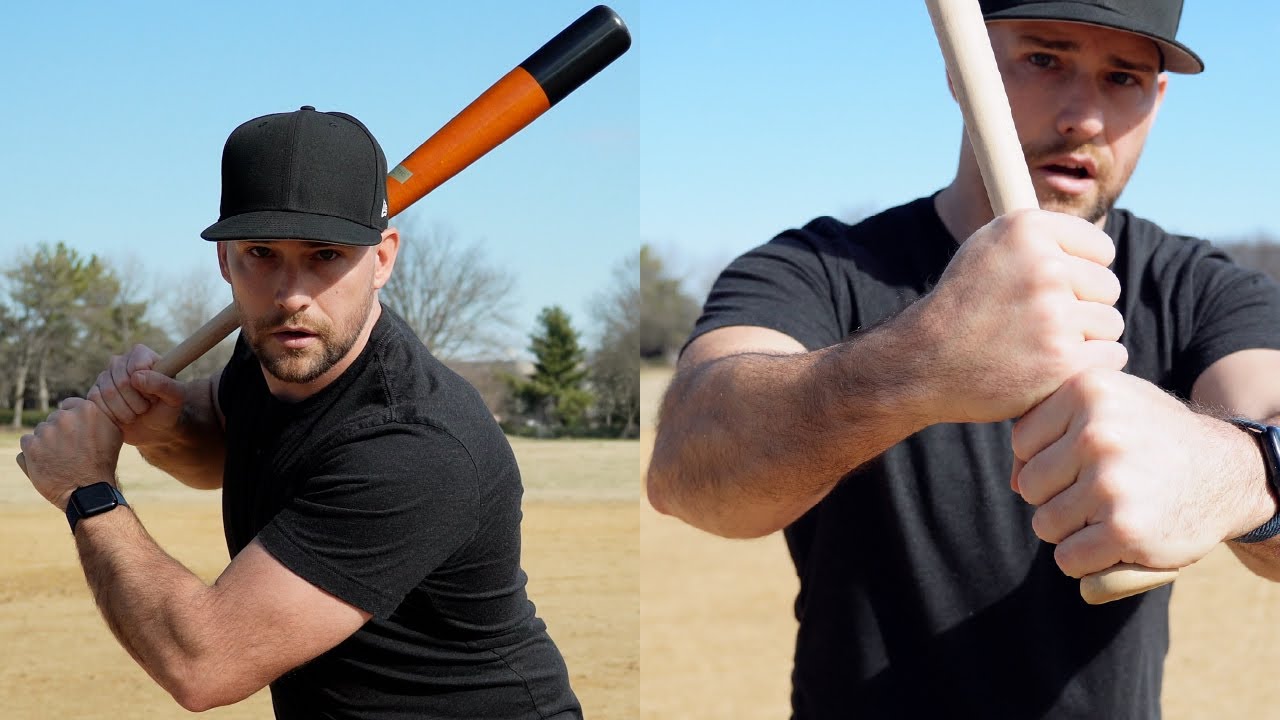
Image Source: i.ytimg.com
The Criticality of a Proper Baseball Grip
Your grip on the bat is your direct connection to generating power and guiding the barrel through the hitting zone. It’s the first step in a successful baseball swing and plays a crucial role in your overall batting posture. Without a solid baseball grip, even the most athletic stance can falter. This is where we begin to explore the nuances of a truly effective baseball grip.
Fathoming Your Knuckles: The Hand Placement
The placement of your hands on the bat is paramount. This isn’t just about where your palms are, but specifically how your knuckles align.
The “Knocking Knuckles” Rule
A common and effective guideline is to align the “knocking knuckles” of your top hand with the second knuckles of your bottom hand. Imagine you’re about to knock on a door with both hands; the prominent knuckles should roughly line up.
- Top Hand: This hand typically leads the swing, controlling the bat’s rotation and direction. Its knuckles should be the primary focus for alignment.
- Bottom Hand: This hand provides the power and driving force. Its alignment with the top hand’s knuckles ensures a connected and powerful swing.
Why This Alignment Matters
This knuckle alignment helps ensure that the bat is held in a position that allows for proper pronation and supination of the wrists during the swing. This wrist action is vital for generating bat speed and hitting the ball with authority. It also promotes a more natural and less tense grip, reducing the risk of “choking” the bat, which can impede power.
Securing Your Grip: Pressure Points
How hard you hold the bat is as important as how you place your hands. Too tight, and you’ll restrict movement and tire out your hands. Too loose, and you risk losing control.
The “Light Squeeze” Philosophy
Think of holding a bird; you want to hold it firmly enough that it can’t fly away, but gently enough that you don’t crush it. Apply this same principle to your baseball grip.
- Fingers: Your fingers should be the primary point of contact, wrapping around the bat.
- Palms: Your palms should have minimal contact with the bat. The bat should rest more in your fingers. This allows for better feel and control.
- Thumbs: Your thumbs should be relaxed and not digging into the bat.
Identifying Optimal Pressure
- Too Tight: You’ll notice tension in your forearms and shoulders. Your wrists will feel stiff. Your swing might be jerky.
- Too Loose: The bat might feel wobbly. You might struggle to control the bat’s path through the zone.
- Just Right: You feel a secure connection, but your wrists and forearms remain relaxed and agile. You can easily feel the weight of the bat.
Creating the “Baseball Grip”
There are several variations on the fundamental baseball grip, but they all share common goals: comfort, control, and power.
The Overlapping Grip
This is perhaps the most common grip.
-
How-to: After placing your hands on the bat according to the knuckle rule, overlap the pinky finger of your top hand with the index finger of your bottom hand. The pinky of the top hand typically rests on top of the index finger of the bottom hand.
Table: Overlapping Grip Placement
Hand Position Description Top Hand Placed higher on the bat, leading the swing. Bottom Hand Placed below the top hand, providing power. Overlap Pinky of the top hand rests on the index finger of the bottom hand. -
Benefits: This grip promotes a more unified swing by keeping the hands working together. It helps prevent the hands from separating too much during the swing.
The “;//” (Non-Overlapping) Grip
Some players prefer not to overlap their fingers.
-
How-to: Place your hands on the bat as usual, aligning the knuckles. Your bottom hand’s index finger and your top hand’s pinky will be adjacent but not touching or overlapping.
Table: Non-Overlapping Grip Placement
Hand Position Description Top Hand Placed higher on the bat. Bottom Hand Placed below the top hand. Adjacency Index finger of the bottom hand and pinky of the top hand are side-by-side. -
Benefits: Some players feel they get a better feel for the bat and can generate more wrist action with this grip. It can also feel more natural for players with larger hands.
Adjusting Your Grip for Different Situations
While a consistent grip is key, slight adjustments can be beneficial.
Gripping Down on the Bat
When you need more bat control, such as for hitting with two strikes or making contact in a crucial situation, gripping down on the bat can be advantageous.
- What it means: Moving your hands lower on the handle, closer to the knob.
- Why it works: This shortens the effective length of the bat, giving you more control over its movement and reducing the swing’s arc. It makes it easier to make contact with pitches that are in different parts of the strike zone.
Gripping Higher on the Bat
To maximize power, some players might opt for a slightly higher grip.
- What it means: Moving your hands higher on the handle, closer to the barrel.
- Why it works: This lengthens the effective lever arm of the bat, potentially increasing bat speed and the force of impact. However, it can also reduce bat control.
The Interplay: Grip, Stance, and Swing Mechanics
Your baseball grip doesn’t exist in isolation. It’s an integral part of your entire batting stance and contributes directly to your swing mechanics.
Connecting Grip to Stance
Your batting stance is the foundation upon which your swing is built. A stable and balanced stance is crucial, and your grip plays a role in achieving this.
- Balance: A relaxed, correct grip allows your hands and arms to remain loose, which aids in maintaining balance throughout your stance and swing. Tense hands can lead to an unstable base.
- Comfort: Your batting stance should feel natural and comfortable. Your grip contributes to this comfort. If your grip is awkward, your entire stance will likely feel off.
- Bat Placement: How you hold the bat also dictates how you position it in your stance, whether it’s held high, low, or on the shoulder.
Grip’s Influence on Swing Mechanics
The way you hold the bat directly influences how you execute your baseball swing.
- Wrist Action: As mentioned, a proper grip allows for efficient wrist hinge and snap. This wrist action is what generates a significant portion of bat speed. A grip that is too tight or misaligned will hinder this crucial movement.
- Bat Path: Your grip affects how you guide the bat through the hitting zone. A good grip promotes a level or slightly upward bat path, ideal for driving the ball. A poor grip can lead to a looping or chopping swing.
- Connection: The goal is for your hands and arms to work as a unit with your body’s rotational power. The correct baseball grip helps maintain this connection, transferring energy efficiently from your core to the bat.
The “Knob to the Ball” Concept
This is a common hitting cue that emphasizes the role of your hands and wrists in driving the bat head through the hitting zone.
- How it applies: With the correct grip, you are poised to lead the swing with the knob of the bat, followed by a rapid unwrapping of the wrists. The “knob to the ball” focuses on this sequential motion.
- Grip’s role: A firm but relaxed grip allows the wrists to lead the bat head in this powerful, efficient motion.
Refining Your Batting Posture and Grip
Your batting posture encompasses your entire body positioning at the plate. Your grip is the critical element that links your hands to this posture.
Hand Position at the Plate
Where you place your hands relative to your body in your batting stance is an extension of your grip.
- High Hands: Can offer a good view of the ball and potentially a quicker swing, but requires more wrist action.
- Low Hands: Can provide more power and a longer swing, but might require more timing.
- Middle Ground: Many players find a neutral hand position to be the most effective, offering a balance of control and power.
The “Hand Lag” Phenomenon
This refers to the delay in the hands’ movement relative to the body’s rotation during the swing.
- How grip influences it: A proper grip allows for the hands to naturally lag behind the body’s initial rotation, creating whip-like action. A tight grip can cause the hands to move with the body too early, reducing power.
- Impact on baseball swing: This lag is critical for maximizing bat speed and transferring energy effectively.
Common Grip Mistakes and How to Avoid Them
Even with the best intentions, hitters often fall into common grip traps.
Over-Griping the Bat
This is perhaps the most prevalent mistake.
- Why it happens: Anxiety, desire for power, or simply not knowing any better.
- Consequences:
- Reduced bat speed.
- Tense arms and shoulders.
- Loss of feel for the bat.
- Shorter, less powerful swing.
- Solution: Practice the “light squeeze” concept. Consciously relax your grip during your practice swings and before you step into the box.
Misaligned Knuckles
If your knuckles aren’t set up correctly, your wrist action will suffer.
- Why it happens: Lack of awareness or improper instruction.
- Consequences:
- Inefficient power transfer.
- Tendency to “guide” the ball rather than drive it.
- Potential for wrist strain.
- Solution: Regularly check your knuckle alignment. Have a coach or experienced player confirm your hand placement.
The “Tennis Racquet” Grip
This refers to holding the bat like a tennis racquet, with the palms facing each other.
- Why it happens: Natural tendency for some, or improper instruction.
- Consequences:
- Significantly limits wrist action.
- Reduces bat speed and power.
- Creates an unnatural swing path.
- Solution: Focus on the “baseball grip” where the hands are more aligned with the direction of the swing.
The “Chopping” Grip
This happens when the hands are positioned too far apart or angled incorrectly, leading to a downward chopping motion.
- Why it happens: Can be a result of poor hand placement or trying to muscle the ball.
- Consequences:
- Ground balls.
- Lack of lift on the ball.
- Reduced power.
- Solution: Ensure your hands are close together and aligned correctly, promoting a more level or slightly upward swing path.
Practicing Your Grip and Batting Stance
Mastering your baseball grip and batting stance requires deliberate practice.
Drills for Grip Improvement
- Batting Cage Warm-up: Before every practice or game, spend time in the batting cage focusing solely on your grip. Make sure it feels comfortable and powerful.
- Grip Awareness Drills: Hold the bat in various positions without swinging, focusing on the feel and pressure.
- Mirror Work: Practice your batting stance and grip in front of a mirror to check your alignment and posture.
Integrating Grip into Your Stance
- Step-by-Step Approach:
- Get into your athletic stance.
- Properly place your feet.
- Establish your balance.
- Then, take your grip on the bat.
- Consistency: Aim to take your grip in the same manner every single time you step into the batter’s box. This repetition builds muscle memory.
Frequently Asked Questions (FAQ)
How do I know if my baseball grip is too tight?
You’ll likely feel tension in your forearms, wrists, and shoulders. Your hands might feel stiff, and your swing might feel jerky rather than fluid. Try to consciously relax your grip and focus on holding the bat primarily with your fingers.
Should my hands overlap or not overlap?
This is largely a matter of personal preference and what feels most comfortable and effective for your swing. The overlapping grip is more common and can help unify the hands, while the non-overlapping grip may offer a different feel for some players. Experiment with both to see which works best for you.
How much pressure should I put on the bat?
Think of it as a firm but relaxed grip. You want enough pressure to maintain control of the bat and transfer power, but not so much that you create unnecessary tension. Imagine holding a bird gently – firm enough it can’t escape, but not so tight you crush it.
Does my grip change depending on the bat I’m using?
While the fundamental principles of a good baseball grip remain the same, you might find slight adjustments needed based on the bat’s weight, length, and material. A heavier bat might require a slightly more relaxed grip to maintain control and bat speed.
How does my grip affect my batting stance?
A proper, relaxed grip contributes to overall balance and comfort in your batting stance. If your grip is awkward or tense, it can negatively impact your balance and lead to compensatory movements in your stance and swing.
What is the proper baseball grip for power?
The proper baseball grip for power involves aligning your knuckles correctly, maintaining a relaxed grip, and ensuring your hands work together efficiently to allow for maximum wrist snap and bat speed. It’s about control and fluidity, not brute force in the grip itself.
Can I change my grip during my swing?
While the initial grip is critical, the hands do adjust slightly during the swing, particularly the wrists. The goal is to have a grip that allows for this natural movement and doesn’t restrict it. Trying to consciously change your grip mid-swing is generally counterproductive.
How important is the baseball grip compared to other aspects of the swing?
The baseball grip is foundational. While stance, timing, and swing mechanics are all vital, an improper grip can undermine all of these. It’s the first point of contact and directly influences your ability to generate power and make consistent contact.
By focusing on a comfortable, controlled, and properly aligned baseball grip, you lay the groundwork for a more powerful and consistent baseball swing, ultimately improving your overall batting performance. Practice makes perfect, so get out there and refine your grip!