
Can baseball games be played in the rain? Generally, no, professional baseball games are not played in the rain primarily due to safety concerns and the potential for damage to the playing field.
The crack of the bat, the roar of the crowd, the smell of freshly cut grass – baseball is a sport deeply intertwined with the outdoors. But what happens when the skies open up? Why don’t they play baseball in the rain? It’s a question that sparks debate among fans, especially when a favorite team is in the middle of a crucial game. The simple answer is safety first. While a little drizzle might seem harmless, playing baseball in wet conditions poses significant risks to players, umpires, and even spectators, not to mention the potential damage to the hallowed grounds of the baseball field. This article will delve deep into the reasons behind this policy, exploring the baseball rules rain provisions, the impact of rain on baseball performance, and the crucial role of baseball field maintenance rain. We’ll also touch on baseball game conditions, rain delay baseball, baseball field safety, weather impact on baseball, baseball game cancellation, and the governing baseball weather policy.
Image Source: img.mlbstatic.com
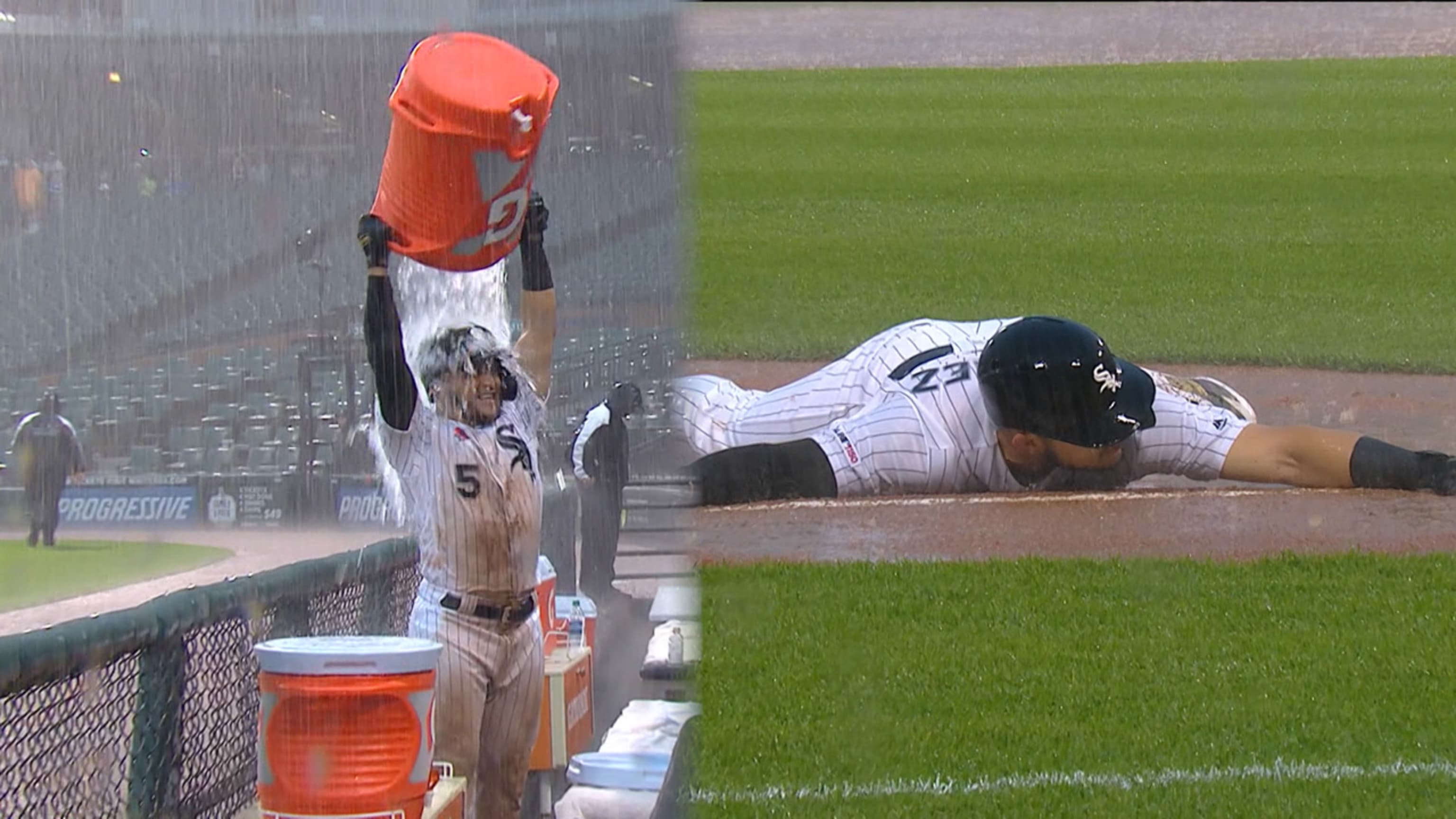
The Perils of Playing on a Wet Diamond
Baseball is a sport that demands precision, agility, and split-second reactions. A wet playing surface dramatically alters these requirements, introducing a host of dangers.
Slipping and Sliding: The Risk of Injury
The most immediate and obvious danger is the increased risk of slips and falls. A wet infield, especially around the bases and the pitcher’s mound, can become incredibly slick.
- Infielders: Players fielding ground balls have to move quickly, change direction, and dive. On a wet field, their footing is compromised. A sudden stop or pivot can lead to a slipped foot, resulting in twisted ankles, knee injuries, or even more severe trauma. The infield dirt, when saturated, loses its ability to provide traction.
- Outfielders: While outfielders have more open space, they still need to make sharp turns to catch fly balls or chase down extra-base hits. A wet outfield can cause them to lose their balance, potentially leading to collisions with outfield walls or other players, or simply an inability to make a play they otherwise would have.
- Base Runners: Running the bases is an explosive act. Runners slide into bases, often at high speeds. A wet base path or a damp sliding surface can cause a runner to slide uncontrollably, potentially missing the base entirely or sliding past it. This not only increases the risk of injury but also leads to more outs and missed opportunities.
- Pitchers: The pitcher’s mound is a critical area. A wet mound can cause a pitcher to slip during their wind-up or delivery, affecting their balance and control. This can lead to errant pitches, wild pitches, or even a fall, which could strain muscles or joints. The grip on the ball can also be affected by dampness.
The Ball Itself: A Slippery Situation
The baseball itself is not immune to the weather impact on baseball. A wet ball is harder to grip and control for pitchers, leading to an increase in walks, wild pitches, and hit batters. For hitters, a wet ball can be difficult to see clearly, and when hit, it travels differently, often with less velocity and distance. This can drastically alter the dynamics of the game and make it unfair for both sides.
Visibility Issues
Heavy rain can significantly reduce visibility for players, umpires, and spectators.
- Players: Tracking a fly ball through sheets of rain can be incredibly difficult. The glare from stadium lights on wet surfaces can also create blinding spots.
- Umpires: Umpires need to have a clear view of the play at all times to make accurate calls. Rain can obscure their vision, making it challenging to call balls and strikes or to determine if a runner is safe or out.
- Spectators: While not a safety issue for the players, poor visibility due to rain can ruin the fan experience.
The Field of Play: Damage and Deterioration
Beyond the immediate safety concerns, playing in the rain can also cause significant damage to the baseball field itself, impacting its condition for future games. This is where baseball field maintenance rain becomes a critical consideration.
Infield Dirt and Drainage
Infield dirt is a carefully prepared mixture designed to provide good footing and allow for proper play. When it becomes waterlogged, this delicate balance is disrupted.
- Soggy Basepaths: The base paths, especially, can turn into muddy trenches. This not only makes running difficult but can also cause the dirt to become compacted and clumpy once it dries, creating an uneven surface.
- Pitcher’s Mound and Catcher’s Box: These areas are heavily used and require meticulous maintenance. Saturation can lead to erosion and a loss of the mound’s integrity.
- Drainage Systems: Professional baseball fields have sophisticated drainage systems, but even these can be overwhelmed by prolonged or heavy rainfall. Standing water is a common problem.
Outfield Grass
While grass can absorb some water, excessive moisture can lead to several issues:
- Compaction: Players running on a wet outfield can compact the soil, making it harder for the grass roots to breathe and grow.
- Fungal Diseases: Prolonged wetness creates an ideal environment for fungal diseases that can damage and kill the grass.
- Uneven Surfaces: If the outfield gets too wet and players continue to play, divots can be created, leaving behind uneven and potentially dangerous patches of turf.
The Baseball Weather Policy: A Framework for Decision-Making
Each professional baseball league, and often individual ballparks, has a baseball weather policy that outlines the procedures for dealing with adverse weather. This policy is designed to ensure fairness and safety.
Who Makes the Call?
The decision to delay or cancel a baseball game usually rests with the umpire crew chief. They are responsible for assessing the baseball game conditions and determining if the field is playable and if it’s safe for the players. The home team’s ballpark management also plays a significant role in advising the umpires and making decisions about delaying or postponing the game.
Rain Delays vs. Baseball Game Cancellation
When rain begins, the typical response is a rain delay baseball. This means the game is temporarily suspended, and play will resume when the weather improves and the field is deemed playable.
However, if the rain is too heavy, persistent, or if the field is too wet to be made playable in a reasonable amount of time, a baseball game cancellation or postponement might be declared.
- Rain Delay Baseball: During a delay, grounds crews work diligently to prepare the field. They use tarps to cover the infield dirt and sometimes the entire infield to prevent it from becoming waterlogged. They may also use blowers or squeegees to remove standing water. The length of a rain delay can vary from a few minutes to several hours. The goal is to get the game back on track if possible.
- Baseball Game Cancellation: If conditions don’t improve or the field remains unplayable, the game will be officially postponed. The baseball rules rain dictate how postponed games are handled. Often, a postponed game will be made up later in the season, either as part of a doubleheader or by extending the season slightly. This can disrupt team schedules and fan plans.
Impact of Rain on Baseball Performance: Beyond the Obvious
The impact of rain on baseball performance extends beyond just making it harder to grip the ball. It affects every facet of the game.
Hitting and Pitching Dynamics
- Pitchers: As mentioned, a wet ball is harder to grip. This can lead to a loss of command, making it difficult to throw breaking balls effectively. The slickness can also affect a pitcher’s ability to maintain their balance and follow through on their pitches.
- Hitters: The impact of rain on baseball performance for hitters can be significant. A wet bat can be slippery, making it harder to get a good grip. The ball itself might not travel as far when hit squarely due to the moisture. Furthermore, the visibility issues can make it harder to track pitches, especially curveballs or sliders. The psychological aspect also plays a role; knowing the conditions are less than ideal can affect a batter’s approach.
Fielding and Base Running
- Fielding: Fielders must adjust their technique. They might need to play shallower in the outfield to account for balls potentially getting through, or they might have to be more cautious with their footwork on the infield. A bobble that might be a routine out in dry conditions can become an error in the wet.
- Base Running: Runners have to be more careful. Sliding into a wet base can be dangerous and unpredictable. The ability to take extra bases on a hit can be diminished if the ball doesn’t travel as well or if the outfielders are playing deeper due to the conditions.
The Science of Field Preparation: Baseball Field Maintenance Rain
The groundskeepers are the unsung heroes when it comes to dealing with rain. Their expertise in baseball field maintenance rain is crucial for salvaging games.
The Tarp: A Protective Shield
The most visible tool is the tarp. Covering the infield is paramount to prevent excessive moisture from soaking into the dirt.
- Material and Application: Tarps are typically made of heavy-duty vinyl or canvas. Applying them efficiently is a skill in itself, requiring coordination to ensure no part of the infield is left exposed.
- Securing the Tarp: Once in place, the tarps need to be secured with weights or stakes to prevent wind from lifting them.
Water Evaporation and Removal
Once the rain stops, the real work begins.
- Blowers and Squeegees: Grounds crews use powerful blowers to push water off the tarp and then off the field. Large squeegees are used to clear remaining puddles.
- Drying Agents: In some cases, drying agents like calcined clay or drying compounds may be used sparingly to absorb excess moisture from the dirt.
- Aeration: If the infield becomes too compacted from the moisture, aeration might be necessary, though this is a more intensive process.
The Role of Drainage Systems
Effective baseball field maintenance rain relies heavily on the underlying drainage infrastructure.
- Subsurface Drainage: Many modern fields have underground drainage pipes that channel water away from the playing surface.
- Surface Grading: The field is also carefully graded to ensure that water flows towards drainage points rather than pooling.
Baseball Rules Rain: What the Rulebook Says
The baseball rules rain are comprehensive and aim to provide a clear framework for managing these situations. While specific details might vary slightly between leagues (e.g., MLB, minor leagues, amateur leagues), the core principles are consistent.
Rule 5.03(a)(4): Rain Delays and Suspensions
This rule, or its equivalent in different rulebooks, generally states that the umpire-in-chief has the authority to call a game because of rain or other unfavorable weather conditions. They can also suspend play and then resume the game once conditions are suitable.
Rule 5.03(b): Suspended Games
If a game is suspended due to rain or other causes and cannot be resumed on the same day, it is a suspended game. The rules dictate when and how this game will be resumed. Typically, it is completed from the point of suspension at a later date, often with the same personnel involved.
Rule 7.03: Runner May Not Advance on Ball Dropped Because of Weather
This is an important rule that often surprises fans. If a fielder drops a thrown ball or a batted ball due to wet conditions (e.g., it slips out of their glove), runners on base cannot advance unless the ball is then touched by another fielder. This is to prevent unfair advantages gained solely from wet conditions.
The Fan Experience: Waiting Out the Storm
For fans, a rain delay baseball can be frustrating, but it’s an inevitable part of attending outdoor sports.
- Information: Ballparks usually provide updates on the status of the game via the public address system and scoreboards.
- Entertainment: Sometimes, ballparks will offer light entertainment or fan activities during delays to help pass the time.
- Resilience: Baseball fans are generally a patient bunch, accustomed to the ebb and flow of weather impacting their favorite pastime.
Frequently Asked Questions About Baseball in the Rain
Q1: Can a baseball game be played if it’s just drizzling?
A1: Yes, a light drizzle might not be enough to stop play. The umpire crew chief will assess the intensity of the rain and its effect on the playing field. If the field remains playable and safe, the game may continue.
Q2: How long can a rain delay last?
A2: There’s no set time limit for a rain delay. It can last anywhere from a few minutes to several hours, depending on how long the rain persists and how quickly the field can be prepared afterward.
Q3: What happens if the game is called because of rain after it has started?
A3: If a game has started and is then called due to rain, it becomes a “called game” or a “suspended game.” The outcome depends on how many innings have been completed. If at least five innings have been played (or 4.5 innings if the home team is leading), the game might be considered official, and the score at the time of the stoppage stands. If fewer innings have been played, it will typically be resumed from the point of suspension at a later date.
Q4: Can players get hurt slipping on a wet baseball field?
A4: Absolutely. The primary reason for delaying or canceling games due to rain is player safety. Wet fields are extremely slippery, increasing the risk of sprains, strains, and other injuries.
Q5: Does the baseball weather policy apply to all levels of baseball?
A5: While the core principles of safety and field playability are universal, the specific policies and their enforcement can vary between professional leagues, college, high school, and youth baseball. However, the common thread is always player safety.
Conclusion: Prioritizing Safety and the Integrity of the Game
The decision to delay or cancel a baseball game due to rain is never taken lightly. It’s a complex decision that balances the desire to play the game with the paramount need for player safety and the preservation of the playing field. The weather impact on baseball is undeniable, and understanding the intricacies of baseball field safety, baseball field maintenance rain, and the governing baseball rules rain helps us appreciate why the crack of the bat often falls silent when the heavens open up. It’s a testament to the commitment to ensuring that when baseball is played, it is played under conditions that allow for skill, strategy, and most importantly, safety. The careful adherence to the baseball weather policy ensures that the game remains fair, exciting, and, above all, safe for everyone involved.