
What is the cost to grade a baseball card? The cost to grade a baseball card can range from $15 to over $100 per card, depending on the service level, the company you choose, the declared value of the card, and whether you opt for expedited services. This guide will break down the factors influencing baseball card grading cost and provide insights into what you can expect.
Getting your baseball cards graded by a professional service is a significant step for collectors looking to authenticate, preserve, and determine the market value of their prized possessions. However, the baseball card grading cost can seem like a puzzle with many moving parts. From the different grading companies to the various service tiers, deciding how much to grade a baseball card involves several considerations. This comprehensive guide aims to demystify the process, offering clear answers and detailed breakdowns so you can make informed decisions about your collection.
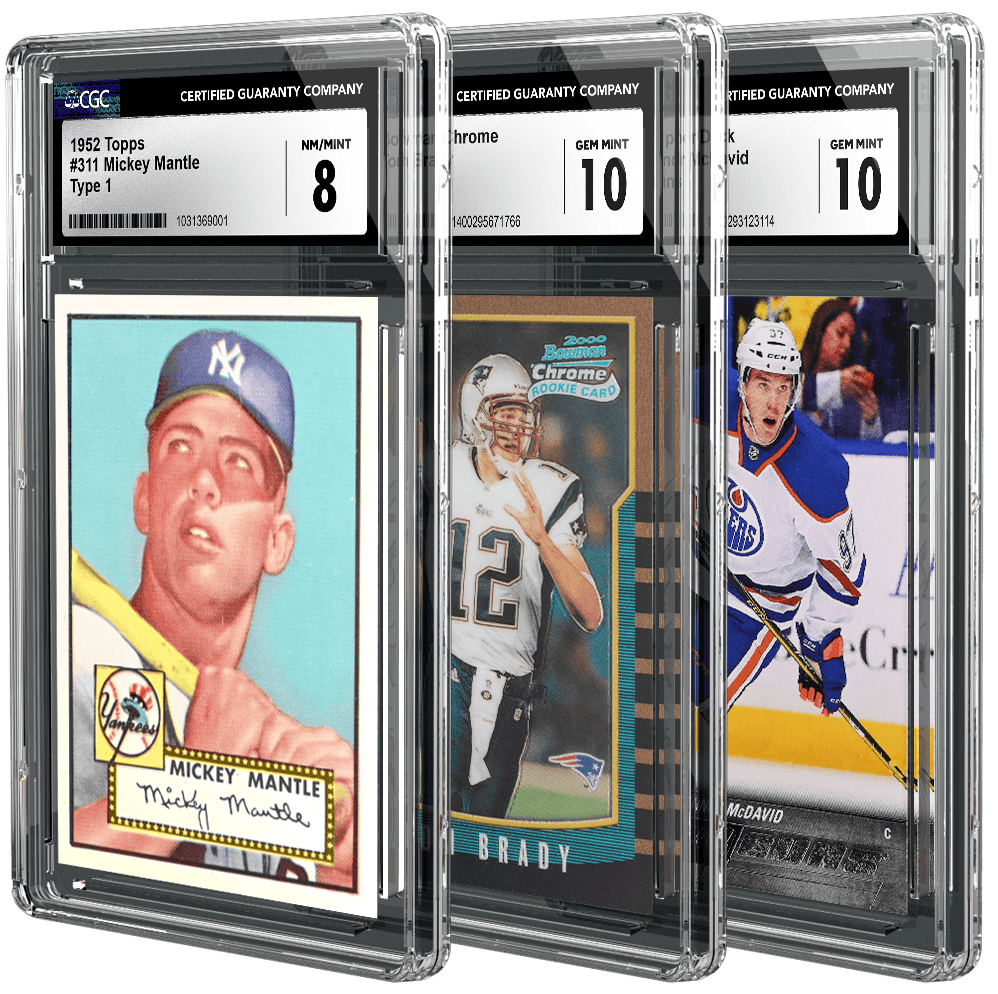
Image Source: www.cgccards.com
Deciphering the Price Tag: Factors Affecting Grading Costs
Several elements contribute to the final price you’ll pay for professional card grading services. Understanding these factors is key to budgeting for your grading needs.
The Grading Company: A Spectrum of Services and Prices
The most prominent names in baseball card grading, such as Professional Sports Authenticator (PSA) and Beckett Grading Services (BGS), often set the industry standards for pricing. However, other reputable services like Sportscard Guaranty Corporation (SGC) also offer competitive rates.
-
PSA Grading Fees: PSA is one of the most popular grading services. Their fees can vary widely based on the service level chosen.
- Economy/Standard: Typically for lower-value cards or bulk submissions.
- Regular: A middle-tier option.
- Express/Walkthrough: For faster turnaround times, these services come at a premium.
- Value: A specific tier for cards with a lower declared value.
-
Beckett Grading Prices: Beckett is known for its detailed grading scale and comprehensive encapsulation. Beckett grading prices are often competitive and reflect the thoroughness of their authentication and grading process. Similar to PSA, Beckett offers different service levels to accommodate various needs and budgets.
-
SGC Grading Cost: SGC (Sportscard Guaranty Corporation) is another well-established grading company, particularly favored by collectors of vintage cards due to their distinctive black-and-gold holder. The SGC grading cost is generally considered competitive, offering various service tiers based on turnaround time and declared value.
Declared Value: The Heart of the Pricing Structure
One of the most significant drivers of baseball card grading cost is the declared value of the card. This is the maximum estimated market value you assign to your card before it’s graded.
- Lower Declared Value: Cards with a lower declared value will typically fall into the less expensive service tiers. This is often the case for modern, common cards or older cards that haven’t appreciated significantly in value.
- Higher Declared Value: If you believe your card is highly valuable, you’ll need to declare a higher value. This often pushes the card into premium service tiers, and the grading fee per card can increase significantly. There might also be an additional insurance premium based on the declared value, especially for very high-end submissions. This is crucial for modern baseball card grading of valuable rookie cards and vintage baseball card grading of iconic stars.
Service Level and Turnaround Time: Speed vs. Savings
The speed at which you want your cards graded directly impacts the cost. Professional card grading services offer different turnaround times to cater to diverse collector needs.
- Standard/Economy: These are the most budget-friendly options, but they come with the longest grading turnaround time. You might be waiting several weeks or even months to receive your graded cards.
- Expedited Services: If you need your cards back quickly, you can opt for faster turnaround services. These often come with a higher price tag. Options might include 3-day, 5-day, or even same-day turnaround for certain tiers.
- Bulk Submissions: For collectors with many cards to grade, most services offer bulk submission discounts. This can significantly lower the per-card cost, especially if you have a large volume of cards. However, bulk submissions usually come with longer turnaround times.
Membership and Bulk Discounts: Maximizing Your Budget
To make grading more accessible, many professional card grading services offer membership programs or bulk submission discounts.
- Membership Perks: Becoming a member of a grading service might grant you access to lower pricing tiers, exclusive submission windows, or other benefits. This can be a cost-effective strategy for serious collectors who plan to grade many cards over time.
- Volume Incentives: Submitting a large number of cards at once can often result in a lower per-card grading cost. The exact number of cards required to qualify for these discounts varies by service.
Exploring Pricing for Key Grading Services
Let’s delve into some of the typical pricing structures you can expect from the major players in the industry. It’s important to note that these prices are subject to change and may have seasonal variations or special promotions. Always check the official websites of PSA, Beckett, and SGC for the most up-to-date pricing.
PSA Pricing Breakdown
PSA offers a tiered pricing structure primarily based on declared value and turnaround time.
| Service Level | Declared Value (per card) | Estimated Turnaround Time | Typical Cost Per Card |
|---|---|---|---|
| Economy | $1-$499 | 30-60 Business Days | $15 – $25 |
| Regular | $1-$499 | 20-30 Business Days | $25 – $40 |
| Express | $1-$499 | 10-15 Business Days | $50+ |
| Value | $1-$499 | 60-90 Business Days | $15 (for bulk tiers) |
| Higher Declared Value | Varies | Varies | Starts at $50+ |
- Note: PSA often has specific promotions or tiers that are available to PSA Collectors Club members, which can offer a slight discount. The card authentication cost is integrated into these grading fees.
Beckett Grading Prices
Beckett’s pricing is also driven by declared value and speed of service. They are known for their detailed numerical grade breakdown.
| Service Level | Declared Value (per card) | Estimated Turnaround Time | Typical Cost Per Card |
|---|---|---|---|
| Value | $1 – $99 | 60+ Business Days | $15 – $20 |
| Standard | $1 – $299 | 30-45 Business Days | $25 – $40 |
| Fast Track | $1 – $299 | 15-25 Business Days | $50+ |
| Express | $1 – $299 | 7-12 Business Days | $75+ |
| Premium/High Value | Varies | Varies | Varies Significantly |
- Note: Beckett’s pricing can sometimes be slightly higher than PSA for comparable service levels, reflecting their in-depth grading methodology.
SGC Grading Cost
SGC often appeals to vintage card collectors and has a straightforward pricing structure.
| Service Level | Declared Value (per card) | Estimated Turnaround Time | Typical Cost Per Card |
|---|---|---|---|
| Economy | $1-$249 | 30-45 Business Days | $20 – $30 |
| Standard | $1-$249 | 20-30 Business Days | $30 – $50 |
| Expedited | $1-$249 | 10-15 Business Days | $60+ |
| High Value | Varies | Varies | Starts at $100+ |
- Note: For vintage baseball card grading, SGC’s distinctive holders are highly sought after, and their pricing is competitive, particularly for mid-to-high value vintage cards.
Beyond the Basic Grading: Additional Costs and Considerations
While the per-card grading fee is the primary expense, other factors can add to the overall cost of getting your cards graded.
Shipping and Insurance
You’ll need to factor in the cost of shipping your cards to the grading service and the cost of insurance.
- Shipping Costs: This depends on the shipping carrier you choose, the weight and size of your package, and your location relative to the grading facility.
- Insurance: It’s highly recommended to insure your package for its full declared value. This cost is usually a small percentage of the total declared value of the cards being shipped.
Return Shipping
Once your cards are graded and encapsulated, they will be shipped back to you. The grading services typically charge for return shipping and insurance, which is also based on the declared value and the shipping speed you select.
Card Authentication Cost
For collectors who are primarily concerned with verifying the authenticity of a card without necessarily seeking a numerical grade, some services offer a dedicated card authentication cost. This is generally less expensive than a full grading service but provides the assurance that the card is genuine. However, most major grading companies bundle authentication with their grading services.
Encapsulation and Holder Fees
The cost of the slab or holder your card is encapsulated in is typically included in the overall grading fee. These holders are designed for long-term preservation and security.
Specialty Services
- Autograph Authentication: If your card has an autograph, you might opt for a service that authenticates both the card and the autograph. This usually incurs an additional fee.
- Custom Labels: Some services allow for custom labels, which can add a personal touch but may also come with an extra charge.
- Sub-Grades: Beckett, in particular, offers detailed sub-grades for centering, corners, edges, and surface. While this is included in their pricing, it’s a feature that adds to the perceived value and often influences collectors’ choices.
Making the Decision: How Much to Grade a Baseball Card
Deciding whether to grade a specific baseball card and how much to spend involves a careful evaluation of the card’s potential return on investment.
Evaluating Your Card’s Potential
Before sending any card for grading, ask yourself these questions:
- What is the current market value of the ungraded card?
- What is the potential market value of the card if it receives a high grade (e.g., PSA 8, 9, or 10)?
- What is the estimated cost of grading, including shipping and insurance?
- Is the potential increase in value worth the grading cost and the time it takes?
- What is the condition of the card? Even valuable cards may not be worth grading if they are in poor condition.
Vintage vs. Modern Baseball Card Grading
The decision-making process can differ slightly for vintage and modern cards.
- Vintage Baseball Card Grading: For vintage cards, the key drivers are often the player’s historical significance, the card’s rarity, and its condition. Iconic players from the 1950s, 60s, and 70s, especially in high grades, can see significant value increases after grading. The sports card appraisal value is critical here.
- Modern Baseball Card Grading: For modern cards, the focus is usually on rookie cards of current stars, short-printed variations, and low-numbered parallels. These cards can also see substantial appreciation with high grades, especially if the player becomes a superstar. The card authentication cost is less of a factor here as modern cards are generally easier to authenticate.
When Grading Makes Financial Sense
Grading is most likely to be financially beneficial if:
- The card is already in excellent condition, suggesting it has a good chance of achieving a high grade.
- The potential increase in the card’s value after grading significantly outweighs the total cost of grading.
- You are looking to preserve the card’s condition for the long term and protect its value.
- You plan to sell the card, as graded cards often command higher prices and are more attractive to buyers.
- The card is rare and has a strong demand in the market.
When Grading Might Not Be Worth It
You might want to reconsider grading if:
- The card is in poor condition, making a high grade unlikely.
- The cost of grading (including shipping and insurance) is close to or exceeds the current market value of the ungraded card.
- The potential value increase from grading is minimal.
- You are grading common cards or cards of players who are not in high demand.
Tips for a Smooth Grading Experience
To ensure your grading submission goes smoothly and efficiently:
- Research: Familiarize yourself with the grading criteria of your chosen service.
- Clean Carefully: Gently clean your cards if necessary, but avoid harsh chemicals or abrasive materials.
- Handle with Care: Always handle cards by their edges to avoid fingerprints and damage.
- Use Penny Sleeves and Toploaders: Protect your cards during transit by placing them in soft penny sleeves and then rigid toploaders.
- Fill Out Paperwork Accurately: Double-check all submission forms, declared values, and contact information.
- Choose the Right Service Level: Balance your budget with your desired grading turnaround time.
- Consider Bulk Submissions: If you have many cards, explore bulk submission options to save on per-card costs.
- Track Your Submission: Most services provide online tracking for your submissions.
Frequently Asked Questions (FAQ)
Q1: What is the cheapest way to get a baseball card graded?
The cheapest way is usually to utilize the “Economy” or “Value” service tiers offered by grading companies, especially when submitting in bulk. These services have the longest turnaround times but the lowest per-card cost, often starting around $15-$20 per card for lower declared values.
Q2: Can I grade a single baseball card?
Yes, you can grade a single baseball card, but it is usually the most expensive option per card. Most grading services have a minimum submission requirement, and single-card submissions often fall into premium or express service tiers due to the administrative overhead.
Q3: Who is the best baseball card grading service?
“Best” is subjective and depends on your priorities. PSA is the most recognized and often leads to higher resale values. Beckett is praised for its detailed grading and sub-grades. SGC is a strong contender, particularly for vintage cards, and their holders are aesthetically pleasing to many. Researching each company’s reputation, pricing, and turnaround times will help you decide.
Q4: How long does it take to get a baseball card graded?
The grading turnaround time can vary significantly. Standard or economy services can take anywhere from 30 days to several months. Express or premium services can return your cards in as little as 3-10 business days. Always check the grading company’s website for current estimated turnaround times, as these can fluctuate based on submission volume.
Q5: Does grading increase the value of a baseball card?
Grading can significantly increase the value of a baseball card, especially if it receives a high grade (like a 9 or 10) and the card is desirable (e.g., a star player’s rookie card, a rare vintage card). A graded card provides authenticity, protection, and a standardized assessment of condition, making it more appealing and trustworthy to buyers. However, not all cards see a substantial value increase after grading; it depends heavily on the card’s intrinsic value, condition, and market demand.
By carefully considering these factors, you can confidently navigate the world of baseball card grading and make informed decisions about preserving and enhancing the value of your collection.