
What is the best way to measure a youth baseball glove? The best way to measure a youth baseball glove is by using a tape measure to find the length from the tip of the index finger to the heel of the glove, and then consulting a youth baseball glove sizing guide or child baseball glove size chart.
Finding the right baseball glove for your young player is crucial for their development and enjoyment of the game. A glove that’s too big can make it hard to catch the ball, while one that’s too small can be uncomfortable and hinder performance. This comprehensive guide will walk you through everything you need to know about youth baseball glove sizing. We’ll cover how to measure, factors to consider, and provide tips to ensure your child has the perfect fit.
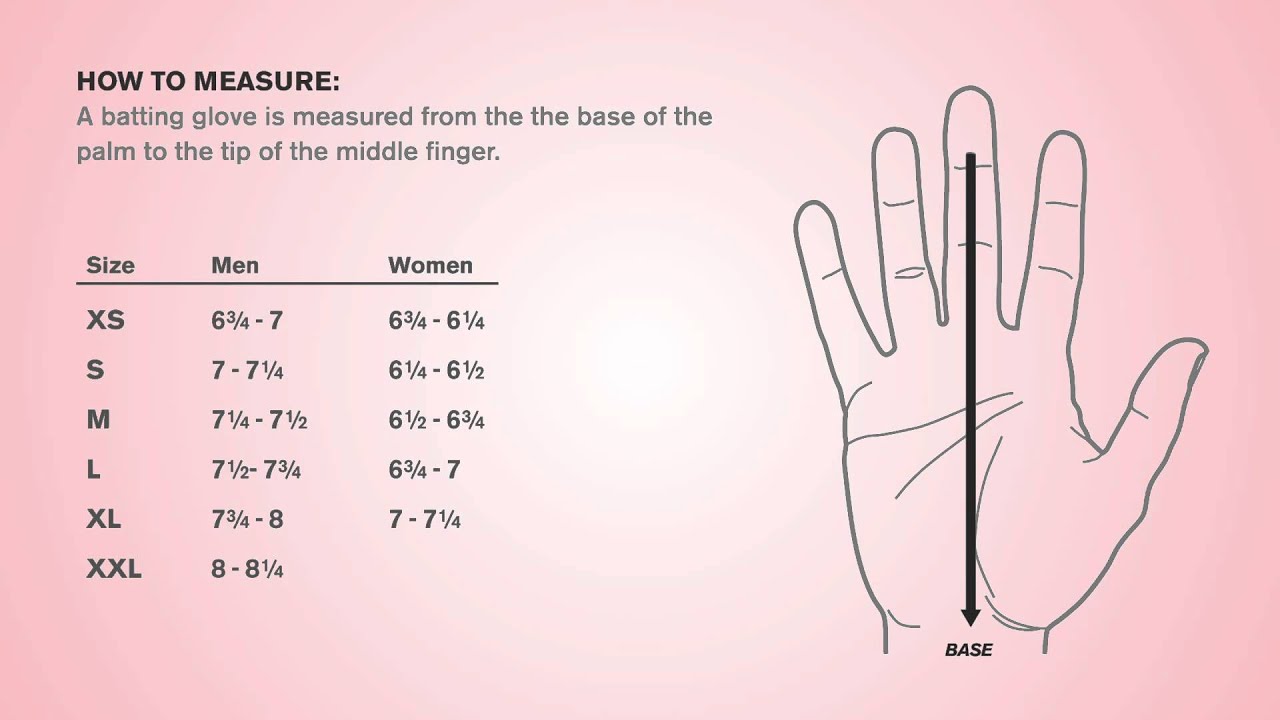
Image Source: i.ytimg.com
Deciphering Baseball Glove Sizing: The Basics
Baseball gloves are sized in inches, and this measurement refers to the overall length of the glove from the tip of the index finger to the heel. Unlike adult gloves, which might have more nuanced sizing based on specific player positions, youth gloves are generally designed for a wider range of players. The key is finding a size that allows for easy ball security and a comfortable grip without being overwhelming.
Why Glove Size Matters for Young Players
A properly sized youth baseball glove offers several benefits:
- Improved Catching Ability: A glove that fits well makes it easier for a child to control and secure the ball. This leads to fewer dropped balls and more confidence.
- Comfort and Reduced Fatigue: An ill-fitting glove can cause discomfort, blisters, and even pain, making practice and games less enjoyable.
- Proper Technique Development: When a glove fits correctly, it allows a young player to develop good catching techniques, such as keeping their eye on the ball and using two hands.
- Increased Confidence: Feeling comfortable and capable with their equipment boosts a child’s self-esteem on the field.
How To Measure for a Youth Baseball Glove: A Step-by-Step Approach
How to measure for a youth baseball glove involves a straightforward process using a tape measure. You’ll measure from the tip of the index finger to the heel of the glove. However, when you don’t have a glove in hand, you can use your child’s hand measurements as a guide.
Measuring Your Child’s Hand
While you can’t directly measure a glove without one, you can measure your child’s hand to get a good idea of what size they might need.
- Measure Hand Length: Have your child place their dominant hand flat on a piece of paper. With a pencil held vertically, trace the outline of their hand. Measure from the tip of the middle finger down to the base of the palm (the heel of the hand).
- Measure Hand Width: Measure across the widest part of your child’s palm, just below the fingers.
These hand measurements can then be cross-referenced with a child baseball glove size chart, though it’s important to remember these are starting points. Glove manufacturers often have their own specific sizing recommendations.
The Glove Measurement Method (When a Glove is Available)
If you have a glove you’re considering or want to compare, follow these steps:
- Place the Glove Flat: Lay the baseball glove flat on a surface.
- Locate the Index Finger Tip: Find the very end of the index finger stall.
- Find the Heel: Identify the deepest part of the pocket, which is considered the heel of the glove.
- Measure: Use a tape measure to measure in a straight line from the tip of the index finger down along the outside edge of the glove to the point where the pocket begins to curve towards the heel.
This measurement, in inches, is the standard way baseball gloves are sized.
The Importance of the Youth Baseball Glove Sizing Guide
A youth baseball glove sizing guide is your best friend when navigating the world of youth gloves. These guides translate the measured length of a glove into age or size recommendations. They help simplify the process of finding the right baseball glove for kids.
Factors Influencing Glove Size Selection
Several factors go into choosing the correct size:
- Age: This is the most common starting point. Younger children will generally need smaller gloves.
- Hand Size: Even within the same age group, children have different hand sizes. A larger-handed 8-year-old might need a glove similar to what a smaller-handed 9-year-old uses.
- Position Played: While less critical for very young players, as children advance, specific positions might benefit from slightly different glove designs and sizes. Infielders often prefer smaller, more manageable gloves for quick transfers, while outfielders might opt for slightly larger gloves for extended reach. Pitchers may use gloves with closed webbing to conceal their grip on the ball.
- Personal Preference: Some players simply feel more comfortable with a slightly larger or smaller glove than the general recommendation.
Baseball Glove Size by Age for Youth: A General Framework
When looking at baseball glove size by age for youth, it’s important to remember these are guidelines. Your child’s specific hand size and the glove’s construction can influence the ideal fit.
Common Glove Sizes and Age Ranges
Here’s a general youth baseball glove length guide based on age:
| Age Group | Glove Size (Inches) | Typical Player Position |
|---|---|---|
| 3-5 Years Old | 9.5″ – 10″ | T-Ball, Coach Pitch |
| 6-8 Years Old | 10″ – 11″ | Coach Pitch, Youth Pitch |
| 9-12 Years Old | 11″ – 11.5″ | Youth League, Little League |
| 13+ Years Old | 11.5″ – 12.5″+ | Intermediate, Teen |
What size baseball glove for a 10 year old? For a 10-year-old, a glove size between 11 inches and 11.5 inches is typically appropriate. However, it’s always best to try on a glove or measure their hand to confirm.
Using a Child Baseball Glove Size Chart
A child baseball glove size chart is invaluable. These charts often combine age, hand measurements, and sometimes even player position to offer more precise recommendations. You can usually find these charts on sporting goods websites or directly from glove manufacturers.
Example Child Baseball Glove Size Chart:
| Age Range | Hand Length (Inches) | Glove Size (Inches) |
|---|---|---|
| 3-5 | 4-5 | 9.5 – 10 |
| 6-8 | 5-6 | 10 – 11 |
| 9-10 | 6-7 | 11 – 11.5 |
| 11-12 | 7-8 | 11.5 – 12 |
| 13+ | 8+ | 12+ |
Note: Hand length is measured from the tip of the middle finger to the base of the palm.
Youth Glove Fitting Tips: Ensuring the Perfect Match
Beyond just size, a few youth baseball glove fitting tips can make all the difference.
Trying On a Glove: Key Checks
When your child tries on a glove:
- Finger Fit: The tips of their fingers should be close to the end of the glove’s finger stalls, but not so far that there’s excessive space. Too much room makes it hard to control the glove.
- Thumb Position: Their thumb should fit comfortably in the thumb stall. It should feel snug but not cramped.
- Glove Closure: Have your child close the glove. It should be able to close fully around a baseball placed in the pocket. If it’s too stiff or too large, they might struggle to close it.
- Comfort: The glove shouldn’t pinch or rub anywhere. The padding should feel comfortable against their hand.
- Weight: The glove shouldn’t feel too heavy for your child to swing their arm with naturally.
The Role of a Youth Glove Size Calculator
Some online resources offer a youth glove size calculator. These tools typically ask for your child’s age, hand measurements, and sometimes the position they play. They then suggest a recommended glove size. While helpful, always treat calculator results as a recommendation and prioritize the actual fit and feel.
Glove Break-In: A Necessary Step
Most new youth baseball gloves will feel stiff. A proper break-in process is essential to make the glove pliable and easier to close.
Glove Break-In Methods:
- Glove Oil/Conditioner: Apply a small amount of specialized glove oil or conditioner to the inside of the glove. Work it into the pocket and laces.
- Stuffing: Stuff the glove with a baseball or a glove mallet and tie it shut with string or a rubber band.
- “Glove Hugging”: Bend the glove in half and wrap a rubber band or glove strap around it to keep it in a catching position.
- Playing Catch: The best way to break in a glove is to use it! Regular playing catch will naturally help shape and soften the leather.
Avoid methods like baking the glove in an oven or using excessive amounts of oil, as these can damage the leather and the glove’s structure.
Youth Baseball Glove Selection Criteria: Beyond Just Size
While size is paramount, other youth baseball glove selection criteria are also important.
Material Matters
- Genuine Leather: Offers superior durability, feel, and performance. It requires more break-in time but will mold to the player’s hand over time.
- Synthetic Leather: Often lighter and requires less break-in time. It’s a good option for younger players or those on a tighter budget, but it may not be as durable or perform as well as genuine leather.
- Mesh Backs: Some youth gloves feature mesh backs to reduce weight and improve breathability, which can be a great feature for younger players.
Webbing Styles
The webbing between the thumb and index finger can vary:
- Closed Webbing: Commonly found on pitcher’s gloves, these are designed to conceal the ball.
- Open Webbing (Basket Web, I-Web, H-Web): These allow for better visibility through the webbing and are popular for infielders and outfielders.
Pocket Depth
- Shallow Pocket: Favored by infielders for quick ball transfer.
- Deep Pocket: Preferred by outfielders to securely hold fly balls.
For very young players, a medium-depth pocket is usually the most versatile.
What Size Baseball Glove for a 10 Year Old? (Revisited)
To reiterate, what size baseball glove for a 10 year old is typically between 11 and 11.5 inches. However, always check against a reliable youth baseball glove sizing guide or have your child try on gloves if possible. A quick check of their hand measurements against a chart is also a good indicator. Remember, comfort and the ability to close the glove are critical.
Frequently Asked Questions About Youth Baseball Gloves
Here are some common questions parents and young players have about selecting a baseball glove:
Q1: How often do youth baseball gloves need to be replaced?
A1: Youth baseball gloves typically need to be replaced every 1-3 years, depending on the quality of the glove, how often it’s used, and the player’s growth. As children grow, their hands get bigger, and they will outgrow their current glove.
Q2: Can my child use an adult-sized glove?
A2: It’s generally not recommended for young children to use adult-sized gloves. Adult gloves are much larger and heavier, making them difficult for a child to control and catch with effectively. This can hinder their development and lead to frustration. Sticking to a youth baseball glove sizing guide is best.
Q3: What’s the difference between a baseball glove and a softball glove for youth?
A3: While similar, softball gloves are typically larger and have a deeper pocket than baseball gloves to accommodate the larger softball. For youth players, ensure you are selecting a glove specifically designed for baseball.
Q4: Is it okay if the glove is a little big?
A4: While it’s tempting to buy a glove your child can “grow into,” a glove that is too big will make it harder to catch the ball and develop proper technique. It’s better to find a glove that fits well now, even if it means replacing it sooner as they grow. Focus on the immediate usability and comfort.
Q5: How should my child break in their glove?
A5: As mentioned earlier, the best way to break in a glove is through regular use. Applying a small amount of glove oil or conditioner, stuffing the glove with a ball, and “glove hugging” can also speed up the process. Patience is key!
Q6: What is the difference between infield, outfield, and pitcher’s gloves for youth?
A6:
* Infield Gloves: Tend to be smaller (10.5-11.5 inches) with shallow pockets for quick transfers.
* Outfield Gloves: Are usually larger (11.5-12.5 inches) with deeper pockets to secure fly balls.
* Pitcher’s Gloves: Often feature closed webbing for concealing the ball and can range in size from 11.5-12 inches.
For very young players just starting, a versatile all-around glove is usually the best choice.
Q7: How do I know if the glove is too small?
A7: If your child’s fingers are jammed into the finger stalls with no room, or if the glove feels tight and uncomfortable, it’s likely too small. They should be able to comfortably get their hand in and out of the glove, and the fingers should reach near the end of the stalls without being cramped.
Q8: Where can I find a reliable youth baseball glove sizing guide or chart?
A8: You can find these resources on the websites of major sporting goods retailers (like Dick’s Sporting Goods, BaseballSavings, etc.), directly on the websites of glove manufacturers (like Rawlings, Wilson, Mizuno, etc.), and on various baseball instruction and equipment review sites. A quick online search for “youth baseball glove sizing guide” or “child baseball glove size chart” will yield many results.
By following this guide and paying attention to your child’s comfort and ability to handle the glove, you can confidently select the perfect baseball glove to help them enjoy the game and develop their skills. Happy catching!