
A baseball glove is measured from the tip of the index finger to the heel of the glove, typically in inches. The measurement is taken along the longest part of the pocket.
Choosing the right baseball glove is crucial for any player, from the youngest aspiring slugger to the seasoned veteran. A glove that fits well enhances performance, provides better protection, and feels like an extension of your own hand. But how exactly are these essential pieces of equipment measured? This comprehensive guide will break down everything you need to know about baseball glove measurements, helping you make an informed decision when it comes to finding the right glove size.
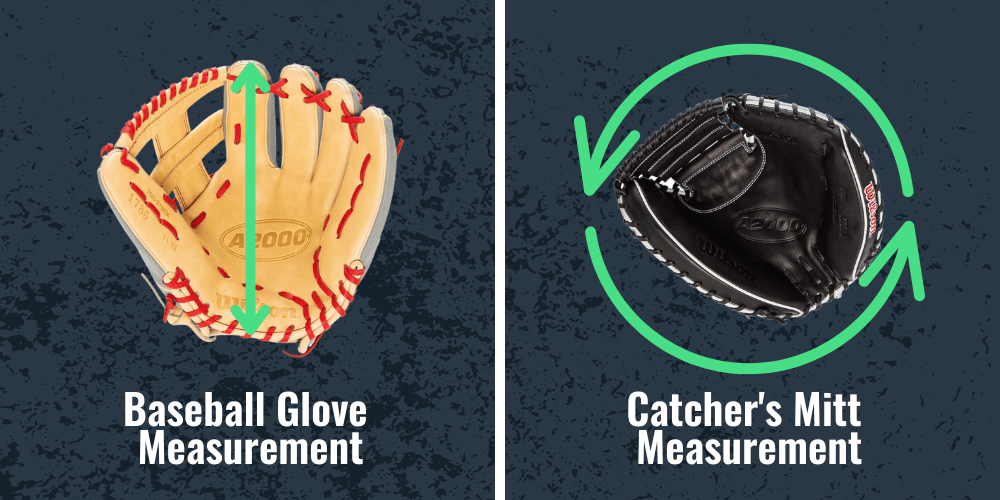
Image Source: dac8r2vkxfv8c.cloudfront.net
Deciphering Glove Measurements: The Basics
When you look at a baseball glove, you might notice a number stamped on the outside, usually accompanied by an “inch” symbol. This number represents the glove’s size. However, simply knowing this number isn’t enough. We need to delve into the specifics of how these measurements are taken and what they mean for different positions and age groups. Understanding baseball glove sizing is key to unlocking your potential on the field.
The Core Measurement: Glove Length
The primary way baseball gloves are measured is by their length. This is typically measured from the tip of the index finger (or sometimes the middle finger) down to the very bottom of the heel of the glove. Think of it as measuring the longest dimension of the glove’s interior when it’s laid flat.
- Why is this important? The length of the glove dictates how much of your hand and wrist it covers, as well as the overall reach you’ll have when fielding a ball. Too short, and you might have trouble snagging ground balls or fly balls cleanly. Too long, and the glove can feel cumbersome and slow down your transfers.
The Measurement Process: A Closer Look
How to measure a baseball glove for purchase often involves comparing the stated size to your hand size. While you can’t usually try on gloves online, knowing the standard measurement method helps you interpret manufacturer specifications.
- Lay the Glove Flat: Place the glove on a flat surface with the palm facing up.
- Identify Key Points: Locate the very tip of the longest finger (usually the index finger) and the lowest point of the heel, which is the padded area at the very bottom of the palm.
- Measure Straight: Using a flexible measuring tape or a ruler, measure in a straight line from the tip of the finger to the heel. This measurement is typically taken along the curve of the glove’s pocket, following the natural line where a ball would rest.
It’s important to note: Different manufacturers might have slightly varying methods for measuring, but the general principle of measuring the longest dimension from fingertip to heel remains consistent.
Key Components Influencing Glove Fit: Beyond Just Length
While glove length is the primary indicator, several other factors contribute to how a baseball glove truly fits and performs. These elements are often considered when discussing baseball mitt measurements and are crucial for finding the right glove size.
The Pocket: Where the Magic Happens
The pocket is the area of the glove where the ball rests after being caught. Its depth and shape are critical for securely holding onto the ball and preventing it from popping out.
- Glove Pocket Depth: This refers to how deep the pocket is. A deeper pocket is generally preferred by infielders who need to secure ground balls quickly and prevent them from bouncing out. Outfielders, who often catch high fly balls, might prefer a slightly shallower but wider pocket to get their hands on the ball more easily.
- Pocket Width: The width of the pocket also plays a role. A wider pocket can be more forgiving, making it easier to catch balls that aren’t perfectly hit into the center of the glove.
Finger Stalls: Comfort and Control
The individual finger stalls (the slots where your fingers go) are vital for comfort and control.
- Finger Stall Width: The width of these stalls affects how snug or loose the glove feels on your hand. Some players prefer a tighter fit for better control and feel, while others like a bit more room. This is often a matter of personal preference and can be influenced by the thickness of your fingers.
- Finger Hoods: Some gloves have individual finger hoods, while others have a two-piece or three-piece web that can affect how the glove closes.
The Webbing: Connecting the Pieces
The webbing between the thumb and the first finger is another significant component.
- Webbing Type: Different types of webbing (e.g., I-web, H-web, Basket web) affect the glove’s flexibility, visibility of the ball, and how easily it closes. An H-web, for instance, offers good visibility and is popular among infielders.
Navigating Baseball Glove Sizes: A Comprehensive Approach
Understanding baseball glove sizing is an ongoing process, especially as players grow and their positions evolve. A glove that was perfect last season might be too small this year.
The Glove Size Chart: Your First Reference Point
A glove size chart is an invaluable tool when you’re trying to determine the correct size. These charts typically list glove sizes by age group or by position.
- Age-Based Sizing: For younger players, glove size is often correlated with age. This is because children’s hands grow, and their physical development dictates the size of the glove they can comfortably and effectively use.
- Position-Based Sizing: As players get older and specialize in positions, glove sizing becomes more nuanced and position-specific.
Here’s a general look at how glove sizes can vary:
| Age Group (Approximate) | Youth Baseball Glove Size (Inches) | General Position Recommendation |
|---|---|---|
| T-Ball (Ages 4-6) | 9″ – 10″ | Outfield/Utility |
| Little League (Ages 7-9) | 10″ – 11″ | Infield/Outfield |
| Pony/Majors (Ages 10-12) | 11″ – 11.5″ | Infield/Outfield |
| Teens/High School (Ages 13+) | 11.5″ – 12.5″ | Position Specific |
Important Note: These are general guidelines. Individual hand size and player preference can significantly impact the ideal glove size.
Position-Specific Needs: Tailoring Your Glove
Different positions on the baseball field require different types of gloves, and therefore, different sizing considerations.
Infielders
Infielders need gloves that allow for quick transfers from glove to throwing hand. This generally means a smaller, more manageable glove with a shallower pocket.
- Second Basemen and Shortstops: Often use gloves in the 11″ to 11.75″ range. The shallower pocket helps them get the ball out quickly for double plays.
- Third Basemen: Typically use slightly larger gloves (11.5″ to 12″) with a deeper pocket to handle hard-hit ground balls and line drives.
Outfielders
Outfielders need gloves with a larger reach to snag fly balls and a deeper pocket to secure them.
- General Outfield: Gloves typically range from 12″ to 12.75″. The extra length provides a wider catching area and allows them to extend their reach.
Catchers and First Basemen
These positions use specialized mitts, which are measured differently than standard fielders’ gloves.
- Catchers’ Mitts: These are unsegmented, padded mitts designed to create a large, round target for pitchers. They are measured by circumference, typically ranging from 32″ to 34″.
- First Basemen’s Mitts: These are long, scoop-like mitts designed to help snag throws from infielders. They are measured by length, usually from 12.75″ to 13″.
Baseball Glove Patterns: The Blueprint of the Glove
Baseball glove patterns refer to the design and construction of the glove. Different patterns are created with specific positions and player preferences in mind.
- Webbing: As mentioned earlier, the type of webbing (e.g., I-web, H-web, closed web) is a key aspect of a glove’s pattern.
- Finger Spacing and Shape: The way the finger stalls are designed can impact how the glove fits and closes.
- Heel and Palm Design: The contouring of the heel and palm affects the glove’s feel and its ability to form a good pocket.
When you’re looking at different baseball gloves, you’ll often see terms like “11.5-inch infield pattern” or “12.75-inch outfielder pattern.” This indicates both the size and the intended design for a particular role.
Finding the Right Glove Size: Practical Tips
Finding the right glove size is a blend of understanding measurements and personal preference. Here are some practical tips to help you along the way.
Measure Your Hand (For a General Idea)
While you’re buying a glove, not a glove that fits your hand perfectly, having a sense of your hand size can be helpful.
- Measure Your Dominant Hand: Make a loose fist.
- Measure from the tip of your middle finger to the heel of your palm.
- Measure the width of your palm across the knuckles.
This gives you a rough idea, but remember, glove sizing is primarily about the glove’s dimensions.
Consider Your Age and League Rules
- Youth Baseball Glove Size: For younger players, it’s essential to adhere to league rules regarding glove size. These rules are in place to ensure safety and fair play. Always check with your league or coach.
- Growth Spurts: For growing players, it’s sometimes better to err on the side of a slightly larger glove that they can grow into, rather than buying a glove that will be outgrown quickly. However, a glove that is too large can hinder performance.
Trying On is Key (When Possible)
If you have the opportunity to try on gloves, take advantage of it.
- How it Feels: Slip your hand into the glove. Does it feel too tight or too loose?
- Closing the Glove: Can you close the glove with relative ease? You should be able to get your fingers into the glove comfortably, and the glove should close around the ball without excessive force.
- The “Ball Test”: Place a baseball in the pocket of the glove. Close the glove around it. Can you hold the ball securely without it falling out when you turn the glove upside down?
Seek Expert Advice
Don’t hesitate to ask coaches, experienced players, or staff at a sporting goods store for recommendations. They can offer valuable insights based on your age, position, and playing style.
Frequently Asked Questions (FAQ)
Q1: How do I measure my child’s baseball glove size?
A1: For youth baseball, glove size is usually determined by age and position. Refer to a glove size chart that correlates age with recommended glove sizes (e.g., 9-10 inches for T-ball players, 11-11.5 inches for older youth players). It’s also important to consider their position, as infielders often prefer smaller gloves and outfielders larger ones.
Q2: Can I measure a baseball glove with a regular ruler?
A2: Yes, you can use a regular ruler or a flexible measuring tape. The standard method is to measure from the tip of the longest finger (usually the index finger) to the heel of the glove, along the longest part of the pocket.
Q3: What is the typical glove length for an outfielder?
A3: Outfielders typically use larger gloves to extend their reach and secure fly balls. Glove lengths for outfielders usually range from 12 inches to 12.75 inches, and sometimes even up to 13 inches for professional players.
Q4: How is a catcher’s mitt measured, not a standard fielder’s glove?
A4: A catcher’s mitt is measured differently because it’s a mitt, not a glove with individual finger stalls. It’s measured by its circumference, which is the distance around the widest part of the mitt. Common sizes for catchers’ mitts range from 32 inches to 34 inches.
Q5: What does it mean when a baseball glove has a “11.75-inch pattern”?
A5: A “11.75-inch pattern” refers to the measured length of the glove. This size is commonly used by middle infielders (shortstops and second basemen) who need a glove that is manageable for quick transfers, but still offers enough reach for fielding ground balls.
Q6: How do I know if my baseball glove is too big or too small?
A6: A glove that is too small will feel cramped, making it difficult to get your fingers in fully and close the glove around a ball. A glove that is too large will feel loose and floppy, making it hard to control and potentially causing fumbles. You should be able to close the glove around a baseball with reasonable effort, and it should feel comfortable and secure on your hand.
Q7: Are there specific measurements for finger stall width in baseball gloves?
A7: While manufacturers don’t always publish exact finger stall widths, it’s a significant factor in how a glove feels. Players who prefer a snugger fit for better control might look for gloves that feel tighter in the finger stalls. This is often a matter of personal preference and trying on different models.
By arming yourself with this knowledge about how is a baseball glove measured, you’re well on your way to selecting the perfect glove that will enhance your game for seasons to come. Happy fielding!