
Have you ever wondered, “Why is the baseball season so long?” The answer lies in a combination of historical traditions, the physical demands on players, and the strategic design of the MLB season duration. Major League Baseball (MLB) teams play a staggering 162 games each during the regular season, making it one of the longest professional sports schedules in the world. This extended baseball schedule length requires incredible stamina and dedication from everyone involved, from the players on the field to the fans in the stands.
The extended MLB season duration is not an accident. It’s a carefully constructed element of the sport that plays a significant role in its unique character and appeal. Let’s delve into the various reasons behind this marathon baseball season.
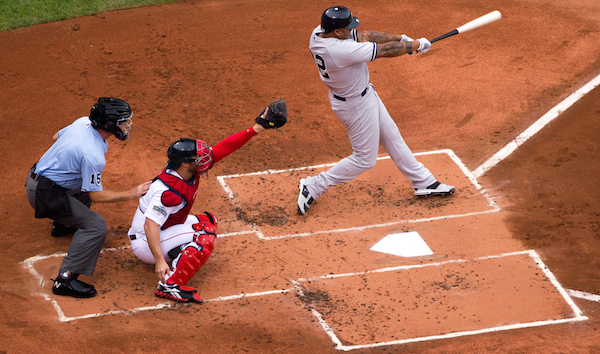
Image Source: dearsportsfan.com
Historical Roots of the Baseball Season Length
The length of the baseball season is deeply intertwined with the sport’s history. When baseball first became professional in the late 19th century, the game was quite different. Travel was slower and more arduous. Games were played more frequently in local areas, and a longer season allowed teams to play a substantial number of games against a variety of opponents without needing to constantly crisscross the country.
- Early Days of Travel: In the early days of professional baseball, teams traveled by train. Journeys could take days, and the logistical challenges of long-distance travel influenced how many games could be realistically played. A longer season, spread out over more months, made these journeys more manageable.
- Developing Rivalries: A longer season allows for the development of deeper rivalries and a more complete picture of a team’s strengths and weaknesses. It provides ample opportunity for teams to play each other multiple times, building narrative and anticipation.
- Economic Factors: The longer the season, the more opportunities there are for revenue generation through ticket sales, concessions, and broadcasting rights. This economic incentive has undoubtedly played a role in maintaining the current season length.
The Significance of 162 Games
The number 162 games per team is iconic in baseball. It’s a benchmark that has been in place for decades, and changing it would represent a significant departure from tradition.
Why 162?
The current number of games became standard in the early 20th century. While the exact reasoning is debated, it’s believed to be a balance between providing enough games for a true test of a team’s mettle and remaining practical given the available time and travel constraints of the era.
- Statistical Significance: A 162-game season provides a large enough sample size for statistical analysis. It allows for more reliable measures of player performance and team consistency. Short seasons can lead to flukes, where a team or player might perform exceptionally well or poorly due to small sample sizes.
- Fairness and Consistency: Playing the same number of games ensures a level playing field for all teams. It minimizes the argument that some teams had an easier or harder path due to a different number of games played.
The Grind: Baseball Season Endurance
The sheer endurance required for a 162-game season is immense. It’s a marathon, not a sprint, and this has a profound impact on the players.
- Physical Toll: Players must maintain peak physical condition for approximately six months, with little downtime. The constant travel, playing almost every day, and the physical exertion of each game wear players down. Injuries are a constant concern, and managing them throughout the season is a critical part of a team’s success.
- Mental Fortitude: Beyond the physical demands, the mental aspect of playing baseball for so long is equally challenging. Players must maintain focus, concentration, and motivation through slumps, long road trips, and the pressure of competition. The ability to bounce back from a bad game or a tough loss is crucial.
- Strategic Pitching and Player Management: To combat the fatigue, managers employ intricate strategies. This includes managing pitch counts for pitchers, rotating players in the lineup, and utilizing the bullpen effectively. The baseball season structure necessitates careful planning to keep players healthy and performing optimally.
Baseball Game Frequency and Scheduling
The frequency of games is a key component of the baseball season structure. Teams play an average of six games per week, often with travel days interspersed.
A Typical Week
A typical week for an MLB team involves:
- Series Play: Teams usually play in three- or four-game series against a single opponent. This allows for pitching rotations to be managed more effectively.
- Interleague Play: With the introduction of interleague play, teams now face opponents from both the American and National Leagues, adding another layer of complexity and variety to the schedule.
- Home and Away Splits: Teams alternate between playing at home and on the road, often for extended periods. A long road trip can mean playing in multiple cities over a week or more.
The Pace of the Season
While it might seem like games are played every single day, there are often off-days built into the schedule. These are crucial for:
- Player Recovery: Allowing players to rest and recover from the physical demands of the previous games.
- Travel: Facilitating movement between cities and ballparks.
- Avoiding Conflicts: Scheduling around holidays or major events in specific cities.
However, even with off-days, the overall baseball season frequency of games remains high.
Baseball Season Logistics: A Complex Dance
The sheer scale of organizing and executing a baseball season across North America presents immense logistical challenges.
Travel and Accommodation
- Chartered Flights: MLB teams primarily travel via chartered flights to maximize comfort and minimize travel time.
- Hotels: Teams have established relationships with hotels in various cities, ensuring consistent and convenient accommodations for players and staff.
- Equipment Management: Moving all the necessary equipment, from bats and gloves to training gear, across the country for every game is a significant undertaking.
Scheduling Complexity
- Balancing Leagues: The schedule must balance games within each league, between leagues (interleague play), and ensure a fair distribution of home and away games.
- Time Zones: MLB teams operate across multiple time zones, requiring careful consideration for game start times and player adjustments.
- Broadcast Requirements: Television and radio broadcast schedules often influence game times, especially for nationally televised games.
Player and Staff Welfare
- Medical Staff: A dedicated team of doctors, trainers, and physical therapists travels with each team to manage player health and injuries.
- Support Staff: Beyond the players, there is a large contingent of coaches, front office personnel, and other staff who are essential to the team’s operation throughout the season.
Baseball Season Comparison: A Unique Beast
When comparing the baseball season length to other major professional sports, its marathon nature becomes even more apparent.
| Sport | Regular Season Games | Regular Season Length (Approx.) | Playoff Length (Approx.) | Total Season Duration (Approx.) |
|---|---|---|---|---|
| Baseball (MLB) | 162 | 6 months | 1.5-2 months | 7.5-8 months |
| Basketball (NBA) | 82 | 5.5 months | 2 months | 7.5 months |
| Hockey (NHL) | 82 | 5.5 months | 2 months | 7.5 months |
| Football (NFL) | 17 | 4.5 months | 1 month | 5.5 months |
Note: These are approximate durations and can vary year to year.
Why the Differences?
- Nature of the Sport: Baseball is often described as a “pitcher’s duel” or a “strategic chess match” with periods of intense action punctuated by pauses. This contrasts with sports like basketball or hockey, which are continuous-flow games. The pauses in baseball allow for a more distributed effort over a longer period.
- Physicality: While all sports are physically demanding, the impact of contact in sports like football or the constant, high-intensity bursts in basketball and hockey can lead to more frequent rest days being necessary for individual players. Baseball’s exertion, while significant, is often more cumulative over time rather than explosive bursts of high-impact contact.
- Broadcasting and Revenue: The longer season provides more broadcast inventory, which is a significant revenue stream for MLB. It allows for more opportunities for national and local media coverage, generating ongoing interest and engagement.
The Allure of the Long Season
The extended baseball season length isn’t just a historical artifact or a logistical challenge; it’s a core part of what makes baseball unique and beloved.
The Narrative Arc
The marathon baseball season allows for a compelling narrative to unfold over months.
- Overcoming Adversity: Teams can experience significant slumps and still recover to make the playoffs. This ability to overcome adversity and demonstrate resilience is a hallmark of the season.
- Player Development and Adaptation: The long season provides opportunities for younger players to develop and for established stars to adapt their game. We see players improve, hit hot streaks, and go through slumps all within the same season.
- The Wild Card Race: The addition of Wild Card spots in recent decades has added even more drama and kept more teams in contention for longer, further extending the excitement of the season.
Fan Engagement
- Daily Fix: For dedicated fans, the near-daily baseball games provide a constant source of entertainment and conversation throughout the spring and summer. It becomes a backdrop to daily life.
- Building Anticipation: The slow burn of a long season builds anticipation for the playoffs and the World Series. Each game, each series, contributes to the larger story of the season.
- Subtlety and Strategy: The length of the season also allows for a deeper appreciation of the subtle strategies and nuances of the game that might be missed in a shorter, more condensed schedule.
Potential Future Adjustments
While the 162-game schedule is deeply ingrained, there have been ongoing discussions about potentially shortening the MLB season duration.
- Player Health and Safety: Concerns about player burnout and the long-term health effects of such a demanding schedule are frequently raised.
- Economic Viability: Some argue that a slightly shorter season with more “must-see” games could potentially increase attendance and viewership per game.
- Balancing Tradition and Modernity: MLB faces the challenge of balancing its rich history and traditions with the evolving needs and expectations of modern athletes and fans.
However, any significant change to the baseball schedule length would be a monumental decision, requiring careful consideration of all the factors that contribute to the current system.
Frequently Asked Questions (FAQ)
Q1: How many games does each MLB team play in a season?
A1: Each MLB team plays 162 games during the regular season.
Q2: Why is the baseball season so much longer than other sports like football?
A2: The longer baseball season is due to historical traditions, the nature of the game which allows for more frequent games without the same type of continuous high-impact contact as some other sports, and strategic decisions related to statistical reliability and revenue generation.
Q3: Does MLB have an off-season?
A3: Yes, MLB has an off-season that typically runs from the end of the World Series in late October or early November until Spring Training begins in February.
Q4: What are the main reasons for the MLB season duration?
A4: The main reasons include historical precedents, the need for a large enough sample size for statistical analysis, the physical and mental endurance required of players, and logistical and economic considerations.
Q5: How does the baseball season length affect players?
A5: The long season demands exceptional physical endurance and mental fortitude from players, requiring careful management of their health and performance to prevent burnout and injuries.
Q6: Has the number of games in an MLB season always been 162?
A6: No, the number of games has varied throughout baseball’s history. The 162-game schedule became standardized in the early 20th century.
Q7: Are there any discussions about shortening the MLB season?
A7: Yes, there are ongoing discussions about potentially shortening the season, primarily due to concerns about player health and safety, but tradition and economic factors make significant changes unlikely in the near future.