
Want to know how to become a baseball umpire? It’s a journey that requires passion for the game, dedication to learning the rules, and a commitment to fairness. Many aspiring umpires start at the youth level, gain experience, and then potentially work their way up to higher levels of play. This guide will walk you through the essential steps to becoming a baseball umpire.
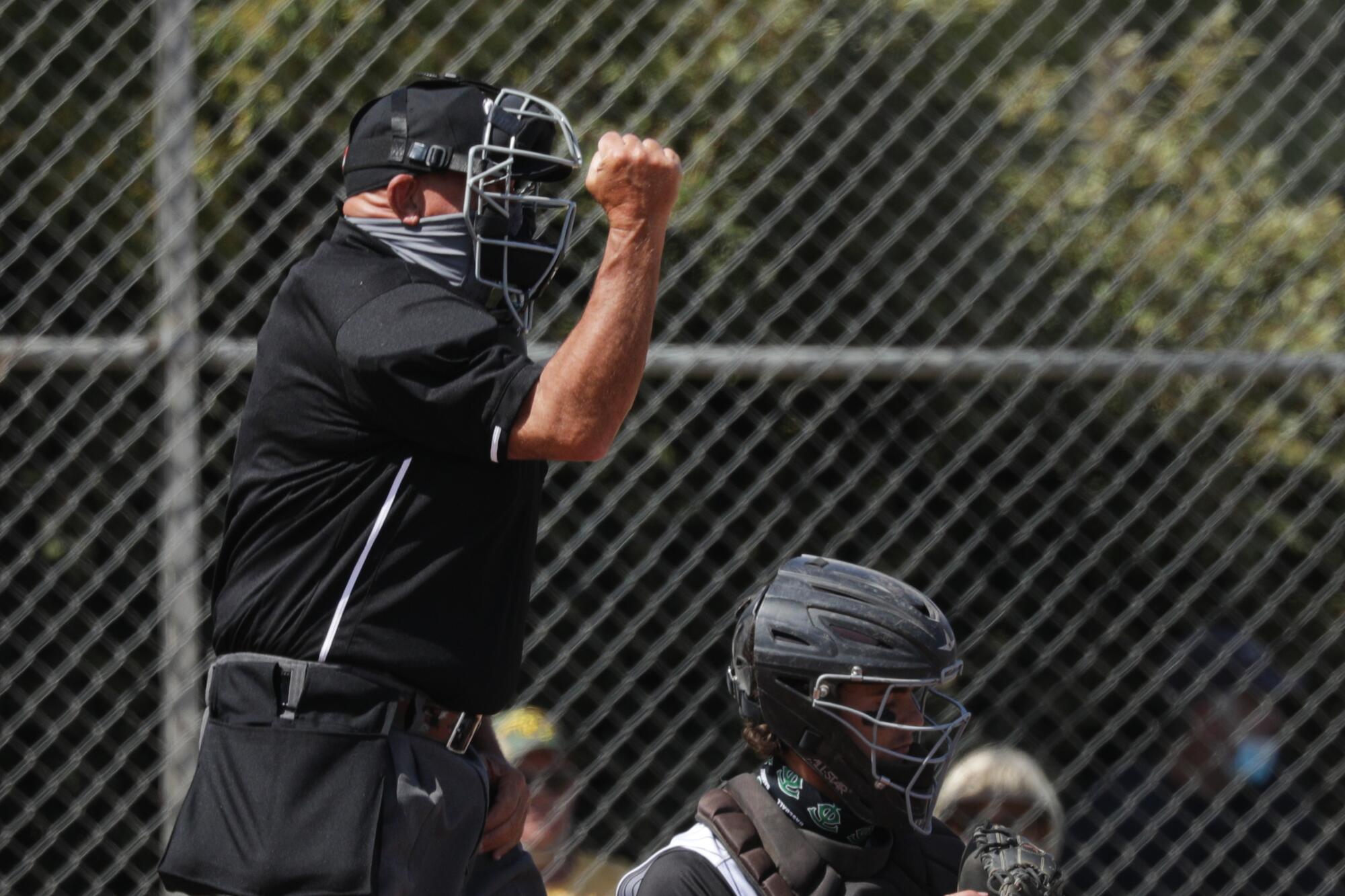
Image Source: ca-times.brightspotcdn.com
The Allure of the Umpire’s Call
The crack of the bat, the roar of the crowd, the tension in every pitch – these are the sounds and feelings that draw many to baseball. But beyond the players and coaches, there’s another crucial role that ensures the game is played correctly and fairly: the umpire. Becoming a baseball umpire is more than just a job; it’s a way to stay deeply connected to the sport you love, to exercise your judgment, and to contribute to the integrity of the game. Whether you dream of calling balls and strikes in a Little League park or on a professional diamond, the path to becoming a baseball umpire is accessible with the right guidance and effort. This comprehensive guide will equip you with the knowledge you need to embark on this rewarding career.
Laying the Foundation: Understanding the Basics
Before you even think about putting on the mask and chest protector, it’s vital to build a solid understanding of what being an umpire entails. This isn’t just about knowing the rules; it’s about understanding your role, the responsibilities you’ll shoulder, and the qualities that make a good umpire.
Essential Baseball Umpire Requirements
What are the fundamental requirements to even consider this role? Generally, you’ll need a strong understanding of baseball rules, good physical condition, and a commitment to impartiality. While age requirements vary by league and organization, most entry-level positions are available to adults. You’ll also need to be able to travel to game sites and dedicate time to learning and officiating.
The Journey Begins: Starting at the Youth Level
For most individuals, becoming a baseball umpire starts at the grassroots level. Youth baseball leagues, like Little League or Pony Baseball, are often looking for new umpires. This is where you gain invaluable experience, learn to manage game situations, and develop your skills in a less pressurized environment. Officiating youth games is a fantastic way to get started and build your confidence.
The Path to Proficiency: Baseball Umpiring Training and Education
Simply wanting to be an umpire isn’t enough. You need formal training to learn the nuances of the game, proper mechanics, and how to apply the rules consistently. This is where baseball umpiring training becomes paramount.
Why Formal Training Matters
The rules of baseball, while seemingly straightforward, have many intricacies. Official training programs cover everything from the precise definition of a strike zone to complex judgment calls like fair and foul balls, safe and out calls, and interference. Proper training ensures you make consistent, accurate decisions, which builds trust with players, coaches, and parents.
Navigating Baseball Umpire School
One of the most effective ways to gain comprehensive training is by attending a baseball umpire school. These specialized institutions offer intensive courses designed to teach you the art and science of umpiring. You’ll learn about:
- Rule Interpretation: Deep dives into the official rules and common rule interpretations.
- Mechanics: The proper positioning, footwork, and signals for calling balls and strikes, plays at the bases, and other game actions.
- Game Management: Strategies for communicating with players and coaches, handling disputes, and maintaining control of the game.
- Equipment: Proper fitting and use of umpire protective gear.
- Physical Conditioning: Exercises and strategies to stay fit for the demands of umpiring.
Many reputable umpire schools exist across the country, often run by experienced umpires with professional backgrounds. Researching and choosing a well-regarded school is a crucial first step.
The Importance of Baseball Umpire Certification
While not all entry-level positions require formal certification, obtaining baseball umpire certification from a recognized association can significantly boost your credibility and open doors to more opportunities. These certifications often involve passing written tests on rules and completing practical evaluations of your umpiring skills. Organizations like the NCAA, NFHS (National Federation of State High School Associations), and various professional umpire associations offer certification programs.
Gaining Experience and Moving Up
Once you have the foundational training, the next step is to get practical experience. This is where your career truly starts to develop.
How to Get Into Baseball Umpiring: Practical Steps
- Connect with Local Leagues: Reach out to your local Little League, Babe Ruth, American Legion, or other youth baseball organizations. Many have websites or contact people who can guide you on how to become an umpire for their league.
- Volunteer: If paid opportunities are scarce initially, consider volunteering your services for a season. This is a great way to build your resume and get your name out there.
- Seek Mentorship: Connect with experienced umpires in your area. They can offer valuable advice, critique your performance, and potentially provide opportunities to work games with them.
- Attend Clinics and Camps: Many organizations host umpire clinics and camps that offer additional training and evaluation. These are excellent opportunities to refine your skills and network with other umpires.
Building Your Resume: The Role of Umpire Development Programs
Many governing bodies and professional associations offer umpire development programs. These programs are designed to nurture talent and provide a structured path for advancement. They often involve:
- Advanced Training: Specialized sessions focusing on specific areas of umpiring, such as plate work or base mechanics.
- Evaluations: Regular assessments of your performance by experienced evaluators.
- Assignments: Gradual progression to more challenging games and leagues as your skills improve.
- Networking: Opportunities to connect with evaluators and assignors who can influence your career trajectory.
Participating in these programs demonstrates your commitment to improvement and your potential for growth.
The Spectrum of Baseball Umpire Jobs
The world of baseball umpiring is diverse, with opportunities spanning various levels of play.
From Youth to High School: The Grassroots Ladder
Most umpires begin their careers officiating youth baseball umpire assignments. This includes leagues for players aged 4-18. As you gain experience and prove your competence, you can often move into high school baseball umpiring. High school umpiring requires a deeper understanding of rules and a higher level of game management, often necessitating specific certifications recognized by state high school athletic associations.
The Amateur and Collegiate Ranks
Beyond high school, opportunities exist in amateur leagues (like town or recreational adult leagues) and collegiate baseball. College baseball, whether NCAA (Division I, II, III), NAIA, or NJCAA, demands a high level of officiating skill and adherence to specific rulesets. Securing baseball umpire jobs at this level often requires significant experience, successful completion of certification programs, and positive evaluations from scouting or assigning bodies.
The Dream: Becoming a Professional Baseball Umpire
The pinnacle for many aspiring umpires is working as a professional baseball umpire. This typically begins in the minor leagues, where umpires are trained and evaluated by Major League Baseball (MLB) or other professional scouting organizations.
The Path to MLB:
- Minor League System: Umpires work their way through the minor league assignments, from rookie leagues up to Triple-A.
- Performance is Key: Constant evaluation of your rule knowledge, mechanics, consistency, and game management is critical.
- Professional Umpire Schools: Many aspiring professional umpires attend specialized schools that are recognized by MLB scouting departments.
- Contract Opportunities: Based on performance and availability, umpires may be offered contracts to work in affiliated minor leagues.
- The Call-Up: From the minor leagues, a select few are invited to join the ranks of Major League umpires.
This path is highly competitive and requires an exceptional level of skill, dedication, and resilience.
Essential Umpiring Skills and Qualities
Beyond the rules, what personal attributes are crucial for success?
Impartiality and Objectivity
At the core of umpiring is the unwavering commitment to fairness. You must be able to make calls without bias, regardless of the team, the score, or the crowd’s reaction. This means leaving personal preferences at the gate and focusing solely on the rules and the action on the field.
Communication and Game Management
An umpire is also a communicator. You need to be able to clearly explain calls (when necessary), de-escalate tense situations, and maintain control of the game. This involves:
- Clear Signals: Using standard, recognizable signals for all calls.
- Professional Demeanor: Projecting confidence and authority without being arrogant.
- Calm Under Pressure: Responding to protests or arguments with composure and logic.
- Pre-Game Conference: Meeting with coaches before the game to establish expectations and communication protocols.
Physical and Mental Stamina
Baseball games can be long, often lasting 2-3 hours or more. Umpires are on their feet, moving constantly, and making split-second decisions. This requires:
- Good Physical Fitness: Being able to move effectively around the bases and behind the plate.
- Mental Alertness: Maintaining focus throughout the entire game, even during lulls.
- Resilience: Bouncing back from making a wrong call and not letting it affect subsequent decisions.
Rule Knowledge and Application
This cannot be stressed enough. A deep and accurate understanding of the Official Baseball Rules is non-negotiable. This includes knowing not just the rule itself, but how it is applied in various game situations. Staying current with rule changes and interpretations is also vital.
Getting Equipped: Your Umpire Gear
Proper gear is essential for safety and functionality.
The Core Umpire Equipment List
When you’re starting out, you’ll need some basic equipment:
- Umpire Indicator: For tracking balls, strikes, and outs.
- Face Mask (Umpire Mask): For protection behind the plate.
- Chest Protector: To shield your torso.
- Leg Guards: To protect your shins and knees.
- Umpire Uniform: Typically black pants, a heather gray shirt with navy trim (or as specified by the league), and a black hat.
- Umpire Plate Shoes: Special shoes with toe plates for protection and grip.
- Ball-Strike Brush and Plate Brush: For clearing home plate.
Table: Basic Umpire Gear Checklist
| Item | Purpose | Notes |
|---|---|---|
| Umpire Mask | Head and face protection | Look for a comfortable, well-fitting mask with good visibility. |
| Chest Protector | Torso protection from pitches and fouls | Choose one that offers adequate protection without being too bulky. |
| Leg Guards | Shin, knee, and ankle protection | Essential for plate work; ensure a snug fit. |
| Umpire Indicator | Tracking game progress (balls, strikes, outs) | A simple, reliable tool. |
| Umpire Shirt | Official game attire | Leagues may have specific color and logo requirements. |
| Umpire Pants | Official game attire | Usually navy or black; look for durable material. |
| Umpire Hat | Protection from sun/rain; official look | Typically a black cap with a brim. |
| Umpire Plate Shoes | Protection and traction for plate work | Steel toe or composite toe plates are crucial. |
| Ball-Strike Brush | Clearing home plate of dirt | Simple but effective for maintaining a clear strike zone. |
As you advance, you might invest in lighter, more advanced protective gear and specialized uniforms.
Frequently Asked Questions (FAQ)
Here are some common questions about becoming a baseball umpire:
Q1: How much do baseball umpires make?
A1: Pay varies greatly depending on the level of play, experience, and the organization. Youth umpires might earn $30-$75 per game, while high school umpires can earn $75-$150+. College and professional umpires earn significantly more, with minor league umpires on contracts and MLB umpires earning substantial salaries.
Q2: Can I become a baseball umpire if I have never played baseball?
A2: Yes, while playing experience can be helpful, it’s not a strict requirement. Your ability to learn and apply the rules, your mechanics, and your game management skills are more important. Formal training is key for non-players.
Q3: What is the hardest part of being a baseball umpire?
A3: Many umpires find managing emotions – both their own and those of players/coaches – to be the most challenging aspect. Consistently making correct judgment calls under pressure and dealing with criticism are also difficult but essential skills to develop.
Q4: Do I need to be in great shape to be an umpire?
A4: You need to be in good physical condition to handle the demands of the job. You’ll be on your feet for extended periods, squatting behind the plate, and moving quickly to make calls. Good stamina and mobility are important.
Q5: What’s the difference between plate umpires and base umpires?
A5: In games with multiple umpires, the plate umpire calls balls and strikes, plays at home plate, and has jurisdiction over the entire field. Base umpires are positioned at the bases to call plays at those bases, fair/foul balls, and other situations.
Q6: How long does it take to become a professional baseball umpire?
A6: The path to becoming a professional baseball umpire is long and competitive. It typically involves several years of umpiring at various amateur levels, attending professional umpire schools, and then working through the minor league system, which can take many more years before potentially reaching Major League Baseball.
Conclusion: Embarking on Your Umpiring Career
Becoming a baseball umpire is a rewarding endeavor for those with a genuine love for the game and a commitment to its integrity. It’s a path that requires continuous learning, dedication to fair play, and the development of strong judgment and communication skills. By seeking out proper baseball umpiring training, obtaining baseball umpire certification, and actively pursuing baseball umpire jobs at every level, you can build a fulfilling career that keeps you at the heart of America’s favorite pastime. From youth baseball umpire assignments to the ultimate goal of becoming a professional baseball umpire, the journey is challenging but incredibly satisfying. Your role as an umpire is vital to the sport, ensuring that every game is played with fairness and respect.